Bongani Ndlovu, [email protected]
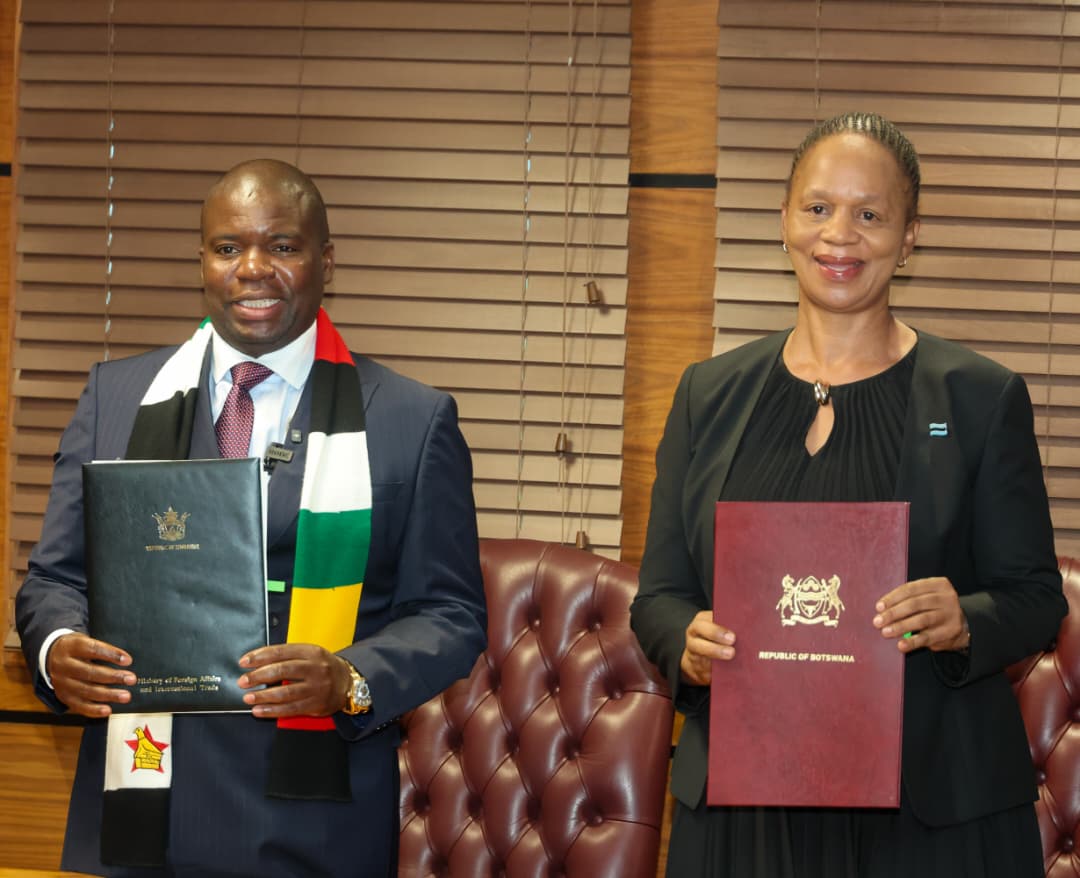
WASTE management company Geo Pomona Waste Management and the Government of Botswana have signed a memorandum of understanding (MoU) to explore cooperation in sustainable waste management, opening a new avenue for regional sharing of expertise and technology.
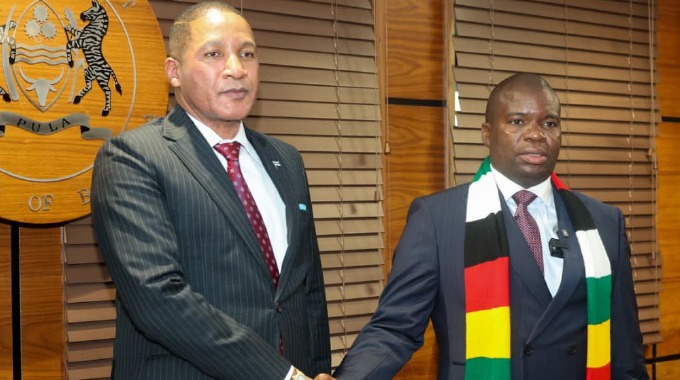
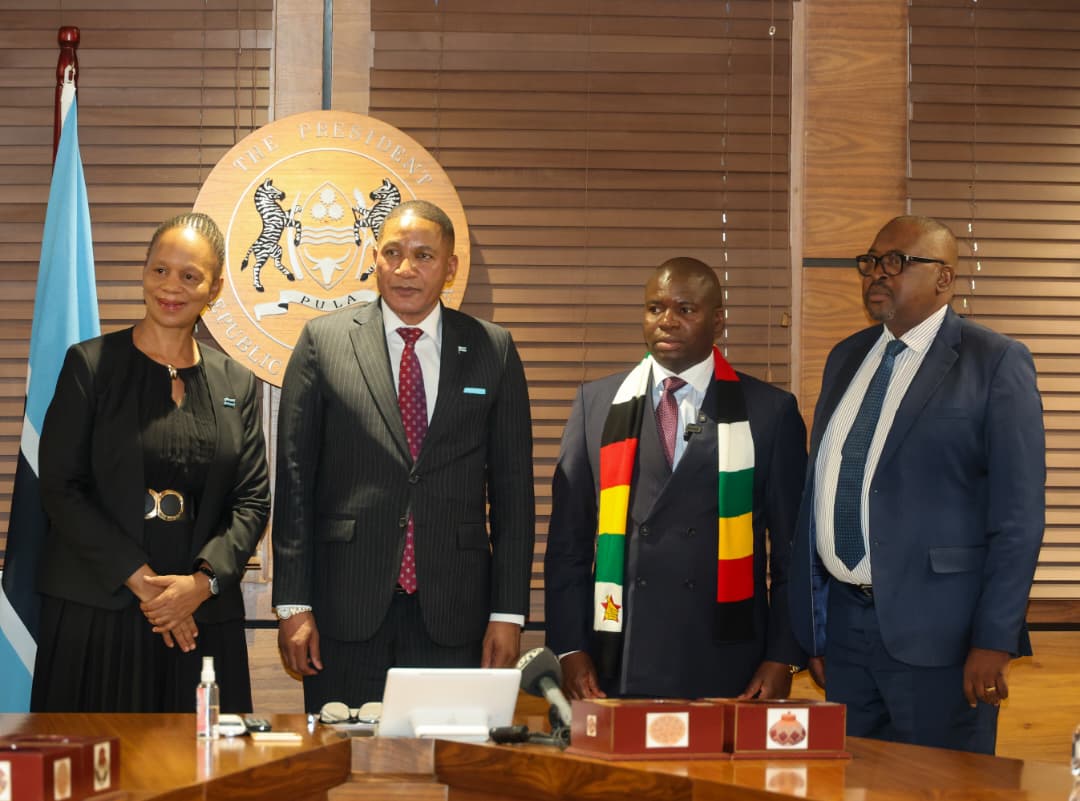
The agreement was signed in Gaborone yesterday in the presence of Botswana President Advocate Duma Boko.
It provides a framework for technical cooperation, knowledge exchange and capacity building as Botswana explores approaches to strengthening its waste management systems.
The MoU was signed by Botswana Deputy Permanent Secretary for Projects Ms Tshepo Kebakile, representing the Government of Botswana, and Geo Pomona executive chairman and chief executive officer Dr Dilesh Nguwaya, who is also President Mnangagwa’s Special Adviser on Waste Management and Environmental Sustainability.
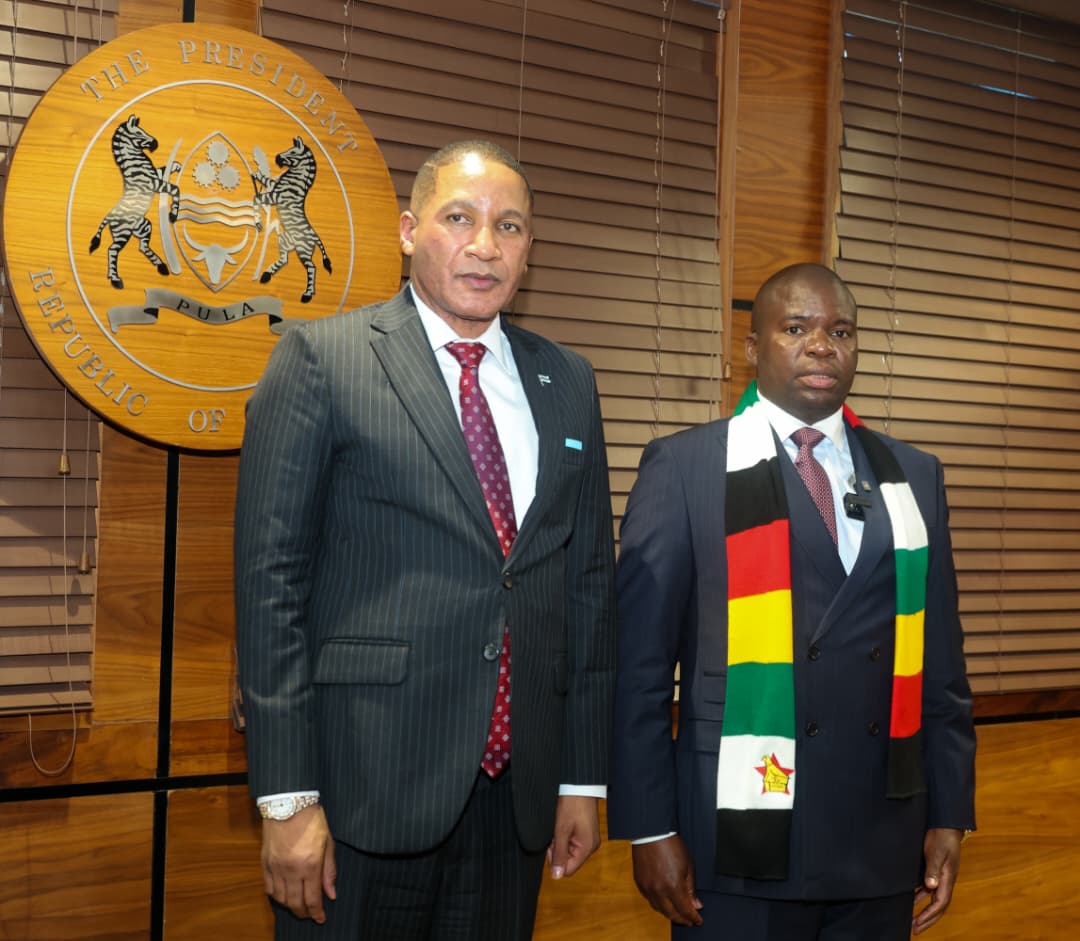
Botswana Minister of Local Government and Traditional Affairs Ketlhalefile Motshegwa was among officials who witnessed the signing.
Geo Pomona said the partnership would draw on its experience in developing, operating and managing integrated waste management systems, including the transformation of Harare’s former Pomona dumpsite.
“President Boko previously visited the Geo Pomona facility in Harare and has spoken positively about its transformation. The MoU will facilitate the exchange of technical information and expertise, capacity-building activities, benchmarking visits and preliminary assessments to determine which approaches could be adapted to Botswana’s local requirements,” said the company.
Dr Nguwaya said the partnership would help strengthen local capacity while facilitating the transfer of practical expertise.
“By combining the leadership of the Government of Botswana with Geo Pomona’s operational experience, we can strengthen local authorities, develop integrated waste systems, transfer practical expertise and build lasting institutional capacity,” he said.
The areas of cooperation include waste collection, treatment, waste recovery and recycling, as well as training and technical studies.
The parties will establish a joint steering committee to oversee the cooperation, while a technical reference group may be constituted to examine areas such as landfill rehabilitation, resource recovery and environmental safeguards.
The agreement provides an opportunity for Zimbabwean expertise and experience to be shared within the region as countries grapple with growing waste management and environmental challenges.
However, Geo Pomona stressed that the MoU does not amount to the award of a waste management project or implementation contract.
“However, the MoU does not constitute the award of a waste management project or implementation contract. Any future projects would be subject to technical studies, relevant approvals, funding arrangements and definitive agreements,” said the company.
The two sides will therefore use the agreement to assess potential areas of cooperation without committing to specific projects, technologies or contractual arrangements at this stage.
The engagement builds on growing regional interest in integrated waste management approaches and positions the transformation of Harare’s Pomona dumpsite as one source of practical experience that can inform cooperation with neighbouring countries.
The signing also comes as governments across the region seek more sustainable approaches to waste collection, disposal, recycling and environmental rehabilitation.