admin
admin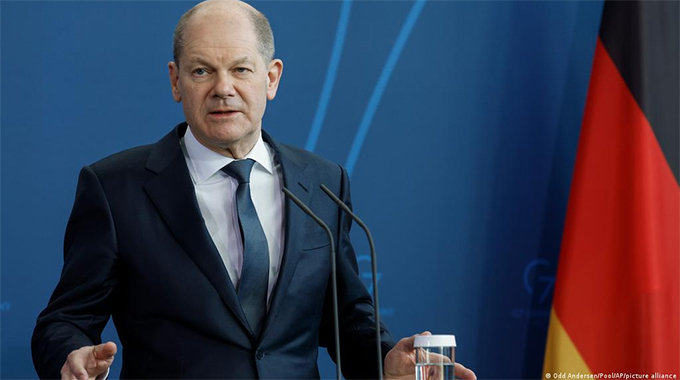
German inflation reached double digits for the first time since the euro was introduced more than 20 years ago, surging more than expected after temporary government-relief measures ended and Europe’s energy crisis worsened.
Consumer prices jumped 10,9 percent from a year ago in September, topping August’s 8,8 percent advance, the Federal Statistics Office said Thursday.
That’s more than the 10,2 percent economists in a Bloomberg survey had estimated.
Analysts increasingly predict a eurozone recession as the cost-of-living crisis bites, with data on Thursday showing confidence plunging to levels last seen during the pandemic.
A spike in inflation was expected as Germany wound down summer discounts on public transport and fuel.
But the scale of the acceleration will trouble the European Central Bank (ECB), which is struggling to tame soaring prices, the persistent ascent of which is set to break another record when data is released.
The German government on Thursday announced it would put a lid on gas prices, a move that could tame inflation readings ahead. Chancellor Olaf Scholz’s administration will borrow at least €150 billion for the initiative, according to people familiar with the matter.
Germany’s inflation number raises the risk of an overshoot to the 9,7 percent median estimate for the eurozone in a Bloomberg survey of economists — despite Spain surprising earlier on Thursday by reporting a steeper-than-expected September slowdown.
Either way, ECB officials are already lining up another hefty boost to interest rates following a historic 75 basis point hike in September that mirrored action by the Federal Reserve. – Bloomberg



 Online Reporter