

 dyton mupawaenda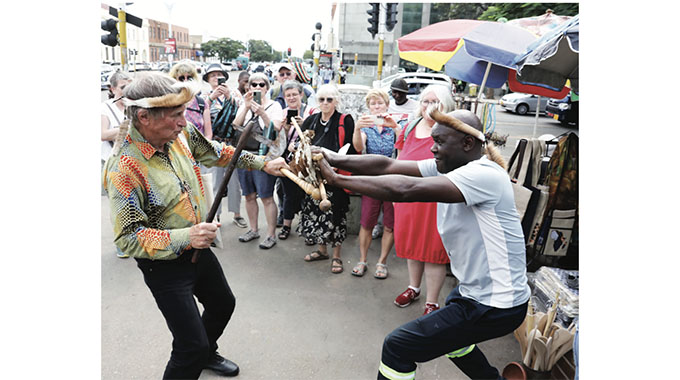
Michelle Moyo-Bulawayo Bureau
A GROUP of German tourists has expressed an interest in exploring intercultural and tourism partner- ships with Bulawayo, Zimbabwe’s second-largest city, which is a vibrant cultural hub with a rich history and an array of attractions.
The move is part of an effort to strengthen bilateral relations between the two countries, with Bulawayo remaining a favourable and safe tour- ism destination that boasts a range of untapped attractions and unique offer- ings. By promoting cultural tourism, Bulawayo can preserve its cultural heritage, boost its economy, and share its unique culture with the world.
Known as the “City of Kings,” Bulawayo offers immense potential for cultural tourism as it is steeped in history. It was once the capital of the Ndebele Kingdom and has played a significant role in Zimbabwe’s journey to independence. The city is home to numerous historical sites, including the Natural History Museum, the National Gallery of Zimbabwe in Bulawayo, the Railway Museum, and the Khami Ruins and Matobo National Park, both Unesco World Heritage Sites.
Umguza Nature Reserve, Tshabalala Sanctuary, Silwane Nature Reserve and Chipangali Wildlife Sanctuary are also located in the vicinity of the city, while Makokoba Township is also a place to go for visitors who want a feel of township tourism.
Bulawayo mayor, Councillor David Coltart, said that the partnership with Germany should continue to allow the city to overcome water challenges.
Tourism remains a low-hanging fruit with the potential to generate foreign currency and create employment in the country.
Addressing the 15 German tourists yesterday, Cllr Coltart said Bulawayo and surrounding areas have vast heritage sites to tour.
“We have the National Art Gallery, which is one of the best museums in Southern Africa. We hope in the future to continue with great future heights of cooperation between the two nations,” he said.
The Zimbabwe German Society project coordinator, Reverend Kerstin Hemker, said the idea of returning to Zimbabwe is to further explore the untapped natural wonders and forge partnerships.
“The country has cultural tourism places which essentially motivates us to learn more, especially in Matabeleland. We have toured almost the whole of the region in discovering, experiencing and consuming the tangible and intangible cultural attractions/products in a tourist destination.


 Online Reporter