

 Online Reporter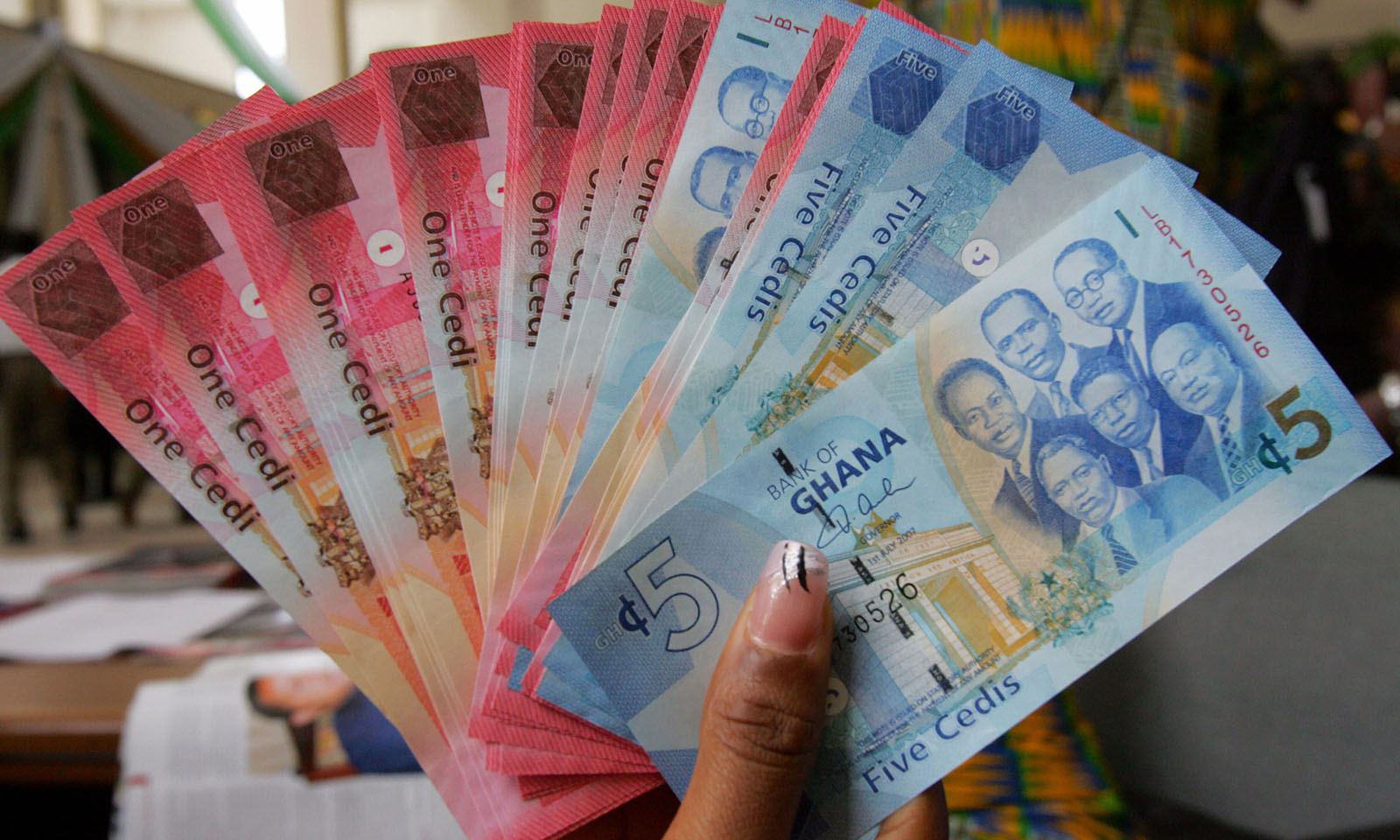
Ghana, in its last fiscal month, experienced some economic relief thanks to its growing currency strength.
The Ghanaian Cedi in the period under review aided in lowering importation costs.
Ghana’s currency, the Cedi, strengthened in April, reducing import costs and aiding economic relief.
Inflation dropped for the fourth consecutive month, with April’s consumer price index at 21,2 percent, down from 22,4 percent in March.
Non-food price inflation slowed to 17.9 percent in April, aligning with the overall decrease in import expenses.
The decline in import expenses brought down the country’s consumer price index in April to 21,2 percent, compared to 22,4 percent the month before, making it the fourth consecutive month Ghana’s inflation is dropping.
Government Statistician Alhassan Iddrisu made this known to reporters in the capital, Accra, yesterday.
He noted that, rise in non-food prices slowed to 17,9 percent in April from 18,7 percent in March, as import costs fell.
This drop in inflation is following a pattern that has been persistent since the current president, John Mahama assumed office.
In March, inflation figures dropped to 22,4 percent from 23,1 percent in February, as per data from the Ghana Statistical Service (GSS).
Then the decline in inflation came shortly after the Bank of Ghana (BoG) made an unexpected decision to raise its benchmark interest rate by 100 basis points to 28 percent.
However, for April, reports indicate that the country’s impressive currency performance is primarily the reason for the inflation decline.
In April the Tunisian Dinar, Moroccan Dirham, Seychellois Rupee, and Ghanaian Cedi, posted stronger values than the month prior. — Business Insider Africa.



