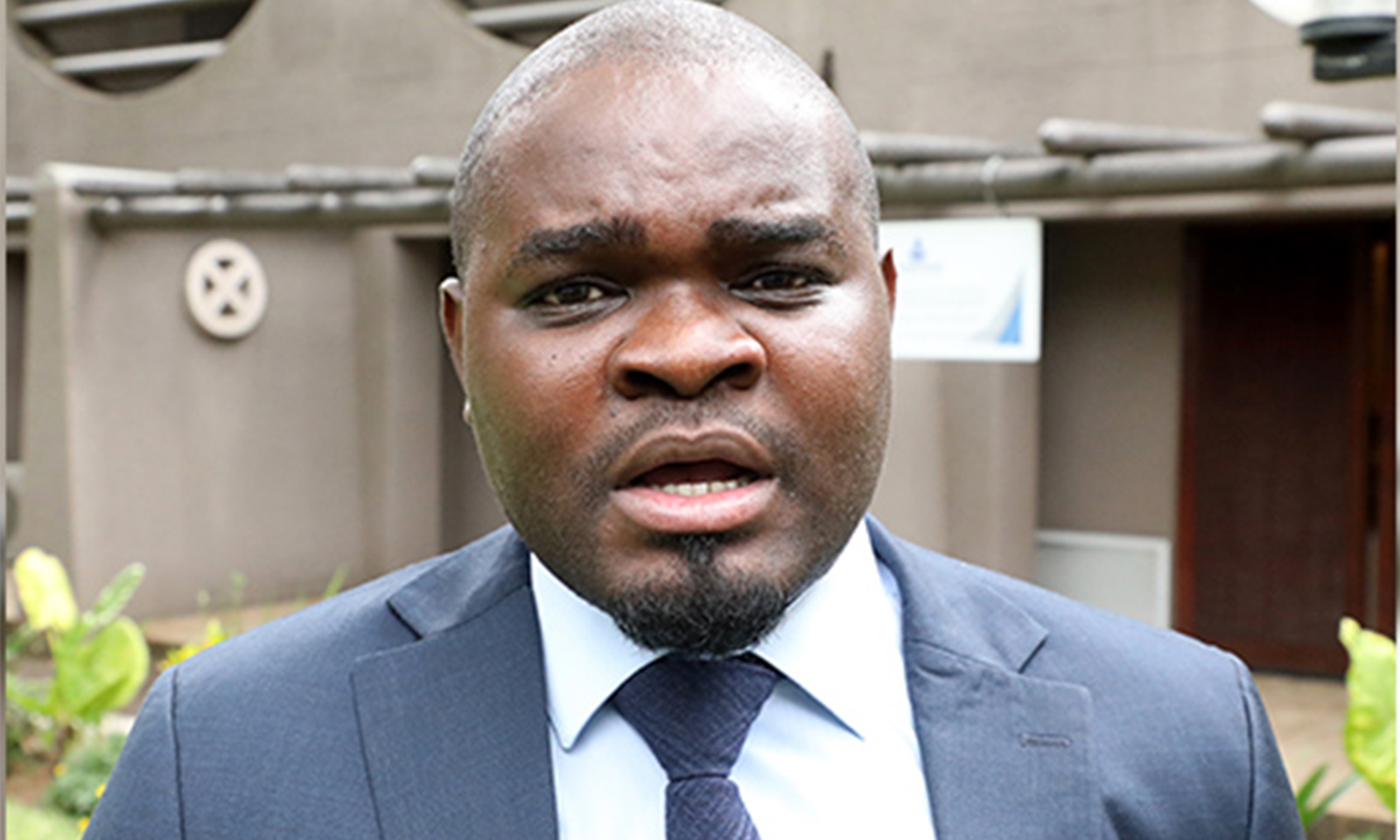
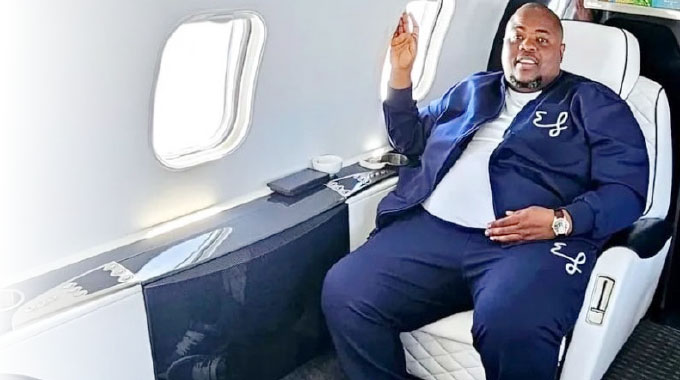
Ivan Zhakata and Emmanuel Kafe
CheckPoint Desk
FOR more than a decade, Zimbabwe’s popular culture has been fascinated by flamboyant businessmen who transformed extraordinary wealth into highly visible lifestyles of luxury cars, palatial homes, designer fashion, private entertainment and extravagant spending.
Two names stand out in that story: The late Genius “Ginimbi” Kadungure and Wicknell Munodaani Chivayo, popularly known as “Sir Wicknell”.
Although their fortunes were built and displayed in different eras, both men became synonymous with conspicuous wealth and turned their lifestyles into powerful public brands — before both died unexpectedly at relatively young ages.

Ginimbi, who died aged 36 in November 2020, built his reputation around the nightlife, entertainment and luxury lifestyle scene.
Chivayo, who died aged 43 in a helicopter crash on September 30, 2026, became known not only for his business interests, but also for his enormous displays of wealth and highly publicised philanthropy.
Their deaths have consequently revived comparisons between two men who, at different points, represented the Zimbabwean version of the ultra-luxury lifestyle.
Ginimbi: the flamboyant socialite
Ginimbi’s public image was inseparable from his cars, fashion, parties and Domboshava lifestyle.
He was frequently seen behind the wheel of expensive vehicles, with the Rolls-Royce Wraith becoming one of the strongest symbols of his wealth.
It was that very vehicle that became part of the tragic final chapter of his life.
On November 8, 2020, Ginimbi died in a horrific road accident along Borrowdale Road in Harare after the Rolls-Royce he was driving collided with a Honda Fit.
Three other people — Michelle Amuli, Limumba Karim and Alichia Adams — also died.
His lifestyle had been built around living large.
Ginimbi owned Dreams Nightlife Club and became famous for lavish parties, particularly his all-white events, which attracted celebrities, socialites and businesspeople.
His palatial Domboshava property was perhaps the ultimate expression of that lifestyle.
The mansion was not simply a home.
It became part of his identity and eventually became his final resting place.
Thousands of mourners travelled to Domboshava for his burial, turning the normally quiet area into a gathering of expensive vehicles and prominent personalities.
Reports at the time described the mansion as palatial, while his collection of luxury cars, designer clothing and other possessions became a major talking point following his death.
Ginimbi’s spending was therefore heavily associated with personal enjoyment — cars, parties, fashion, entertainment and the creation of an extravagant social persona.
Sir Wicknell: when luxury became philanthropy
Chivayo took conspicuous consumption to another level by combining personal luxury with highly publicised giving.
Where Ginimbi became famous for displaying wealth through his social life, Chivayo became equally famous for displaying wealth by giving it away.
Luxury vehicles became a central feature of his public image.
His collection included Rolls-Royce Cullinans, Rolls-Royce Ghosts, Rolls-Royce Phantoms and a Rolls-Royce Spectre, alongside Mercedes-Benz Maybachs, a Mercedes-AMG G63 Brabus, Bentley Bentayga and Lamborghini Urus vehicles.
In 2024, Chivayo spent about US$1.9 million on vehicles in one week, including four Rolls-Royces, a Mercedes-Benz Maybach and a Range Rover.
At the time, individual vehicles attributed to him included a Rolls-Royce Cullinan valued at about US$850 000, a Range Rover estimated at US$450 000 and a Mercedes-Maybach GLS600 estimated at US$400 000.
But Chivayo’s most remarkable spending was not necessarily on vehicles he kept.
He became known for buying vehicles for other people.
Musicians, church leaders, sports personalities, acquaintances and people he encountered through social media were among beneficiaries of his generosity.
In 2024 alone, Chivayo gave numerous gifts including a Mercedes-Benz S500 for Jah Prayzah, a Mercedes-Benz GLE300 for Suluman Chimbetu and a Mercedes-Benz GLE400d for Sandra Ndebele, alongside numerous other vehicles and cash gifts.
His giving continued on a much larger scale.
In September 2026, Chivayo pledged US$50 000 each to 40 families of fallen Zimbabwean national heroes — a total of US$2 million — while also announcing other gifts to religious figures and church members.
His final days were consistent with that public persona.
On the day of his death, reports said he had posted photographs of luxury vehicles he was gifting to two lawyers, together with US$750 000 in cash.
Cars: Ginimbi’s toys versus Chivayo’s fleet
The difference between the two men can perhaps best be seen through their cars.
For Ginimbi, luxury cars were largely a representation of personal status and lifestyle.
For Chivayo, cars became both status symbols and instruments of philanthropy.
Ginimbi’s Rolls-Royce Wraith represented the high-speed, high-fashion world in which he lived.
Chivayo’s Rolls-Royces represented something broader — a personal collection that included multiple ultra-luxury models, but also a source from which he could distribute vehicles worth tens or hundreds of thousands of dollars to other people.
This created an unusual spectacle in the country: a businessman who could announce on social media that somebody should go to a dealership and collect a brand-new luxury vehicle that had already been paid for.
The mansions
The two men also invested heavily in the physical manifestation of wealth.
Ginimbi’s Domboshava mansion became one of the most recognisable private properties associated with a Zimbabwean socialite. It was the setting for parties, gatherings and eventually his burial.
Chivayo, meanwhile, was associated with lavish residences and was in the process of developing an imposing property in his rural home area around Gandami.
Reports said he had been at the property before departing on the helicopter flight that ended in tragedy.
In both cases, the mansion represented more than shelter.
It was a statement.
The properties helped create the image of men who had moved beyond ordinary measures of success and were determined to live visibly and unapologetically.
The fashion and lifestyle competition
Ginimbi’s image was strongly connected to designer clothes, luxury accessories, expensive parties and celebrity culture.
Chivayo adopted a similarly conspicuous approach, frequently appearing in designer clothing, luxury footwear and expensive watches.
The latter’s social-media pages regularly featured his cars, private aviation, hotels, designer goods and meetings with prominent political and religious figures.
In one widely reported post, Chivayo joked about the difficulty of choosing between Louis Vuitton and Salvatore Ferragamo shoes.
His lifestyle had effectively become a media product.
Private aviation and the ultimate VIP image
Chivayo also went beyond the traditional luxury-car culture associated with Zimbabwean tycoons.
Private aviation became part of his public persona.
He was photographed around helicopters and private aircraft, while in August 2026 Kenyan President William Ruto was filmed personally driving Chivayo towards his helicopter after an engagement ceremony involving the President’s daughter. Chivayo described the experience as one of the most extraordinary moments of his life.
That episode illustrated how far his public profile had evolved.
Ginimbi’s world revolves largely around Zimbabwe’s entertainment and social scene.
Chivayo’s world increasingly stretched across borders, with photographs and meetings involving several African presidents and other influential figures.
Two fortunes, two approaches to spending
The most important difference between the two men was therefore not simply the amount of money they displayed, but what they did with it.
Ginimbi largely spent his wealth creating and maintaining a lifestyle around himself.
Cars, nightlife, fashion, parties, property and social status were central to his public identity.
Chivayo, by contrast, turned his wealth into a combination of luxury consumption and conspicuous philanthropy.
He could spend millions on his own vehicles while simultaneously purchasing cars for musicians, pastors, church members and other beneficiaries.
He donated vehicles, ambulances and cash, including gifts to President Emmerson Mnangagwa and others.
He once donated 10 Toyota Land Cruisers and ambulances to President Mnangagwa around the President’s birthday.
That does not mean their sources of wealth or business histories were identical.
Ginimbi’s business activities and source of wealth were the subject of considerable speculation and controversy during his lifetime, including reports concerning tax issues.
Chivayo, meanwhile, built his business profile around Intratrek Zimbabwe and major energy and construction projects.
His business dealings, particularly surrounding the Gwanda Solar Project, attracted controversy and legal scrutiny, although criminal proceedings against him ultimately ended in acquittal.
The irony of their final journeys
Perhaps the most striking similarity is how abruptly the two lifestyles ended.
Ginimbi died while driving the very type of luxury vehicle that had become synonymous with his identity.
Chivayo died while travelling in a helicopter, another symbol of the extraordinary lifestyle he had built.
Ginimbi’s Rolls-Royce became wreckage on Borrowdale Road.
Six years later, Chivayo’s helicopter came down in rural Marondera, killing him, his wife Lucy Muteke, her aide and two pilots.
President Mnangagwa subsequently confirmed Chivayo’s death. Investigations into the helicopter crash are continuing.
Both men therefore left behind an uncomfortable reminder about extreme wealth, cars remain parked, mansions remain standing and designer clothes remain in wardrobes.
Businesses, properties and other assets can be inherited or transferred but the men who built the lifestyles are gone.
For all the Rolls-Royces, mansions, designer clothes, helicopters and millions of dollars spent, neither man could buy more time.
And in death, their lives have become part of a larger Zimbabwean conversation about money, success, consumption, philanthropy, influence and the fleeting nature of material wealth.