Nqobile Bhebhe [email protected]
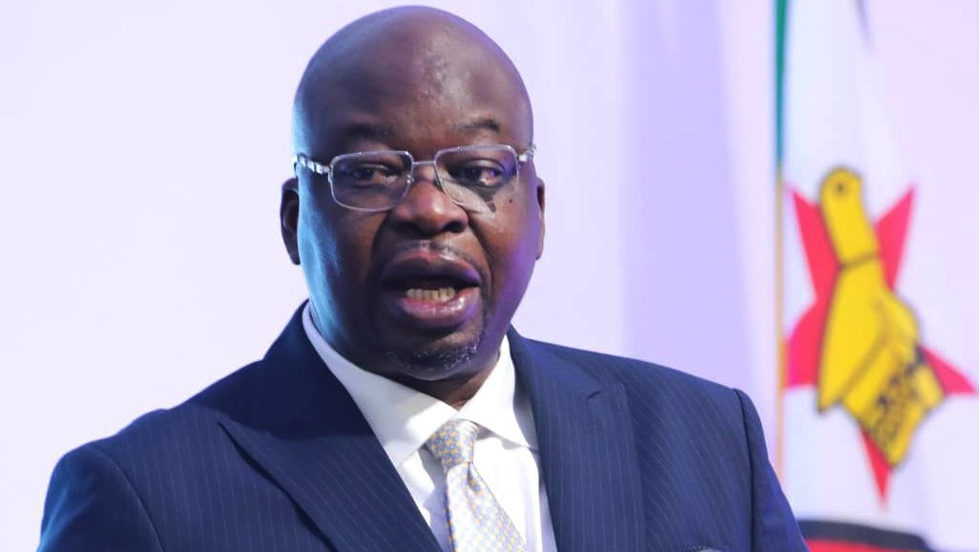
ZIMBABWE’S economic recovery and improving macroeconomic stability have received a positive reception from global financial institutions, with Finance Minister Professor Mthuli Ncube saying the country is making progress in consolidating growth.
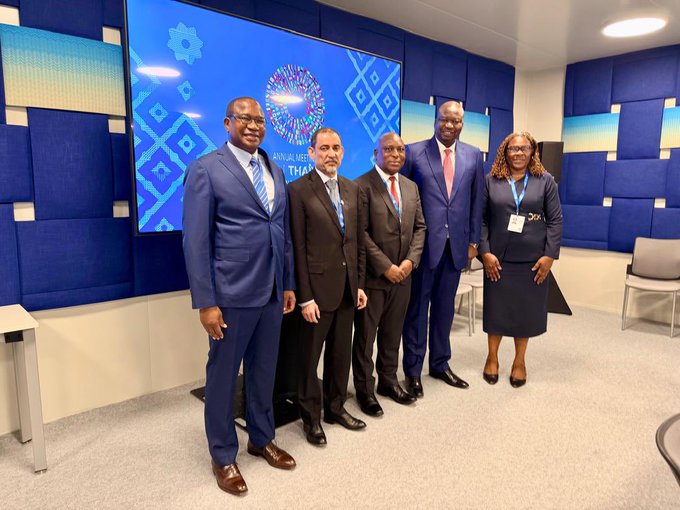
Prof Ncube, who is leading a high-level Zimbabwean delegation to the 2026 IMF/World Bank Annual Meetings in Bangkok, Thailand, said engagements with senior officials from the International Monetary Fund (IMF), World Bank and International Finance Corporation (IFC) had provided an opportunity to outline the country’s economic performance and policy direction.
“General, there was a positive and congratulatory mood for Zimbabwe in-terms of economic performance and progress made so far,” he said during a online update to journalists.
The positive reception comes as Zimbabwe seeks to sustain its recovery through fiscal discipline, prudent monetary policies and improved coordination between the two, while strengthening engagement with international financial institutions.
“So our recovery, growth recovery is robust and the economy is doing well.”
Prof Ncube said macroeconomic stability was improving the operating environment for businesses, enabling companies to plan investments and meet tax obligations more consistently.
He said, “Companies are finding it easier to plan, to invest, even to pay their taxes.
“Where they would pay government last, now they are able to pay government on time. So even our tax revenues are responding positively.”
The minister Government expected to end the year with a positive fiscal balance, while continuing to service its debts and build a buffer against potential economic shocks.
“So as I speak, we expect to end the year with a positive balance, But of course, as you know, we have got debts to pay, so we have to clear some debts.
“But we are trying hard to even build a buffer that will help us to deal with the middle shock into next year,” he said.
On monetary policy, Prof Ncube said authorities were maintaining positive real interest rates, conducting open market operations and sustaining exchange-rate stability.
“We introduce open market operations. The exchange rate is stable. The exchange rate premium between the parallel official rate is now 15%,” he said.
The meetings also provided a platform for Zimbabwe to push for increased international financing for infrastructure development and climate resilience, particularly access to affordable, long-term capital.
“We were able to really say that we need the IMF to double down on supporting African countries on various funding needs to deal with climate shocks, to deal with resilience, but also to have access to cheaper capital, longer-term capital, to finance infrastructure,” Prof Ncube said.
The delegation held engagements with senior IMF and World Bank officials, including IMF Deputy Managing Director Nigel Clarke and IFC Managing Director Makhtar Diop.
The discussions come as Zimbabwe pursues debt resolution and arrears clearance to restore access to international financing and support investment-led growth.
Sustaining the recovery will depend on maintaining policy discipline, managing debt obligations and strengthening resilience against climate and external shocks.