Eliah Saushoma
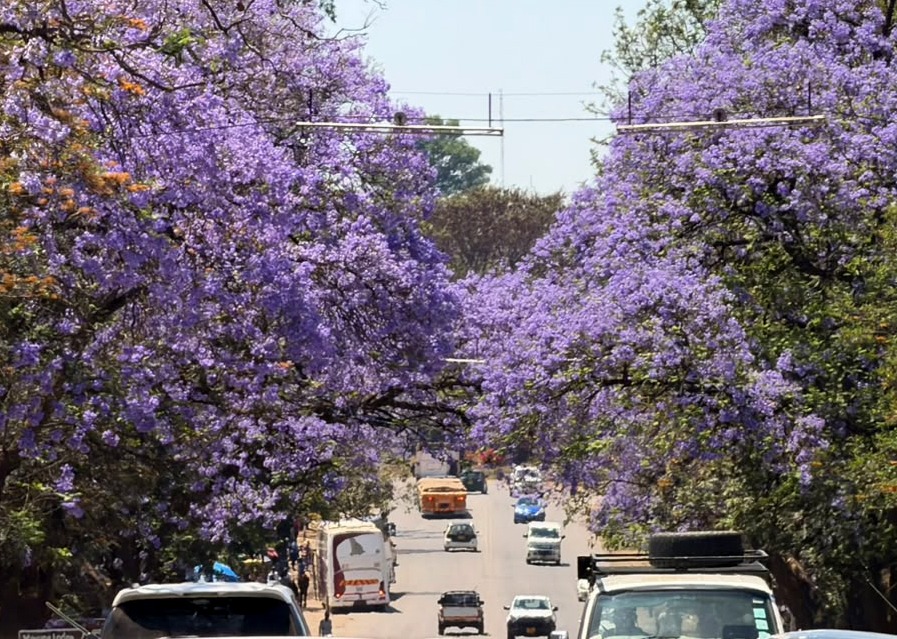
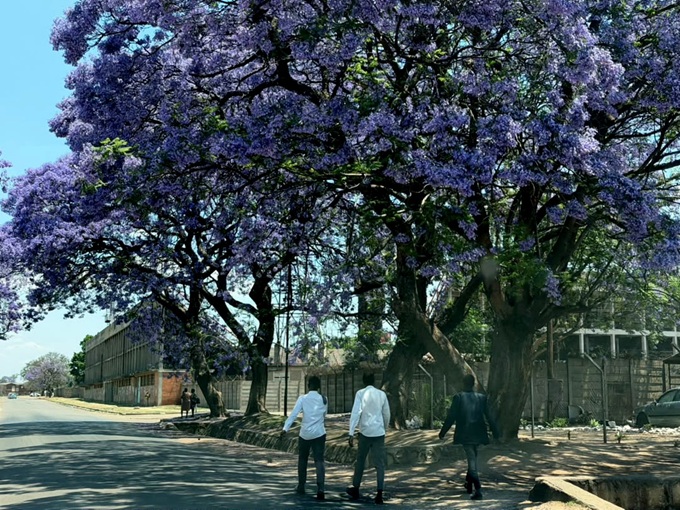
Every spring, between late September and November, Bulawayo bursts into a spectacular display of violet and lilac as jacaranda trees transform the City of Kings and Queens into a living canvas of colour.
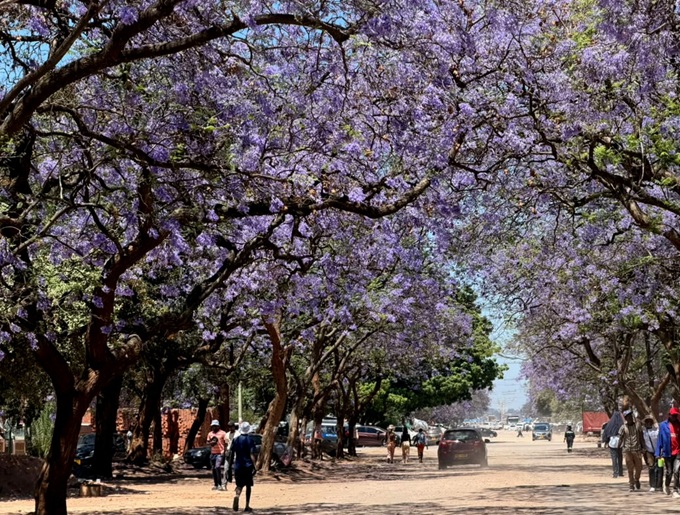
Across established suburbs, their flowering branches arch over roads and pavements, casting dappled shadows on passing pedestrians and motorists. Fallen blossoms blanket the ground in purple, turning ordinary streets into picturesque corridors that capture the beauty of the changing season.
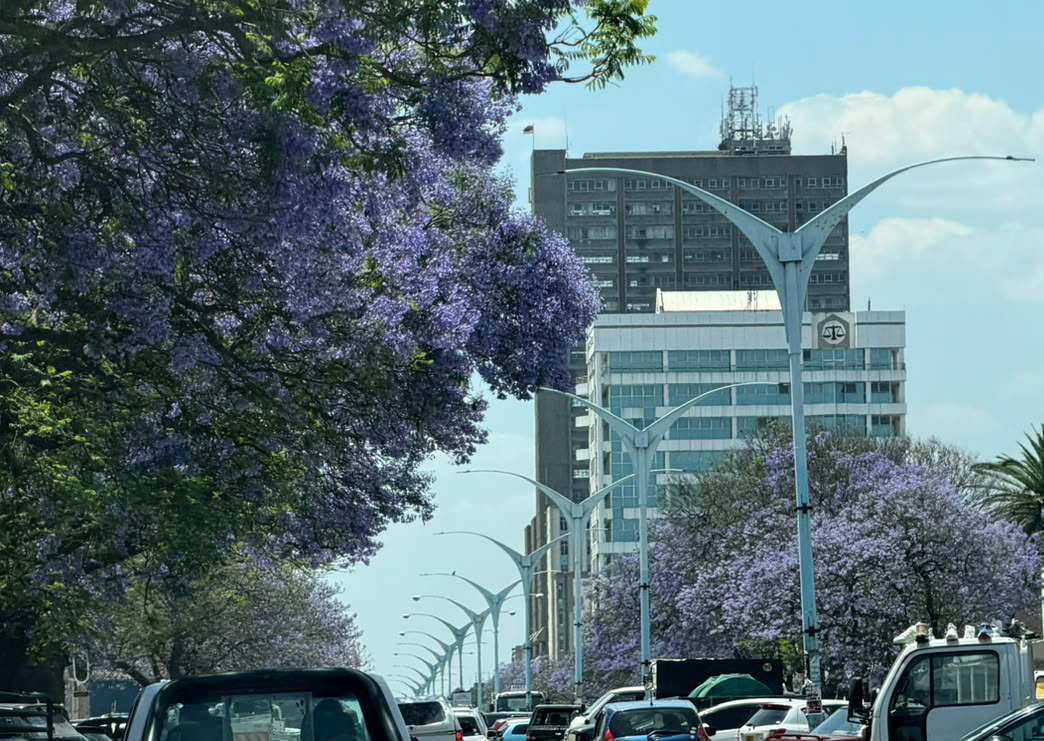
Yet beneath this annual spectacle lies a deeper story. Beyond their ornamental appeal, Bulawayo’s jacarandas form part of an urban green canopy that offers shade, moderates local temperatures and contributes to a healthier environment at a time when cities face mounting pressure from rising heat and climate change.
As the spring sun intensifies, mature jacarandas provide welcome relief from the heat radiating from asphalt roads, concrete pavements and buildings. Their spreading canopies shield pedestrians from direct sunlight, while the release of water vapour through evapotranspiration helps cool the surrounding air.
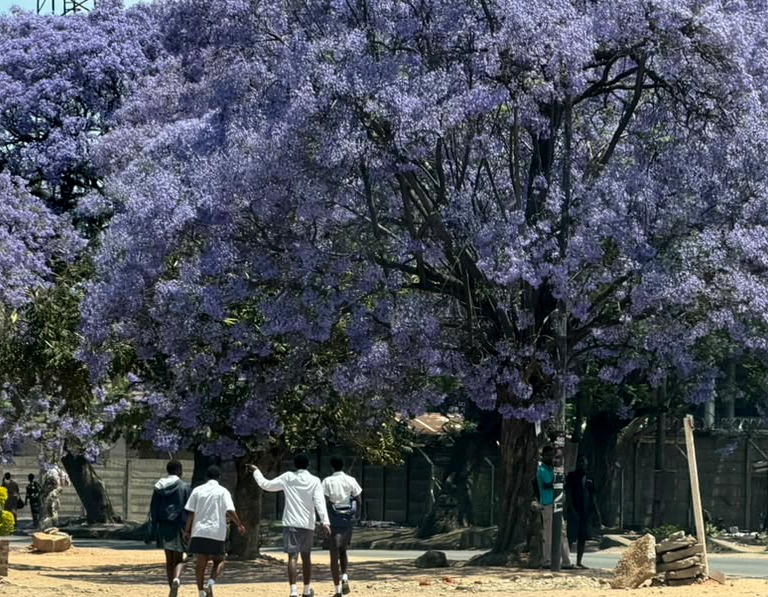
For street vendors, outdoor workers and residents navigating the city on foot, these leafy corridors offer more than an attractive backdrop. They create pockets of shade and comfort in an urban environment where temperatures can rise sharply during the hot, dry months.
Native to South America, the jacaranda (Jacaranda mimosifolia) has become an enduring feature of Zimbabwe’s urban landscape. In Bulawayo, its seasonal flowering is woven into the rhythm of city life. For generations of students, the purple bloom has signalled the approach of examinations, while for many residents, it remains a cherished reminder of spring.
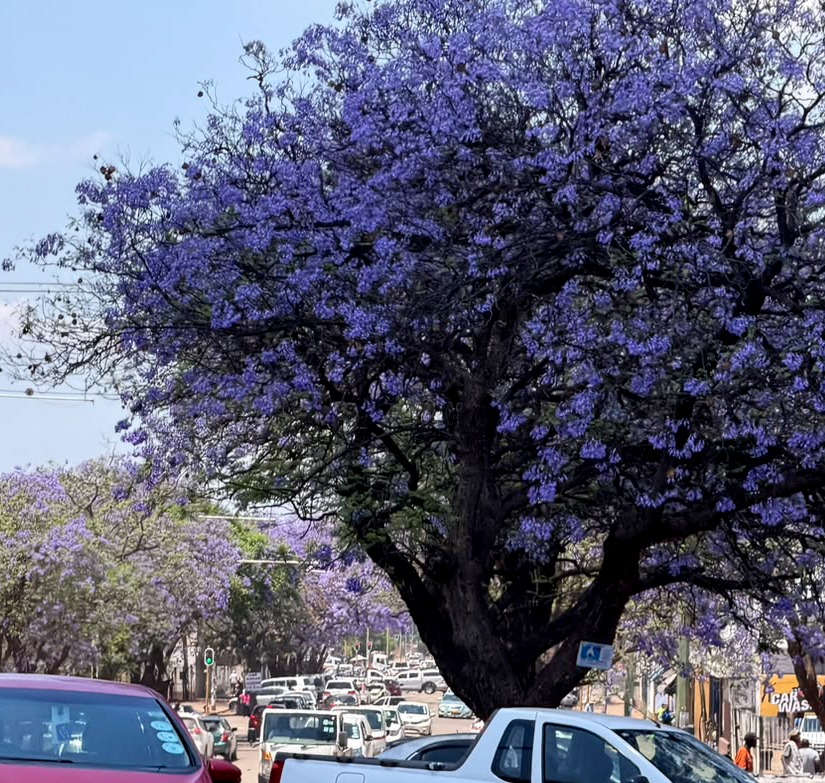
The environmental value of Bulawayo’s jacarandas extends well beyond their flowering season.
Urban tree cover also slow stormwater runoff, easing pressure on drainage systems during periods of heavy rainfall. Together, these benefits make trees an important component of sustainable urban planning.
While jacarandas alone cannot reverse climate change or eliminate urban heat, they contribute to a broader green infrastructure that can help cities adapt to rising temperatures and changing weather patterns.
Despite their beauty and environmental value, mature trees face growing pressures from ageing, water stress and urban development. Changes in temperature and rainfall patterns may also influence flowering and tree health, although the effects vary with local conditions.
Safeguarding Bulawayo’s urban canopy therefore requires deliberate action. Existing trees need responsible maintenance and protection from unnecessary removal, while those lost to disease, age or development should be replaced wherever appropriate.
Expanding the city’s green spaces with a diverse selection of suitable indigenous and drought-tolerant tree species would further strengthen urban resilience, support biodiversity and reduce dependence on a single species.
The jacaranda bloom may last only a few weeks, but the trees’ contribution to the city endures throughout the year. Their branches frame Bulawayo’s streets, their canopies temper the heat, and their presence enriches the urban environment.
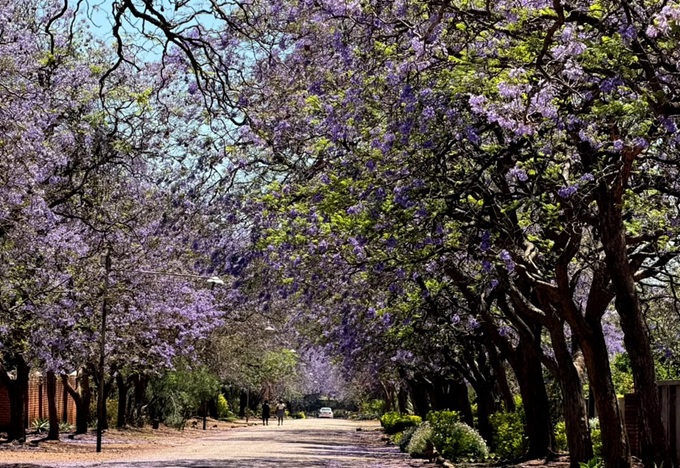
As the City of Kings and Queens basks in its annual purple splendour, the challenge is to look beyond the beauty of the blossoms and recognise the living infrastructure that sustains it.
Protecting this canopy of hope is a shared responsibility — one that demands thoughtful planning, responsible development and a lasting commitment to urban greening.
For Bulawayo, the true legacy of the jacaranda season will not be measured by the beauty of its purple streets alone, but by whether future generations inherit a city that is greener, cooler and more resilient to the changing climate.