Online Reporter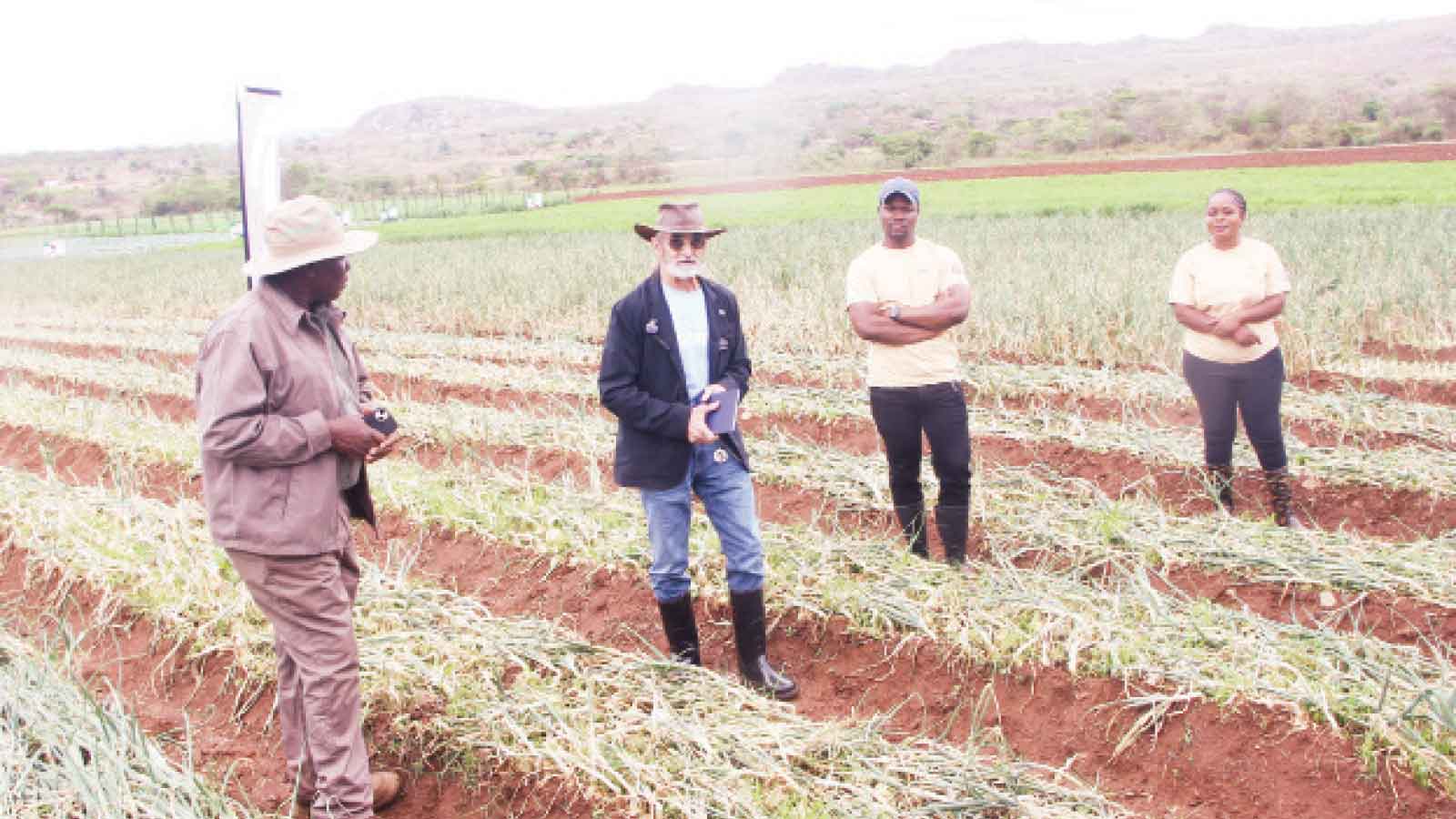
Sharon Jiyamwa and Doris Mpala
ZIMBABWEAN horticulture farmers have been urged to adopt good agronomic practices and international food safety standards to unlock lucrative export markets, particularly in the United States and Europe.
Speaking at the Arcturus winter field day in Goromonzi yesterday, Assistant Director at Purdue University, West Lafayette, Professor Gary Burniske, said farmers could position themselves for export by adhering to proper agrochemical use, maintaining production records and ensuring their produce met international safety requirements.
He said the Foreign Supplier Verification Programme provided an avenue through which Zimbabwean producers could connect with United States businesses and supply produce to the American market.
“From the fields, it needs to be transported and then sorted. We talked about the different sizes and quality, and then you can have, for example, the quality that’s not the highest for export, that can go to local markets, but your premium crops, you want to go to the lucrative ones that are going to pay a lot more money,” Prof Burniske said.
He said smallholder farmers had an advantage as some processes were streamlined for smaller producers, adding that compliance began at farm level through the adoption of good agronomic practices.
Prof Burniske also urged farmers to observe agrochemical application recommendations, keep records of when chemicals were applied and follow instructions on product labels.
“If you follow those regulations, if you follow good, judicious use of agrochemicals to your crops, in the end, you will be producing crops ready for export,” he said.
He said farmers could organise themselves through associations or cooperatives, or work with exporters and packing houses to facilitate the movement of their produce into international markets.
Farmers at the field day were exposed to a range of crops, including cabbages, cauliflower, broccoli, leafy vegetables, carrots and onions, with different maturity periods allowing them to stagger harvesting and improve cash flow.
Seed Co agronomist and public relations manager Mrs Wendy Madzura said horticulture provided farmers with opportunities to diversify production, improve profitability and reduce spreading risks associated with climate change.
“Every square metre should produce something. You should look at yield per unit area versus yield that you’re getting on a large space,” Mrs Madzura said.
She said hybrid seed varieties could offer greater consistency in crop size and quality, while also helping farmers manage disease pressure and improve shelf life.
Mrs Madzura also encouraged farmers to explore niche markets, citing red onions as an example of a crop with potential due to limited availability on the local market.
She said farmers should also pay attention to spacing, planting dates, fertiliser and herbicide application, as well as plant populations and seeding rates when planning for profitability.
The field day also focused on climate change, with Mrs Madzura encouraging farmers to diversify their crops to reduce the risks posed by changing rainfall patterns and prolonged dry spells.
She said horticultural crops generally had shorter maturity periods than some traditional field crops, allowing farmers to harvest and generate income within shorter periods.
“If a farmer grows a mix of crops having a plot for cabbages, a plot for tomatoes, and a plot for various leafy greens, it helps because even during dry spells, some crops aren’t at their critical growth or fruiting stage yet,” she said.
Mrs Madzura said crop rotation could also help farmers manage pests and diseases by breaking their life cycles.
The field day brought together farmers and stakeholders across the horticulture value chain, including seed producers, fertiliser and agrochemical suppliers, machinery providers, nurseries and market players.