Vusumuzi Dube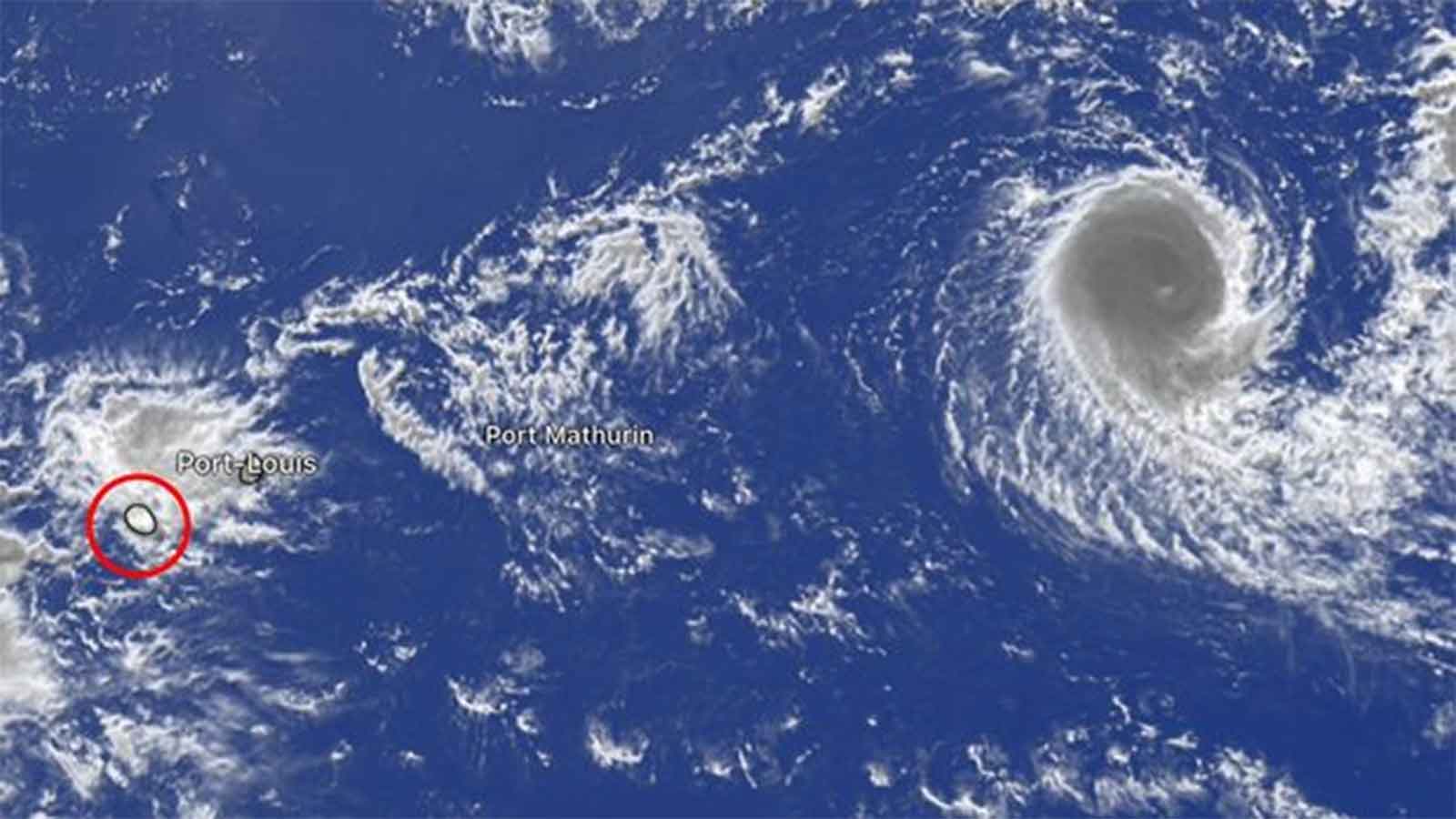
Theseus Shambare, Harare Bureau
THE Government has released emergency funds in hard currency to districts across the country to strengthen preparedness and response ahead of anticipated flooding during the peak cyclone season.
The country is expected to continue experiencing peak rainfall conditions until the weekend, raising risk of flooding in several areas.
Prior to the onset of the 2025–26 summer cropping season, meteorological services organisations, including the Meteorological Services Department (MSD), forecast that the South-West Indian Ocean would experience more than nine cyclones.
To date, seven systems have already been recorded, including five named storms — Awo, Blossom, Chenge, Grant and Dudzai.
Cyclone Chenge, which formed in October last year, affected Tanzania and Kenya, while Cyclone Grant, active between December 2025 and January 2026, impacted Madagascar before its remnants moved towards the mainland.
Cyclone Dudzai, which reached intense status earlier this month, did not pose a direct threat to Zimbabwe, according to the MSD.
While the rains have brought much-needed relief following recurring droughts — with the recent El Niño-induced drought being the worst in more than four decades — they have also heightened risks to communities, livestock and crops, particularly in flood-prone areas.
This has prompted the Government to act swiftly.
In an interview, the Chief Director of the Department of Civil Protection, Mr Nathan Nkomo, said the funds, “allocated in substantial United States dollars and already transferred into a nostro account,” are being disbursed to vulnerable districts to enable early action and rapid response in the event of disasters.
“We are now in the peak cyclone period, from January to March and we are fully prepared for any eventuality.
“For the first time, we have received adequate resources in USD specifically meant for distressed districts and the money is already being disbursed on the ground,” Mr Nkomo said.
He said Zimbabwe had strengthened its disaster preparedness and response systems after lessons learnt from Cyclone Idai, which caused widespread destruction and loss of life, particularly in the eastern parts of the country.
Mr Nkomo said improved early warning systems, including impact-based forecasting, were now enabling authorities to anticipate not only weather patterns, but also their likely effects on people, infrastructure and livelihoods.
“The shift is from simply saying what the weather will be, to explaining what the weather will do.
“This allows communities and authorities to take early, informed action,” he said.
Recent heavy rains in neighbouring Mozambique have also resulted in increased water inflows into parts of southern Zimbabwe, notably Chiredzi, Mwenezi, Chivi and Masvingo, where several dams are reported to be spilling.
Mr Nkomo warned that downstream communities could be affected should the Zimbabwe National Water Authority open floodgates to manage rising water levels, urging residents in low-lying areas to remain vigilant.
The Department of Civil Protection has so far recorded 78 deaths nationwide this season due to hydro-meteorological hazards, including 15 artisanal miners who were swept away after being lured by gold deposits exposed along flooded riverbeds.
Mr Nkomo said the Government was working closely with traditional leaders, local authorities and field personnel to intensify public awareness campaigns and ensure communities heed safety advisories.
“We continue to appeal to citizens to take heed of official warnings and prioritise safety. “Protecting lives remains our top priority,” he said.
In Mashonaland Central, rain continued unabated for much of yesterday in Bindura and surrounding areas.
The Provincial Civil Protection Committee was placed on high alert in flood-prone districts including Mbire, Muzarabani and Rushinga.
In Manicaland Province, 10 villagers were marooned on an island on the Save River in Mahenye Village, Ward 23, Chipinge District, yesterday.
Rescue efforts were underway for much of yesterday to evacuate them.
The river, which is the largest inland water course, continues to swell.
Chipinge District Development Coordinator (DDC), Mr William Mashava, who chairs the district civil protection committee (DCPC), said Government agencies and private experts have been deployed to rescue the marooned villagers.
“Yes, we have 10 villagers who have been marooned for the past four days at Lisungwe Island, which is on the Save River. Those villagers carry out farming and fishing activities on that island. Last year, we had the same challenges as our calls for them not to farm on that piece of land fell on deaf ears.
“We have since engaged the Zimbabwe National Army, Zimbabwe Republic Police Sub Aqua Unit and private players with engine-powered boats to assist us with the evacuation exercise. We continue to urge citizens to adhere to advice from authorities,” said Mr Mashava.
In Mutare rural, heavy rains are threatening to destroy some poorly maintained inland dams, with
Chikundu Dam in Village R, Ward 4, Odzi, being a pressing example.
The dam’s downstream face wall is showing signs of collapse.
The district Civil Protection Committee visited the dam and observed that the weakening of the embankment is due to poor maintenance of the downstream face and vehicles using the embankment as a road, causing vibration.
The committee recommended immediate clearance of the downstream face, stopping traffic on the dam wall, and clearing all spillway access, including reducing the spillway level.
“This dam is a strategic infrastructure if this area is to achieve the aspirations of Vision 2030 and National Development Strategy 2 targets on agriculture and rural industrialisation. We appeal to the Government, development partners and experts to intervene swiftly and save this dam from bursting its wall, as allowing it to do so would be disastrous for us,” said Mr Shupikai Mvurumutiya, a villager.
“The dam sustains the Matanga dip tank, and if it bursts, over 3500 cattle across five villages will be left stranded, making them vulnerable to tick-borne diseases. Hundreds of tobacco farmers rely on this dam as well, so we appeal for urgent assistance from authorities and their partners.”


 Online Reporter