Chronicle Editor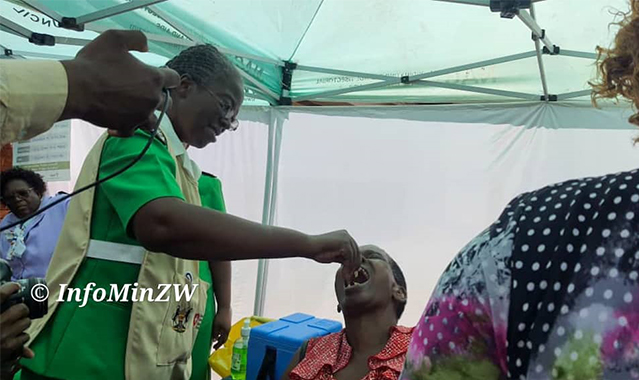
Thandeka Moyo-Ndlovu, [email protected]
CIVIC organizations have commended the Government for rolling out the oral cholera vaccine targeted at 2, 3 million Zimbabweans with reports that another batch of doses is expected to reach the country by 5 February.
The vaccination drive will be implemented in a cluster-to-cluster and door-to-door manner, adapting to the phased arrival of vaccine doses.
Initially, 26 high-burden districts will be prioritized based on the severity of the outbreak in those areas.
In the week ending January 28 2024, a total of 1,583 new suspected cholera cases were reported from all ten provinces. This was a 7, 5 percent increase from 1 499 cases reported during Week 03. Though all 10 provinces have reported cholera cases, three provinces (Harare, Manicaland, and Masvingo) account for approximately 80, 9 percent of all reported cases.
The cholera vaccine used in Zimbabwe is the Euvichol-Plus vaccine, produced by EuBiologics. It is an oral vaccine administrated by mouth. One dose of vaccine protects against cholera infections for a period of at least six months.
In its fifth cholera bulletin, the WHO said the consignment is part of the 2, 3 million approved by the ICG. The last consignment is expected in the country on February 5 2024.
“This handover is a powerful symbol of our collective commitment to protecting lives and safeguarding the health of this great nation.
“As WHO, we continue to support the Government of Zimbabwe, along with other partners in consolidating the gains made in the ongoing response to the cholera outbreak,” said Professor Jean-Marie Dangou, WHO representative to Zimbabwe.” However, while the oral cholera vaccines are a critical component in cholera response, it is important to highlight that cholera thrives where sanitation and clean water are scarce or inadequate. Cholera is a disease of inequality. We must therefore acknowledge the critical work that remains,” he said.
The community working group on health director Mr Itai Rusike said cholera has exposed vulnerabilities in the water and sanitation infrastructure, highlighting the need for robust surveillance systems, and underscoring the importance of community engagement.
“As we move forward, we need to continue investing in these critical areas to ensure that cholera becomes a disease of the past. The response to the cholera outbreak requires the active participation of the community as it is not just the responsibility of the health sector alone,” said Mr Rusike.
“There is a need for community ownership and informed community participation for the cholera response to be successful and sustainable. Through community engagement, we can promote cholera control strategies, and hygiene promotion and reduce the risk factors for cholera transmission, such as clean-up campaigns, improved personal hygiene, solid waste management, household water treatment and handling, and food hygiene and safety.”



 Online Reporter