Online Reporter
Richard Muponde, Zimpapers Politics Hub
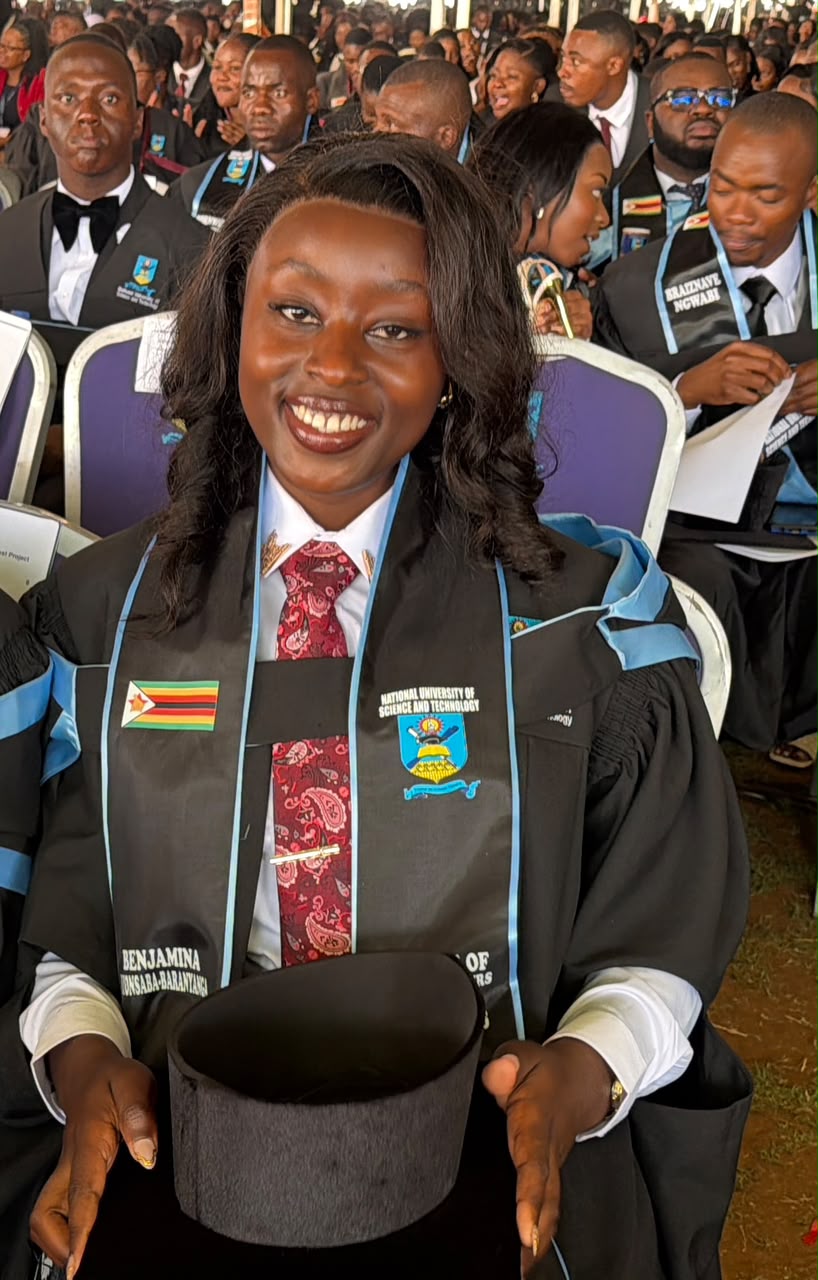
AS Zimbabwe prepares to commemorate Heroes and Defence Forces Days on August 11 and 12, attention turns to the enduring legacy of the nation’s liberation war heroes. The Second Republic is set to uphold their dignity and that of their descendants, primarily through a deeply symbolic initiative: funding the tuition fees for children of War Veterans and Ex-Political Prisoners, Detainees and Restrictees.
This commitment not only honours the sacrifices made for independence but also aligns with a national philosophy that places education at the core of empowerment. Minister of Veterans of the Liberation Struggle Affairs, Monica Mavhunga, recently reaffirmed this Government support, confirming it is provided in line with existing statutes.
“Through the provision of education benefits, 5 208 children of war veterans and ex-political prisoners, detainees and restrictees received tuition in 2024. The figure has increased to 6 061 in 2025, as a result of increased applications arising from ongoing awareness programmes,” said Minister Mavhunga.
This increase in support for the children of Zimbabwe’s liberation heroes highlights both growing demand and the Government’s strengthened capacity, signalling a clear fiscal commitment to human capital. Many of these children’s parents sacrificed their own education to fight the oppressive Ian Smith regime, risking everything for freedom. Post-1980 independence, age, health, or the urgent need to rebuild lives often prevented these veterans from resuming formal studies, making their children the torchbearers of their deferred dreams.
Educating these descendants is therefore more than a gesture or a statutory obligation; it is a profound moral duty and a vital investment in Zimbabwean nationhood. By ensuring their access to education, the Government fosters a future leadership deeply rooted in the understanding of freedom’s true cost, well-equipped to defend and advance the nation.
Zimbabwe’s commitment to its liberation heroes extends far beyond local borders, as children of War Veterans, Ex-Political Prisoners, Detainees, and Restrictees pursue education at universities across Africa, Europe, Asia and the Americas. This global reach reflects the Second Republic’s vision of nurturing world-class citizens, with the Government funding full tuition at public institutions and equivalent fees for those in private or foreign universities, balanced by parental contributions.
Beyond educational support, President Mnangagwa’s administration has launched various empowerment initiatives for freedom fighters. Since 2017, these include housing schemes, land access, healthcare support and financial inclusion strategies, such as the Veterans Investment Corporation (VIC), which promotes veteran-led commercial ventures. These tangible programmes, including their inclusion in mining and agriculture (like the Pfumvudza/Intwasa programme), aim to restore dignity and independence, ensuring “no one is left behind.”
Furthermore, the upcoming gazetting of War Collaborators and Non-Combatant Cadres vetted in 2024 will broaden eligibility for statutory benefits, including education aid for their dependents. This move acknowledges the diverse contributions to the liberation struggle, extending recognition beyond combatants to those who provided crucial logistical and moral support.
Crucially, an educated youth forms a nation’s strongest defence. By investing in the intellectual development of freedom fighters’ children, Zimbabwe cultivates intellectual heirs to a physical struggle. These young people are uniquely positioned to interpret independence as an ongoing project, defending it through policy, innovation and civic leadership, thereby becoming a living tribute to their parents’ sacrifices and a beacon of national pride.
The undeniable link between education and sovereignty demonstrates how investing in youth, particularly those carrying such a profound moral heritage, strengthens a nation’s ability to navigate modern challenges. Zimbabwe’s approach under the Second Republic exemplifies how historical justice can effectively align with future development goals.
The Government’s sustained support for veterans and their families is not just justified; it’s essential for securing Zimbabwe’s future. The Second Republic consistently demonstrates, through policy and action, that the sacrifices for liberation will never be forgotten. In classrooms from Harare to London, the descendants of Zimbabwe’s heroes are being equipped to protect and advance the ideals their parents fought for, embodying a powerful legacy of blood, books and belief in a better tomorrow.