Nyasha Simbisai in BULAWAYO
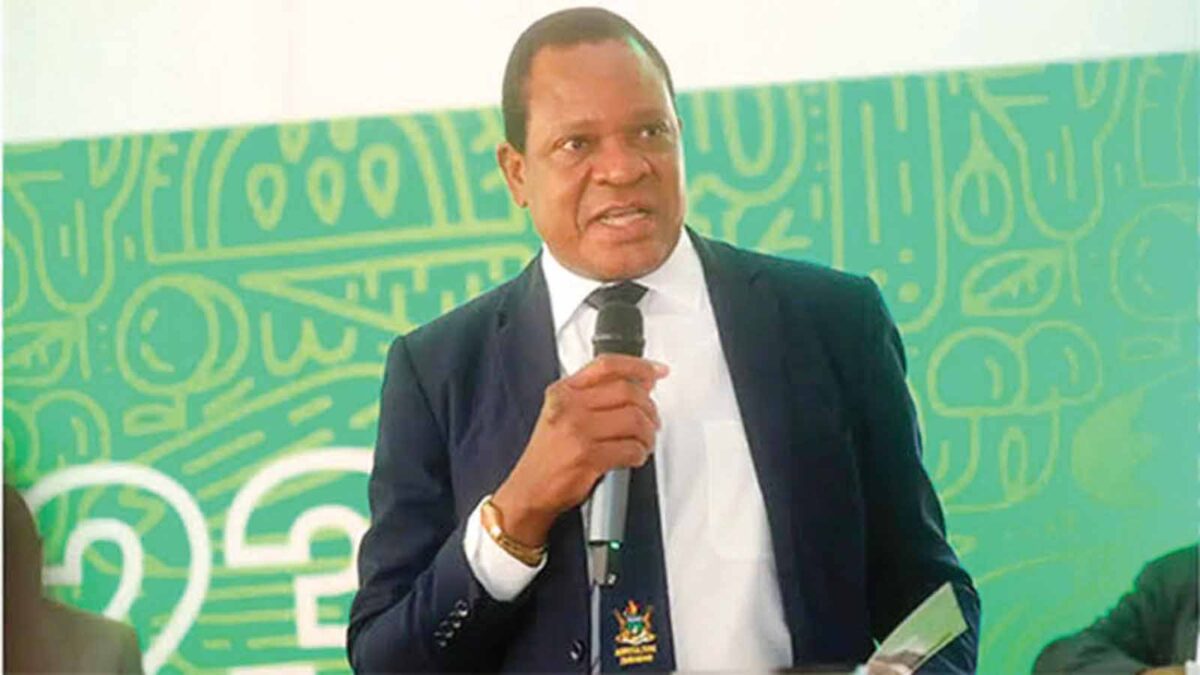
AGRICULTURE, Mechanisation and Water Resources Development Minister Dr Anxious Jongwe Masuka has called on officials in his ministry to strengthen accountability, improve agricultural productivity and ensure that its programmes deliver measurable improvements in household livelihoods as Zimbabwe accelerates efforts towards becoming an upper-middle-income society by 2030.
He made the call in his closing remarks at the ministry’s five-day strategic planning workshop in Bulawayo on Friday, where he emphasised the need to align the ministry’s programmes with Vision 2030 and the National Development Strategy 2 (NDS2).
“Ultimately, what we do is beyond just provision of food security. It is beyond nutrition. It is livelihoods improvement. And yes, I hope that within this plan, we’ll be able to measure livelihoods improvement,” he said.
Dr Masuka challenged the ministry to establish clear performance indicators demonstrating how its agricultural programmes were transforming rural households, lifting communities out of poverty and contributing to national economic development.
He noted that while food security and food sovereignty were being measured, the impact of agricultural interventions on household livelihoods required greater attention.
Citing economic performance figures, Dr Masuka said Zimbabwe’s economy grew by 8,3 percent last year, with agriculture contributing 2,2 percentage points following sectoral growth of 27,9 percent.
He said the Ministry needed to demonstrate how its interventions, particularly the Presidential Rural Development Programmes introduced since 2017, were sustainably transforming communities.
“Those that have participated in these programmes have had their lives changed, transformed, and transformed irreversibly. Because for something to happen, to be sustainable, it must be replicable”.
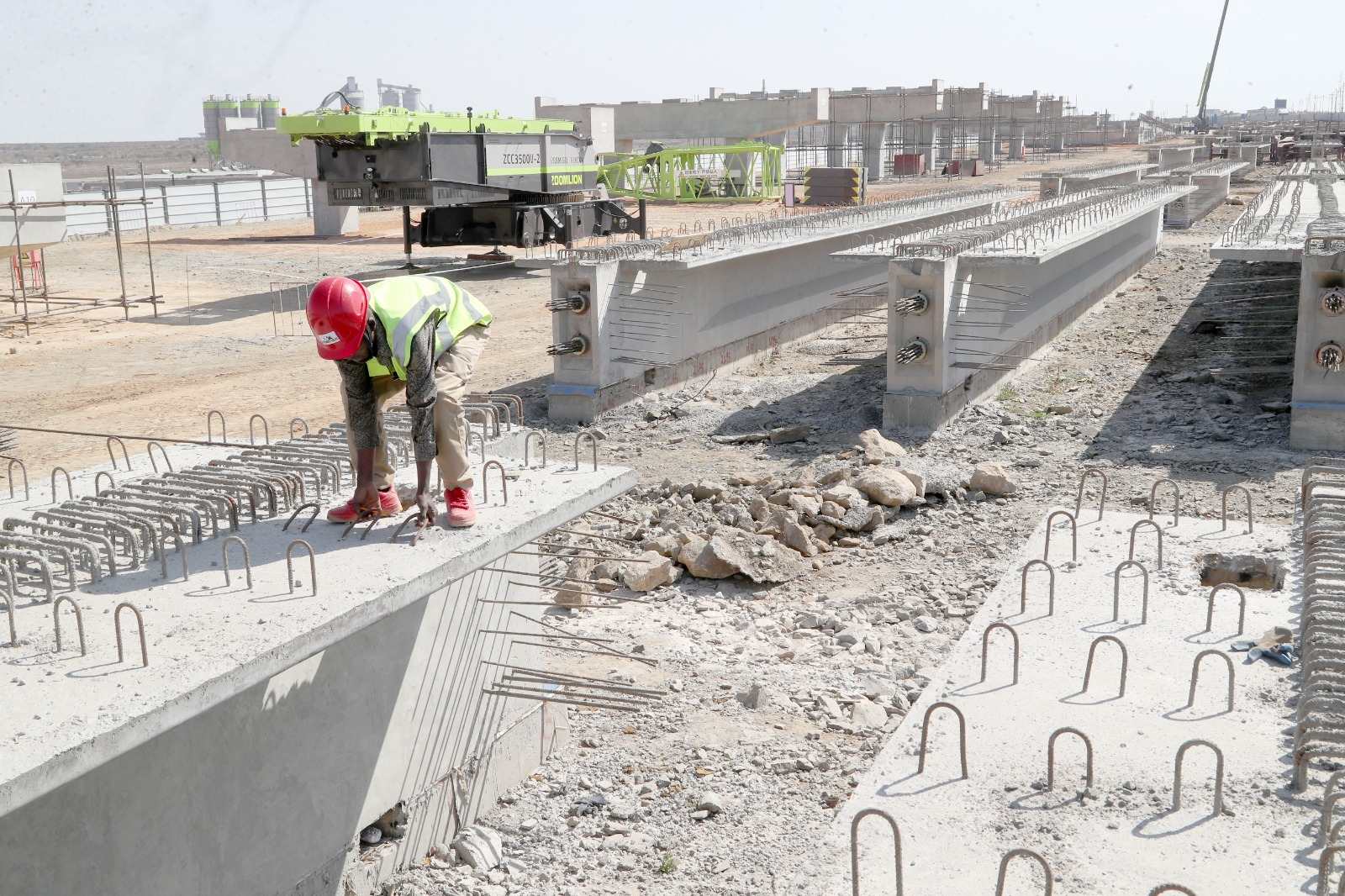
Dr Masuka also highlighted progress on the Gwayi-Shangani Dam project, which he said had reached 83 percent completion following an aerial assessment undertaken with senior ministry officials.
He said the Government expected to close the dam gates between January and February to commence impoundment of water, advancing plans to secure Bulawayo’s water supply for eight years.
“The irreversible journey for Bulawayo to have a secure eight-year water supply is guaranteed by you. That’s what you are doing,” Dr Masuka said, urging officials to measure infrastructure projects by their direct impact on communities.
He challenged the Ministry to quantify the benefits of water infrastructure, including the proposed transfer of 240 megalitres of water per day from the Cowdray Park Water Treatment Plant to Magwegwe, particularly in reducing water shedding and supporting agricultural production.
Turning to the anticipated El Niño-induced drought, Dr Masuka called for strict implementation of all Pfumvudza/Intwasa conservation agriculture principles to safeguard household food production.
He questioned why the more than 14 million plots established under the programme were not consistently translating into sufficient cereal output, despite the scientific principles underpinning the model.
“Despite the headwinds caused by El Niño, we must triumph,” Dr Masuka said, challenging agricultural professionals to ensure that farmers fully implemented the recommended conservation practices.
The Minister said projected cereal production of 1,6 million tonnes against national requirements of 2,4 million tonnes underscored the need to improve productivity and close the food supply gap.
He further challenged the ministry to strengthen livestock disease surveillance and prevention following reports of cattle deaths in Darwendale and Mangwe, as well as the occurrence of January Disease outside its expected seasonal period.
“Why should we continue to have farmers’ lives and livelihoods disrupted because we have put in a cantonment because there is FMD? Why can’t we have this surveillance that allows us to gather the insights that are needed to deter outbreaks?” Dr Masuka said.
He also called for improved performance of Village Business Units (VBUs), questioning why communities with established rural development infrastructure continued to experience food insecurity.
Dr Masuka urged officials to demonstrate greater initiative and translate available scientific knowledge, technical expertise and resources into practical interventions.
“Wherever you are, you don’t have to ask for permission to do more, to do the right thing because everything that you are doing will be impacting these rural lives for the attainment of Vision 2030,” he said.
Dr Masuka said Zimbabwe had the geographical advantages, fertile soils and human capital required to emerge as an agro-industrial hub by 2030, but stressed that effective implementation of the ministry’s strategic plan would determine progress towards that ambition.
“Zimbabwe must emerge as this enviable agro-industrial hub by 2030,” he said.