Online Reporter
Conrad Mupesa
Mashonaland West Bureau
THE Government has stepped up efforts to expand access to electricity in rural communities, with five learning institutions and an irrigation scheme in Zvimba district connected to the national grid this year under the Rural Electrification Programme.
The initiative, being implemented through the Rural Electrification Agency (REA), is part of the Government’s broader drive to bridge the rural-urban development gap and achieve its Vision 2030 target of attaining an upper middle-income society.
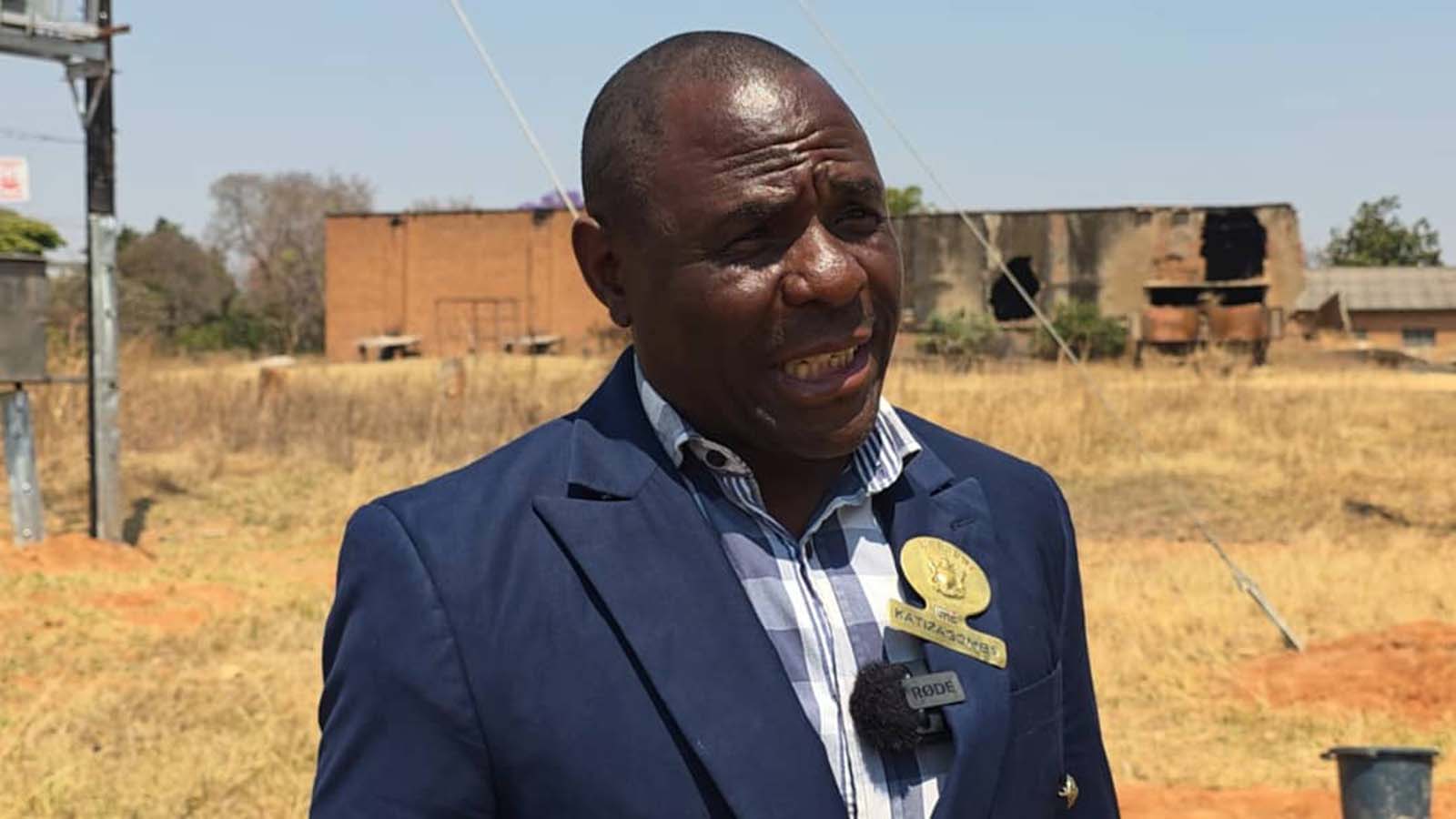
The latest project saw Mission Vlei Primary School in Zvimba North constituency connected to the national grid on Tuesday at a ceremony officiated by Mashonaland West Provincial Affairs and Devolution Minister Marian Chombo.
The ZWG575 000 (US$22 000) project was completed in 11 days and involved the construction of 0.2km of high-voltage and 0.3km of medium-voltage lines.
REA also installed a 25kVA transformer and wired the school’s administration block and computer laboratory, while nearby communities and the shopping centre were also connected.
The development is expected to transform learning at the school, which previously struggled to utilise computers and other ICT equipment because of the absence of electricity.
School head Ms Gladys Chinoona Muzulu said the connection would improve the school’s academic performance and help retain teachers.
“We received laptops from POTRAZ but could not use them because of the lack of electricity. Now that we have been connected, we are 100 per cent sure that our pass rate will improve as our children will be able to access ICT knowledge and skills,” she said.
The school recorded a 33 per cent pass rate in 2025 and is targeting 50 per cent next year.
Ms Muzulu said the availability of electricity would also help address staff retention challenges.
“Apart from the improved pass rate, we are also confident that this development will help us retain our staff here, as most teachers were transferring because of the unavailability of electricity,” she said.
Headman Katizagombo said the project demonstrated the Government’s commitment to ensuring that rural communities were not left behind in national development.
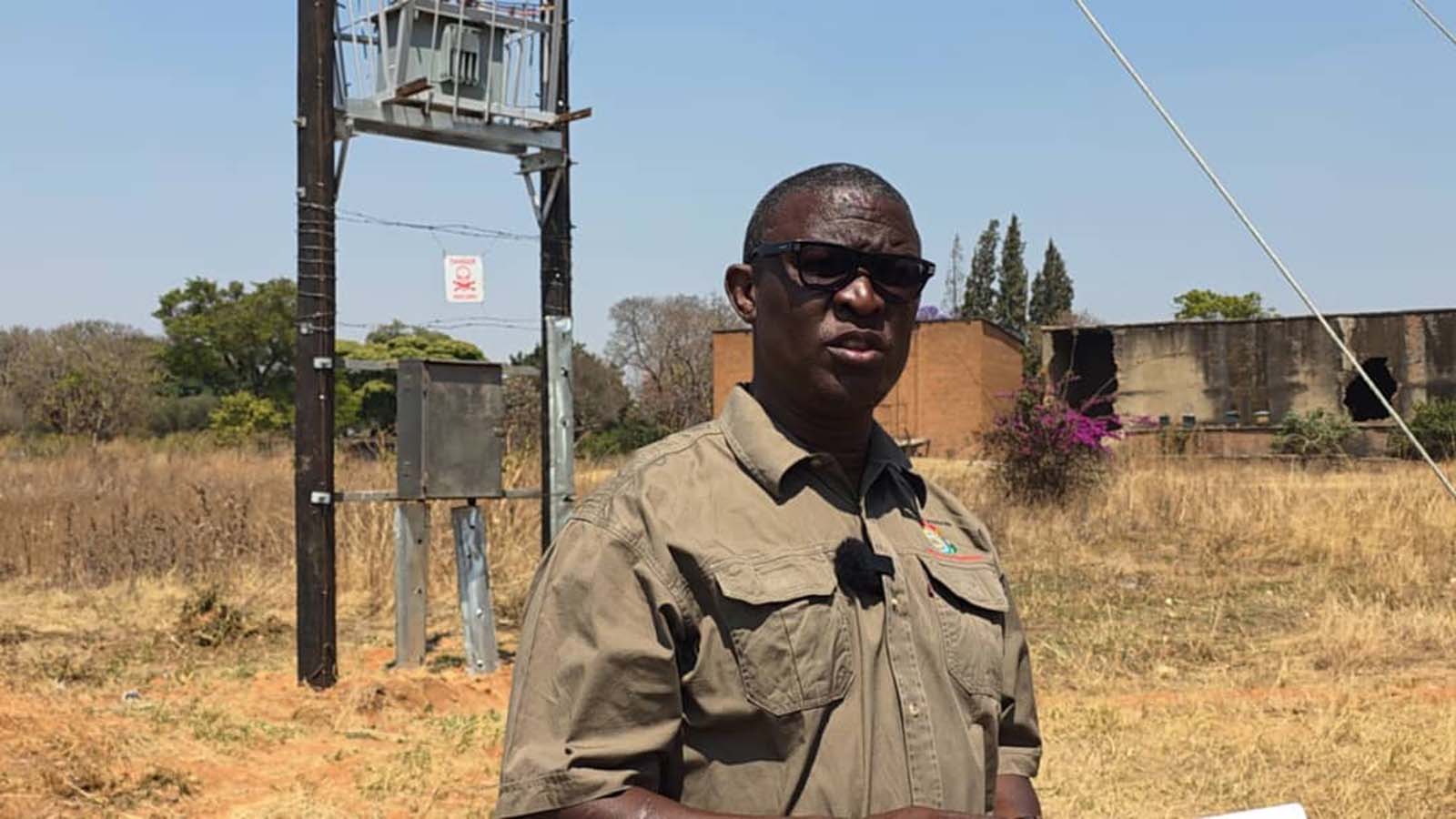
“Development starts when we have electricity. This move means that our communities are not being left behind in terms of development,” he said.
Ward councillor Cde Chamunorwa Kapita said electricity would unlock opportunities for communities to engage in productive economic activities.
“We now see our people using electricity for projects such as irrigation and welding. Communities can also use it for lighting and preserving perishable foods, while businesses can operate more efficiently,” he said.
REA provincial manager Mr Last Taguma Sauramba said the agency was continuing to prioritise remote and marginalised communities.
“We have also connected hard-to-reach areas such as Chalala in rural Kariba. This is in line with our mandate as an agency,” he said.
The latest developments in Zvimba form part of a wider national rural electrification drive.
According to REA, a total of 9 954 rural electrification projects have been electrified across Zimbabwe since the establishment of the Rural Electrification Fund in 2002 and the beneficiaries include schools, clinics, business centres, farms, homesteads, Government extension services and irrigation schemes.
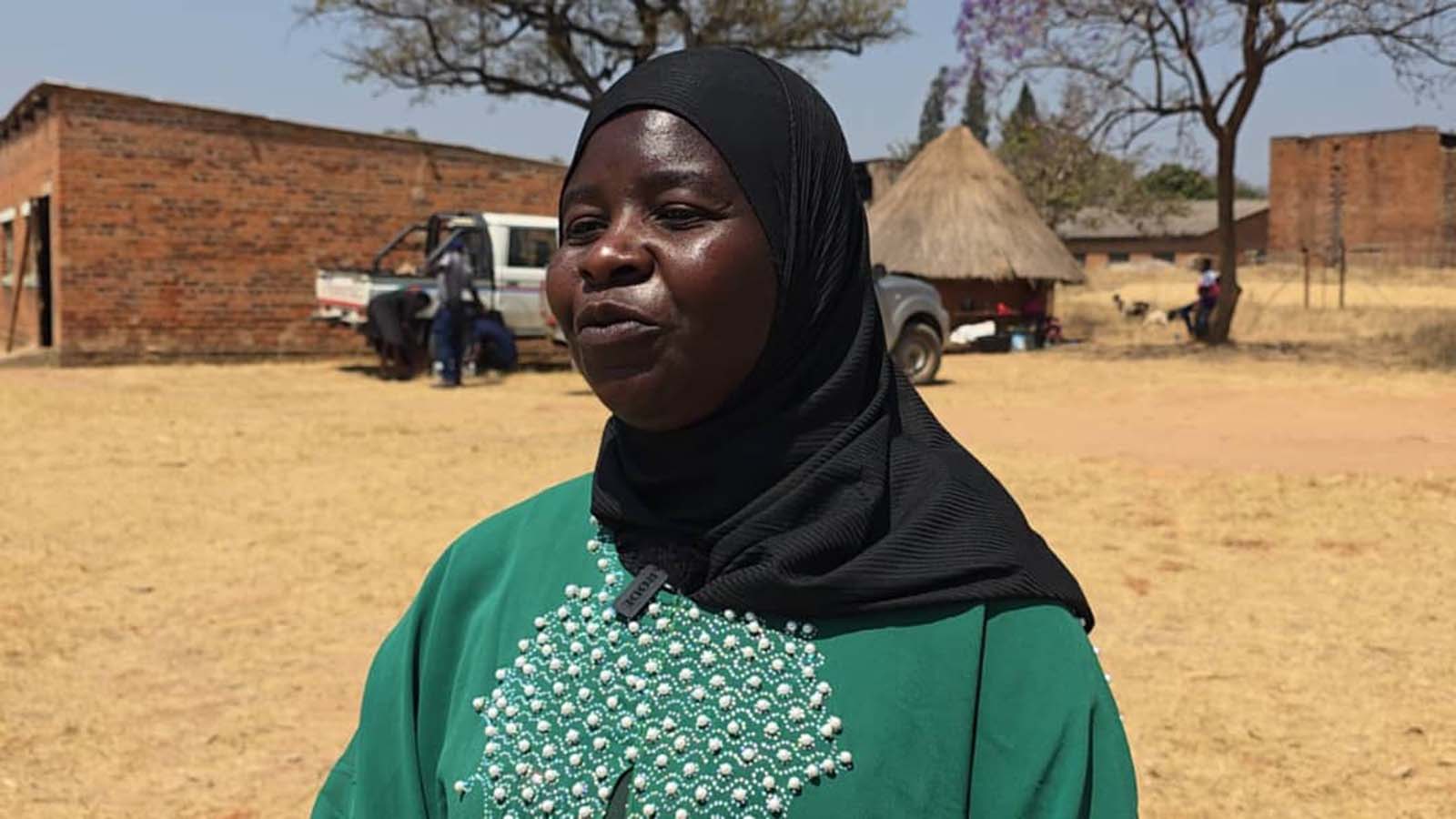
The Rural Electrification Programme is funded primarily through the Rural Electrification Fund, which receives a levy from electricity consumers as well as fiscal allocations and other sources of funding.
Public rural institutions such as schools, clinics and Government extension offices qualify for a 100 per cent capital subsidy under the programme.
Government’s Vision 2030 policy targets 75 per cent rural electrification, with rural electrification and end-use infrastructure specifically targeting smallholder irrigation schemes, schools, clinics and home industries at rural service centres and growth points.
The national programme also provides for the use of both grid and off-grid technologies, including solar and other renewable energy solutions, as Government pursues universal access to sustainable and modern energy services by 2030.
Government has further directed REA to ensure that all schools and rural health centres in the country are electrified by the end of 2026.
Minister Chombo, who also handed over Starlink kits to two schools, including Mission Vlei Primary, urged the beneficiaries to use the new infrastructure to improve education and economic activity.
“Take advantage of this connection for positive growth. Now that you have been connected, make use of the Starlink kits and laptops to research and improve the pass rate.
“Learners should benefit from this, and our farmers who were connected to the grid should improve food production for the sustainability of the nation,” she said.
Minister Chombo also urged learners and community members to guard against drug and substance abuse, noting that the scourge was increasingly affecting rural communities.V