admin
admin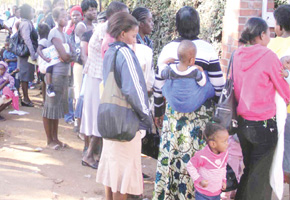
Today, Mr Chiyangwa uses a wheelchair yet he used to walk; making him curse the day his mother did not take him for immunisation.
Poliomyelitis, often called polio or infantile paralysis, is an acute, viral infectious disease spread from person to person, primarily via the faecal-oral route. The virus enters the central nervous system preferentially infecting and destroying motor neurons, leading to muscle weakness and acute flaccid paralysis.
Different types of paralysis may occur, depending on the nerves involved. Spinal polio is the most common form, characterised by asymmetric paralysis that most often involves the legs.
Polio epidemics have crippled thousands of people, mostly young children.
Other child killer diseases include measles, diphtheria, whooping cough and tetanus.
The Ministry of Health and Child Welfare on Monday launched its week-long nationwide immunisation programme and targets to immunise 1,9 million children below the age of five years against polio and measles, in a bid to reduce child mortality.
Immunisation is a clinical preventive service that is recommended for virtually every child in the world. After proper administration of a single dose or a series of doses of vaccine, they generally confer long-lasting immunity upon the recipient.
Vaccines interrupt the circulation of the disease-causing bacteria or virus, which means they protect not only the child vaccinated, but also potentially individuals who were not vaccinated.
Historically, infectious diseases have been a significant source of childhood illness, in many cases leading to disability or death. Through immunisation, smallpox and polio have been eradicated from a number of countries and cases of measles have been reduced significantly.
In a snap survey conducted by Chronicle, residents expressed gratitude towards the Government’s decision to immunise children.
Mrs Khethiwe Nyoni said the immunisation programme was very important as this helps to protect their children from various diseases.
“We came here so that our children could be immunised. Prevention is always better than cure and we are really grateful for the programme,” she said.
Mrs Abigail Serima said the Government should continue raising awareness about the importance of immunisation.
“The relevant authorities should shed more light about immunisation because some people still do not have knowledge about the importance of this, not knowing the casualties that may befall their children.
“I also encourage the Ministry of Health to help teach us about other diseases that are now affecting our children. I want to thank the Government for organising this because we could not have raised the money if we had to pay to get our children immunised,” she said.
Mr Ndaba Sidambe said parents and guardians should take care of their children.
“Parents should put their children first and make sure that they are physically and mentally healthy as they are our future leaders.”
He also urged relevant authorities to put more clarification about the importance of immunisation of children.
“The relevant authorities should teach us about the importance of immunising our children because as it is if was not for Econet that sent messages to people to immunise their children, most people would not have known about this,” he said.
Ministry of Health and Child Welfare’s head of Epidemiology and Disease Control Dr Portia Manangazira said the objective of the programme was to make sure that all children receive vaccination during their early years of life and raise the country’s profile of vaccination.
She said as the country strives to reduce child mortality, vaccination is one of the ministry’s most effective ways to control child mortality. Dr Manangazira said the national immunisation week, as a supplementary campaign to routine immunisation, provides an opportunity to reach all children with life-saving vaccines.
She said during these days all children in the country’s 10 provinces will be vaccinated against measles and polio and also receive Vitamin A supplementation.
“We want to cover all our centres and the ministry has targeted 1,9 million children in this exercise,” she said.
Dr Manangazira said she was impressed with the high turnout for the programme and commended various partners for supporting the programme.
She said the vaccination week kicked off on a high note as thousands of women, including those from the apostolic sects, turned out with their children for vaccination.
“We received a lot of support from the World Health Organisation, Unicef, non-governmental organisations and churches. Japan has also been a major funder of the programme as none of our vaccinations are manufactured locally.
“We have also opened a command centre where all the vaccination centres will be communicating their progress in terms of statistics and other important information. We are also fortunate to be part of the Global Alliance for Vaccination Initiative, which allows procurement of high quality vaccines through Unicef and our donors are eager and willing to assist,” said Dr Manangazira.
She said although it was rare for children to react adversely to the vaccines, it was important for mothers to report any negative reactions to the nearest health centres.
“We give vaccines to the children so that we provoke their bodies to produce strong anti-bodies. As a result, the vaccines cause the children’s temperatures to rise, which proves that the body is responding.
“The side effects are very few but I would like to urge parents to monitor their children after the vaccinations and report any severe reactions to the nearest health centre,” she said.
Dr Manangazira appealed to the Government to give health workers good remuneration to motivate them and improve their standard of work.
“The administering of vaccinations is done by qualified nurses who know where and how to inject the children but we have a serious shortage of manpower at our health centres. Our infrastructure and equipment needs to be improved as well.
“I therefore appeal to the Government to assist our health centres with funds to improve the infrastructure and provide good remuneration for the workers to improve their working standards,” said Dr Manangazira.
The Government last year surpassed its five million immunisation target for children below the age of 15 by 200 000.
According to statistics from Unicef at least 100 children die every day in the country due to child killer diseases, which can be prevented.



 derick.khumalo