Sikhumbuzo Moyo, [email protected]
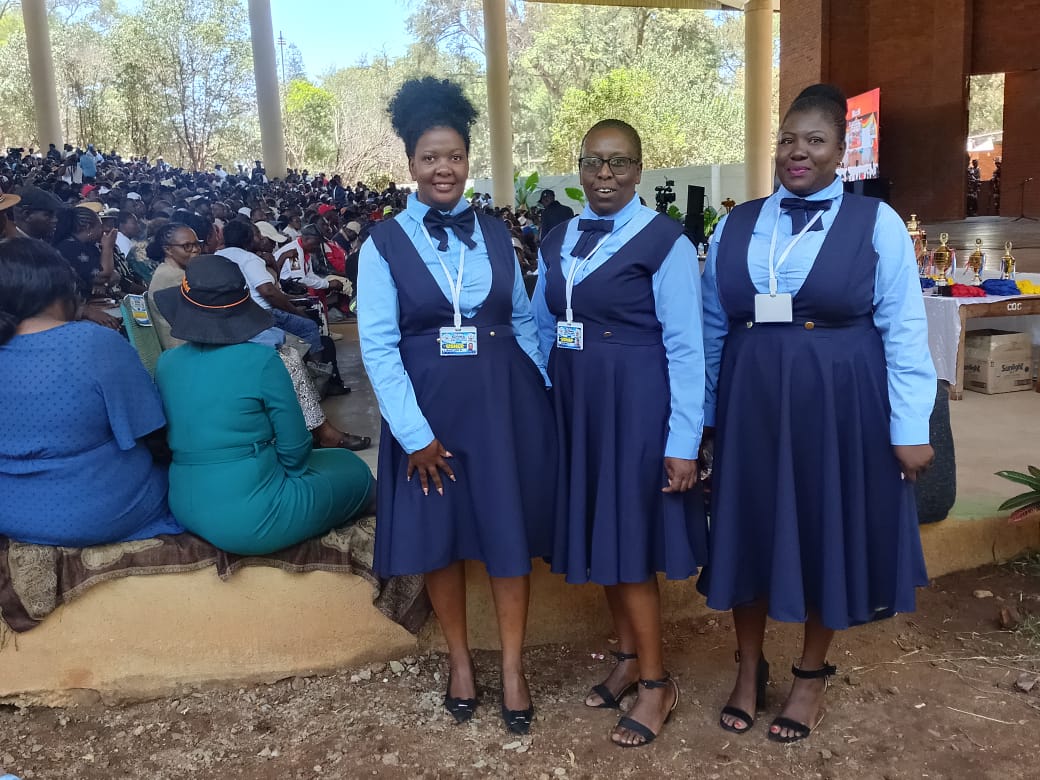
GOVERNMENT has hailed the National Association of Primary School Heads (Naph) for promoting cultural preservation, national identity and creativity through the national choral, percussion and Jikinya traditional dance competitions.
The competitions, which ended at the Bulawayo Amphitheatre today Thursday, are central to the implementation of the Heritage-Based Curriculum and the development of well-rounded learners.
Speaking during her keynote address at the national competitions, Chief Director of Primary, Secondary and Non-Formal Education in the Ministry of Primary and Secondary Education, Mrs Olicah Kaira, said the annual event went beyond showcasing pupils’ artistic talents to preserving Zimbabwe’s cultural heritage.
She said music, percussion and traditional dance were important expressions of the country’s identity, history, collective memory and cultural values.
“The national competitions in choral music, percussion and indigenous traditional dance are much more than annual school activities. They are an important expression of our commitment to holistic pupil development, cultural preservation, national identity and promoting creativity within our education system,” she said.
Mrs Kaira said Zimbabweans had a collective responsibility to ensure that children understood, appreciated, practised and preserved their cultural traditions as an essential part of their education and national identity.
She said the country’s heritage was not confined to monuments, historical records and artefacts preserved in museums, but was also reflected in its languages, stories, songs, art, dances and values passed down from one generation to another.
Zimbabwe’s cultural diversity, she said, was a national asset that enriched collective identity and demonstrated that unity did not require communities to abandon their cultural differences.
Mrs Kaira said this year’s choral set piece, which fused English, Ndebele and Shona, demonstrated the importance of recognising and celebrating the country’s linguistic diversity.
She said the clarity with which participating choirs delivered the lyrics reflected the power of music in promoting appreciation of indigenous languages.
“We become stronger when we recognise, respect, speak and celebrate our indigenous languages,” she said.
Mrs Kaira said the national competitions were particularly important in implementing the Heritage-Based Curriculum framework for primary and secondary education, which seeks to make learning relevant to Zimbabwe’s history, identity, environment, cultural resources and development aspirations.
She said learners should acquire knowledge and skills while developing an appreciation of the heritage that shaped their identity as Zimbabweans.
“The Heritage-Based Curriculum must be experienced, not merely explained,” she said, adding that the competitions provided meaningful, participatory and memorable learning experiences through which pupils could actively engage with their cultural traditions.
Mrs Kaira also called for inclusivity in cultural activities, saying every child, regardless of disability, gender, social background, geographical location or economic circumstances, deserved an opportunity to participate meaningfully in cultural learning.
She said rural, farm, resettlement and marginalised communities should be adequately represented at national competitions to ensure that their cultural expressions received due recognition.