Online Reporter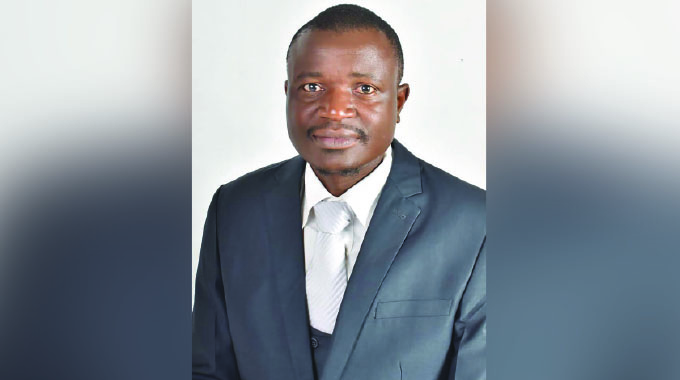
Robin Muchetu, Health and Gender Editor
STAKEHOLDERS in the health sector have applauded the significant steps taken by the Government in the fight against cancer by procuring new diagnostic and treatment machines, with plans to decentralise services beyond Harare and Bulawayo gathering pace.
The initiative, valued at approximately US$30,8 million and funded through the Sugar Tax, aims to improve access to vital cancer care across the country with Gweru and Mutare having been identified as the first centres to benefit in the decentralisation initiative.
The Ministry of Health and Child Care plans to acquire about 10 to 12 new pieces of equipment, primarily linear accelerators used in radiotherapy.
The new equipment is expected to arrive by December after completing all procurement procedures, marking a hopeful turning point for cancer patients who have long faced inadequate services.
Zimbabwe’s public health cancer services are limited largely to Parirenyatwa Group of Hospitals in Harare, where some radiotherapy machines are operational.
Mpilo Central Hospital in Bulawayo, intended as a secondary treatment centre has struggled with outdated or non-functional equipment, leaving southern region patients without access to critical radiotherapy.
The scarcity of functioning machines has resulted in dire consequences, with many patients succumbing due to delays or inability to access proper treatment.
The Government’s move has garnered praise from the Cancer Association of Zimbabwe (CAZ), which views it as a lifeline for many. CAZ has expressed strong support, emphasising the urgency of rapid procurement and deployment.
CAZ’s Information, Research and Evaluation Officer, Mr Lovemore Makurirofa highlighted that the current situation is dire.
He stressed the importance of involving stakeholders in the process to ensure the machines are operational and meet the country’s needs.
One of the critical aspects of the Government’s plan involves decentralising cancer services to other provinces, such as Gweru and Mutare.
Mr Makurirofa advocates for a phased approach, aiming for full decentralisation within two to five years.
“Such a move would prevent the overburdening of existing hospitals like Parirenyatwa and Mpilo and would make treatment more accessible and less congested. Decentralisation would also improve patient outcomes by reducing wait times and travel distances, which are often barriers to timely care,” he said.
Mr Makurirofa said the machines have historically faced frequent breakdowns, often due to aging and lack of service contracts which are agreements with manufacturers that ensure timely repairs and maintenance, crucial for the smooth operation of high-tech medical equipment.
He emphasised that establishing these contracts should be a priority to prevent future equipment failures and ensure continuous service delivery.
In addition to treatment machines, diagnostic services such as CT scans are vital for effective cancer management. Many patients struggle to access affordable diagnostic services in the public health sector, often having to rely on private hospitals where costs are prohibitive.
CAZ advocates for integrating diagnostic services within the public health system, enabling early detection and accurate staging of cancers.
This integrated approach would streamline the patient’s journey from diagnosis to treatment and potentially improve survival rates.
Dr Munyaradzi Magara, a breast cancer surgeon underscores the importance of a comprehensive array of machines and equipment needed for effective cancer care.
He explains that radiotherapy machines are essential but should be complemented by other diagnostic tools.
“For instance, mammography machines are used for screening and diagnosing breast cancer, which is the second most common cancer among Zimbabwean women. Ultrasound scans, CT scanners and Magnetic Resonance Imaging (MRI) machines are also critical in staging cancers and planning treatment strategies,” he said.
Dr Magara emphasises that cancer management involves multiple stages — screening, diagnosis, staging, treatment and follow-up — each requiring specialised equipment. He added that machines capable of evaluating bodily functions are necessary for refining diagnoses, monitoring response to treatment and detecting any recurrence.
He said the variety of equipment needed underscores the importance of sourcing compatible diagnostic kits and ensuring that all machines work seamlessly together to provide comprehensive care.
“Radiotherapy, in particular, is usually administered after surgical procedures or chemotherapy, aiming to destroy remaining cancer cells and prevent recurrence. It involves directing high-energy X-rays or other radiation types at specific body regions. Because cancer can affect different body parts, a diverse range of machines and equipment is necessary to address the unique requirements of each case,” Dr Magara added.
The Government’s initiative to procure new cancer treatment and diagnostic equipment signals a hopeful future for cancer care in the country while decentralising services and strengthening infrastructure could significantly improve patient outcomes with success hinging on timely procurement, establishing robust service contracts and integrating diagnostic services into the public health system.
With the momentum built by the Government, Zimbabwe can move closer to providing accessible, comprehensive cancer care for all its citizens, reducing mortality and offering renewed hope to those affected by the disease.