

 Online Reporter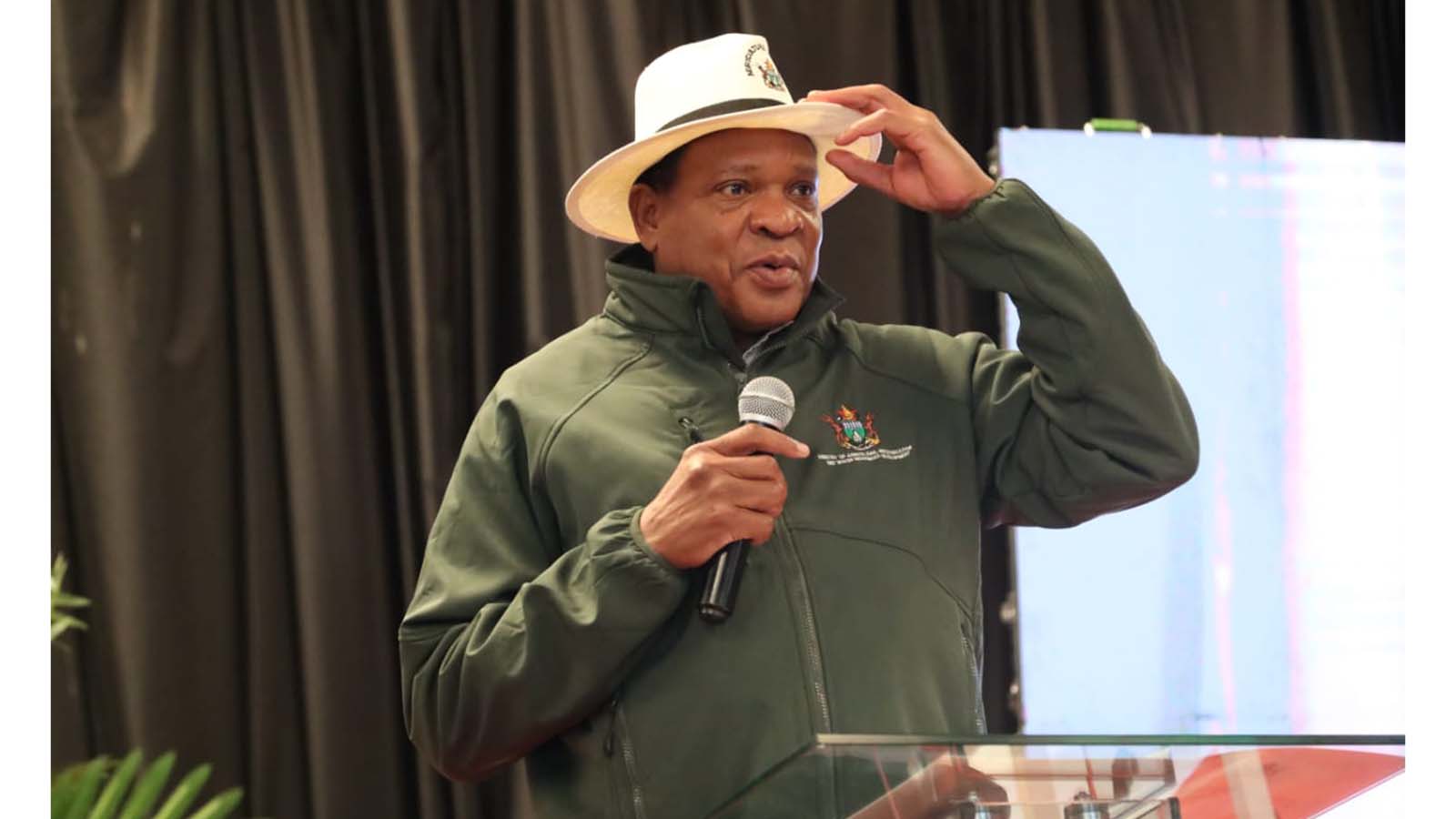
Business Reporter
THE Government has begun planning for the 2026/27 summer cropping season, adopting a six-pillar strategy aimed at cushioning the country against the anticipated effects of a possible El Niño and safeguarding national food security and agricultural production.
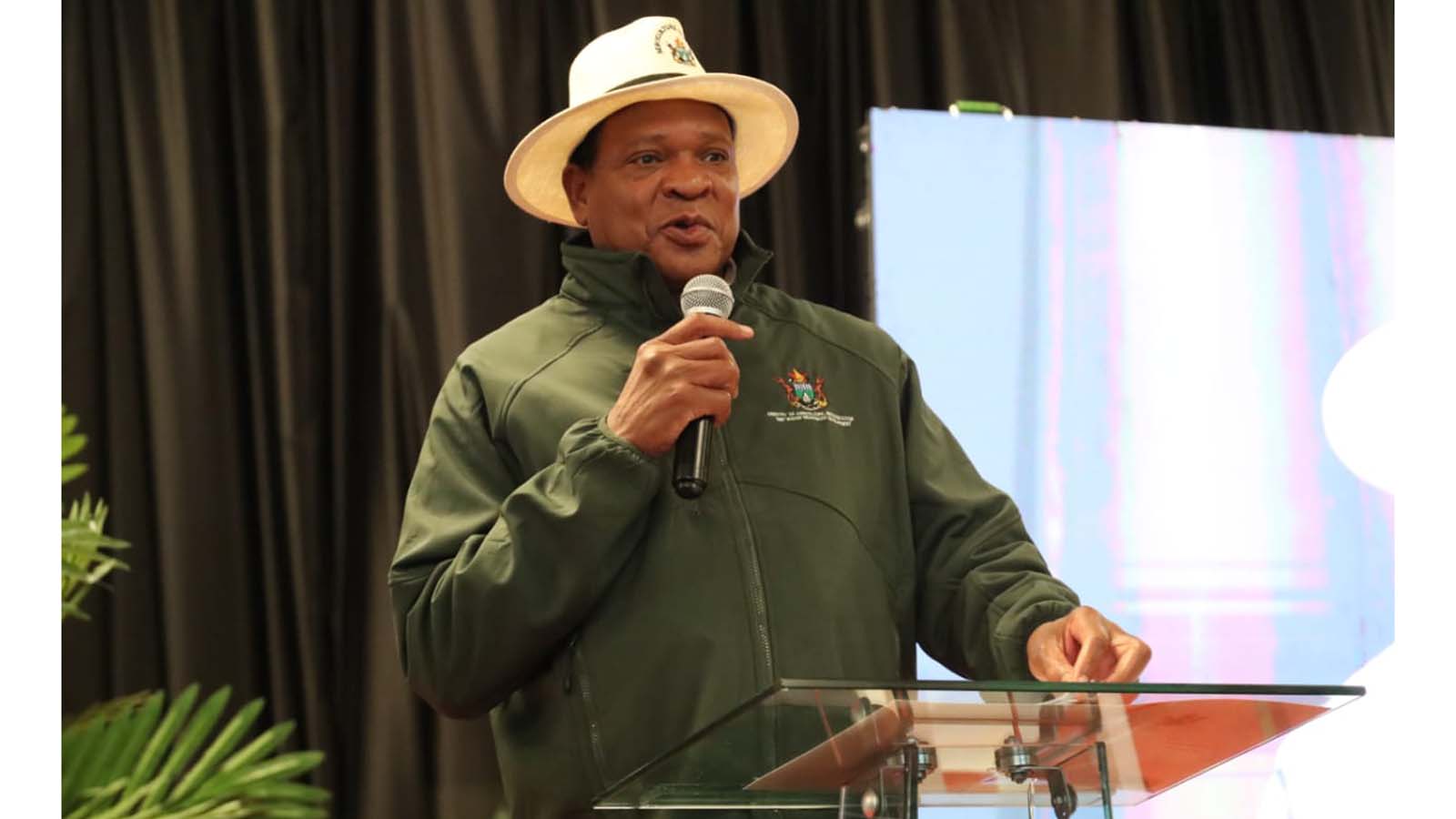
Speaking at the ongoing Zimpapers Public Lecture Series running under the theme “Smart Harvest, Resilient Nation: Agriculture as Zimbabwe’s Climate and Economic Shield,” Minister of Agriculture, Mechanisation and Water Resources Development, Dr Anxious Masuka said authorities are preparing for the worst while hoping for favourable rainfall.
He said the strategy seeks to strengthen grain reserves, expand climate-smart agriculture, improve agricultural financing and insurance, incentivise cereal production, build livestock resilience and enhance coordination and early warning systems.
“The planning has begun, but we are planning for the worst and, of course, hoping for the best,” said Dr Masuka.

The first pillar focuses on strengthening the Strategic Grain Reserve by purchasing as much of the country’s current grain harvest as possible to create adequate stocks that will cushion the nation through 2027 should rainfall be poor.
The second pillar centres on accelerating the adoption of climate-smart agriculture to improve productivity and resilience against increasingly frequent droughts and other climate shocks.
Dr Masuka said the third pillar involves an integrated financing and risk management framework, with Government working alongside the Ministry of Finance and the Africa Risk Capacity to secure sovereign climate risk insurance.
He said authorities also intend to expand agricultural insurance under the Pfumvudza/Intwasa programme.
Minister Masuka also noted that the Government is also reviewing financing arrangements for the forthcoming season and intends to offer stronger incentives for cereal production through improved prices for grain delivered to the Grain Marketing Board (GMB).
“We are looking at incentivising cereal production in the 2026/27 season by giving a better price for anyone who delivers to GMB,” he said.
The fourth pillar prioritises livestock development, with emphasis on beef, dairy, goats, poultry and other small livestock, which are considered more resilient to drought conditions.
As part of drought preparedness measures, Government also plans to establish drought mitigation centres in all of Zimbabwe’s 1 620 rural wards to improve access to food supplies during periods of reduced agricultural output.
Dr Masuka said the country is also considering mechanisms to facilitate grain imports, both at household level and through larger-scale import arrangements, to supplement the Strategic Grain Reserve and domestic harvests where necessary.
He noted that the sixth pillar focuses on strengthening coordination through improved early warning systems, extension services and communication with farmers.
Dr Masuka said the Ministry is expanding digital engagement with farmers, including the creation of a national WhatsApp platform to enable faster dissemination of weather alerts, technical advice and production information.
He said lessons from the 2024 drought had reinforced the need for stronger preparedness and coordinated action as climate change increases the frequency of extreme weather events.

“We must learn from 2024. In 2026 and 2027 we must be more united and more determined so that the increasing frequency of droughts in the coming years will not scare us, but challenge us to survive in a climate-smart environment,” he said.
The six-pillar strategy forms part of Government’s broader efforts to protect agricultural output, strengthen food security and enhance the sector’s contribution to economic growth despite increasing climate-related risks.


