Raymond Jaravaza and Sikhumbuzo Moyo, Zimpapers Writers
GOVERNMENT has repatriated nearly 100 000 Zimbabweans fleeing a fresh wave of anti-migrant protests in South Africa, as the Second Republic intensifies efforts to facilitate their safe return and reintegration into communities across the country.
The large-scale repatriation programme comes amid renewed anti-foreigner demonstrations in parts of South Africa that have displaced thousands of migrants, prompting Zimbabwe to activate an inter-ministerial response involving humanitarian assistance, border management, healthcare and social welfare support.
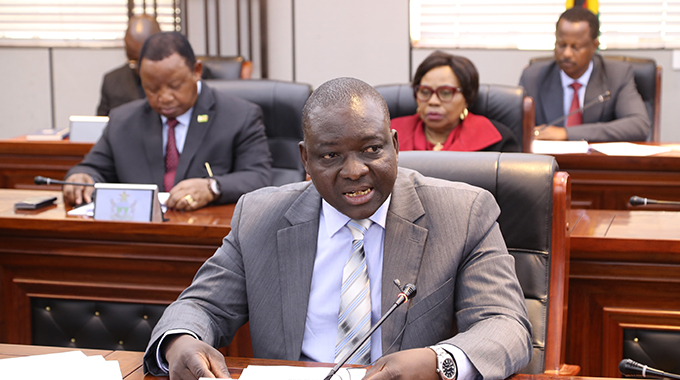
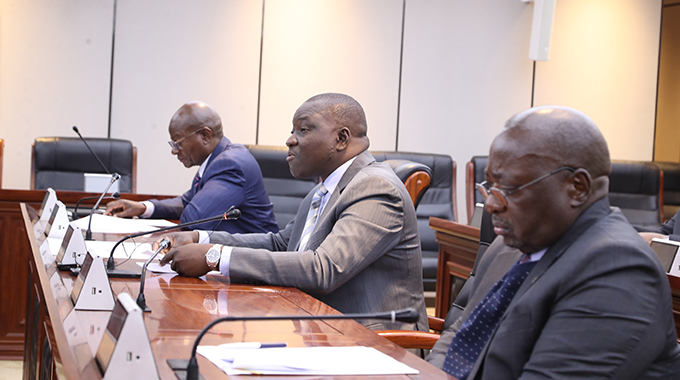
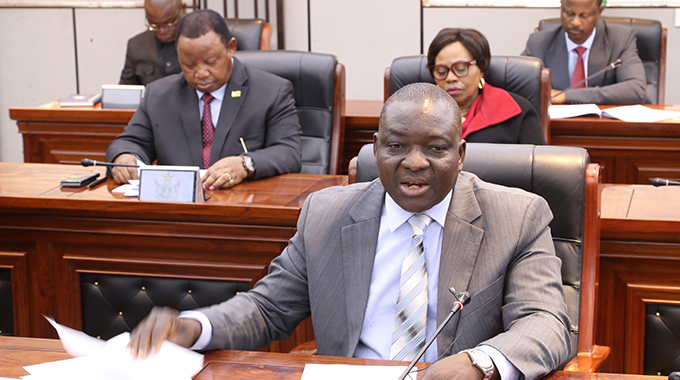
Addressing the post-Cabinet media briefing yesterday, Information, Publicity and Broadcasting Services Minister Dr Zhemu Soda said Government had adopted a comprehensive framework to coordinate the repatriation and reintegration of returning citizens.
He said since the exercise began on May 28, Government, working with development partners and the private sector, had facilitated the safe return of 99 418 Zimbabweans by July 10.
“The inter-ministerial committee on Environment, Emergency Preparedness, Disaster Prevention and Management and development partners has facilitated the return of 99 418 citizens between 28 May and 10 July 2026. More than 70 percent of the returnees are women and children,” said Dr Soda.
He said the number of Zimbabweans seeking assistance to return home continued to rise as the situation in South Africa remained fluid, with Government scaling up its response to meet the growing demand.
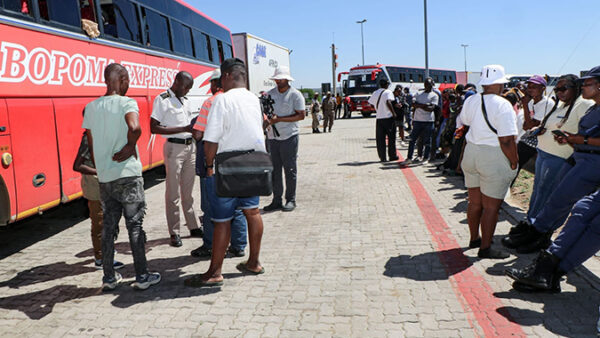
The repatriation programme is being coordinated through an Inter-Ministerial Committee and a national command centre established to oversee the transportation, reception and reintegration of returnees, with 50 Zupco buses deployed to transport citizens from South Africa to reception centres and onward to their respective homes across Zimbabwe.
Dr Soda commended First Lady Dr Auxillia Mnangagwa for complementing Government’s humanitarian response through a donation made after touring the Beitbridge Repatriation Centre on July 7.
“The timely efforts of the First Lady, Dr Auxillia Mnangagwa, are noted, in particular her generous donation to the Beitbridge Repatriation Centre, which she toured on 7th July, 2026.
“The donation included 30 tonnes of rice, 20 tonnes of mealie-meal, more than 5 000 tracksuits, 1 500 diapers and 1 500 units of sanitary wear material for women, which assisted greatly in the repatriation and reintegration initiatives underway,” he said.
Dr Soda also acknowledged communities across the country for supporting the reintegration of returning Zimbabweans.
He also noted that foreign nationals from Malawi and Zambia continue to arrive at Beitbridge Border Post after fleeing the unrest in South Africa and are receiving assistance through their respective embassies.
Dr Soda said Government had also put in place arrangements to assist other foreign nationals transiting through Zimbabwe on their way back to their home countries.
To ensure the smooth movement of returnees, the Border Management Committee — comprising the Department of Immigration, the Zimbabwe Revenue Authority (Zimra), the Vehicle Inspection Department and ZimBorders — has stepped up measures to expedite immigration clearance for buses and trucks transporting returnees.
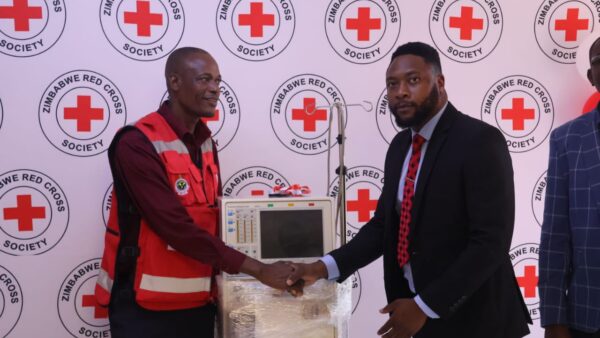
The Ministry of Health and Child Care, working with humanitarian partners including Médecins Sans Frontières (MSF) and the Higherlife Foundation, is also providing medical services at reception centres.
Dr Soda said more than 191 000 people had accessed healthcare services, while 870 children had been screened for malnutrition.
Fifteen diarrhoea cases were detected and successfully treated.
“Government assures the nation that efforts to render assistance to returning nationals will continue in order to ensure their smooth reintegration,” he said.
The minister added that security agencies would remain on high alert to curb illegal border crossings through undesignated entry points, particularly around Beitbridge and Plumtree.
At the United Congregational Church of Southern Africa (UCCSA) reception centre in Bulawayo’s Njube suburb, returnees praised Government for providing temporary accommodation, food, healthcare and transport assistance.
One of the returnees, Mr Ryan Ndlovu, said the support had given many families hope after they were forced to flee South Africa with few possessions.
“I want to thank the Government of Zimbabwe for the way it has received us.
“We are being treated with dignity and respect and that has given us hope for the future.
“Many of us came back with nothing, but the support we are getting shows that we have not been forgotten,” he said.
Mr Ndlovu said authorities had moved swiftly to assist returnees with identity documents, temporary accommodation and welfare services, enabling them to begin rebuilding their lives.
He also welcomed Government’s plans to support employment creation and income-generating projects for returnees.
“Many of us have skills that we acquired while outside the country and we are eager to contribute to national development if given the opportunity,” he said.
“What we need now are opportunities to work and become self-reliant. If programmes are put in place to support small businesses, farming projects and other income-generating initiatives, many returnees will be able to stand on their own feet and support their families.”
Zimbabwe activated its repatriation programme following the outbreak of anti-migrant protests in South Africa that have targeted foreign nationals, forcing thousands to seek refuge or return to their countries of origin.
Government has said the ongoing operation will continue for as long as citizens require assistance, with the focus now shifting from emergency evacuation to long-term reintegration through livelihood support and community-based development programmes.