Online Reporter
Raymond Jaravaza, [email protected]
THE Government is targeting a leaner, more efficient and innovation-driven public service as it moves to reposition the Public Service Commission (PSC) as a high-performing, citizen-centred institution under its 2026–2030 strategic plan.
Speaking on the sidelines of a PSC strategic planning workshop in Bulawayo on Monday, Permanent Secretary in the Ministry of Public Service, Labour and Social Welfare, Mr Simon Masanga, said streamlining Government operations and enhancing service delivery were central to the commission’s constitutional mandate.
Held under the theme “Re-imagining Public Service Delivery in Pursuit of Vision 2030: Unlocking Value through Transformation, Innovation and Broad-based Inclusivity”, the workshop is mapping out the next five-year blueprint that will anchor public sector reforms.
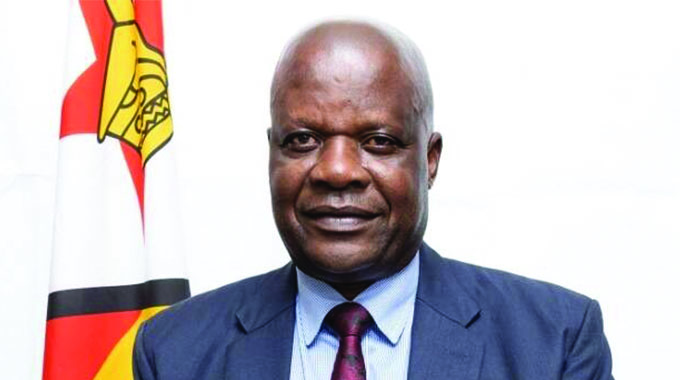
“We are looking at a lean, efficient and effective public service. Gone are the days when people crowd Government offices seeking services. The commission has strengthened its ICT unit to ensure citizens no longer travel long distances to access Government services,” said Mr Masanga.
He said digitising systems across ministries was one of the key thrusts of the workshop, as the PSC moves to eliminate manual processes and improve turnaround times.
As a pillar of national development, the PSC plays a central role in the attainment of Vision 2030 through the National Development Strategy 2 (NDS2), which begins next year.
“The Public Service Commission is part of the tripartite, which includes the Ministry of Finance, Economic Development and Investment Promotion and the Office of the President and Cabinet.
“In terms of planning, we cannot be divorced from NDS2. This workshop is part of a seamless integration of the five year strategic plan and the targets that will be set here are critical in achieving the goals of NDS2,” he said.
Mr Masanga noted that all 21 line ministries deal directly with issues affecting citizens, making it critical for the PSC to align its priorities with the five-year national blueprint.
He also emphasised the need for gender and youth inclusion in public service structures, saying women and young people constitute the majority of Zimbabwe’s population.
“Two-thirds of the population are young people and 52 percent are women. The question is how do we incorporate women into PSC management and bring young people into decision-making processes across Government and parastatals,” said Mr Masanga.
With many young professionals joining the civil service, Mr Masanga said the commission was working on strengthening training and developing systems to build technical and managerial capacity.
“One of our major objectives is the operationalisation of the Public Service Academy as part of remodelling our training and development capabilities,” he added.
PSC training centres across the country are set to undergo refurbishment to meet international standards.
PSC chairman Dr Vincent Hungwe said the workshop marks a shift toward transformative planning that will shape the commission’s strategic direction between 2026 and 2030.
He said the workshop compels the commission to recalibrate its institutional architecture, systems and culture to better respond to contemporary development challenges and opportunities.
He said the PSC remains guided by values of professionalism, merit, integrity and accountability.
As the country transitions from NDS1 to NDS2, Dr Hungwe said forward-looking strategies would be crucial in building a responsive and resilient public service.
Dr Hungwe said their focus will include a results-oriented performance culture, deepening e-governance, automating human resources systems and reinforcing ethical leadership.
“Moreover, we will entrench broad-based inclusivity, ensuring that gender equality, youth empowerment, disability inclusion and geographic balance are not peripheral, but central to our strategic agenda,” he said.