Chronicle Editor
Leonard Ncube, [email protected]
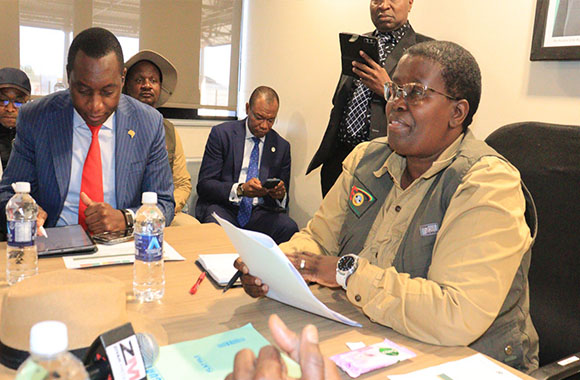
ENVIRONMENT, Climate and Wildlife Management Minister, Nqobizitha Mangaliso Ndlovu, has lined up meetings with traditional leaders and communities living near national parks in Matabeleland North as the Government moves to address human-wildlife conflict.
The Minister’s Annual Community Engagements on Environment, Forestry and Wildlife come as cases of human-wildlife conflict continue to rise and authorities have taken a stand to mitigate the situation through a basket of measures among them revitalisation of the Campfire programme.
Climate change-induced droughts have been identified as the major cause of conflict, especially in communities closer to game parks as wild animals particularly elephants, lions, buffaloes, hyenas and wild dogs, among others, stray into communities in search of food and water.
Human wildlife conflict is rampant mainly in Lupane, Binga, Hwange and Tsholotsho where villagers have lost cattle, goats, donkeys, crops and other properties while some people have been maimed or lost lives.
Cases of human-wildlife conflict continue to rise, with 66 people killed in 2022 as people encroached into wildlife areas for various reasons or animals straying into villages.
The conflict is attributed to the ever-growing human and wildlife population. The Kavango Zambezi Transfrontier Conservation Area last year released results of an elephant survey, which showed that Hwange National Park has a population of 65 028 elephants against the game park carrying capacity of 45 000.
Today, Minister Ndlovu will meet various stakeholders at Tsholotsho Rural District Council offices in the morning before an engagement with the community at Sipepa in Ward 5 in the afternoon.
Tomorrow, Minister Ndlovu will meet traditional leaders and the community at Cross Mabale in Hwange District. According to the programme, the minister is expected to listen to concerns from affected communities who are also seeking intervention from Government.
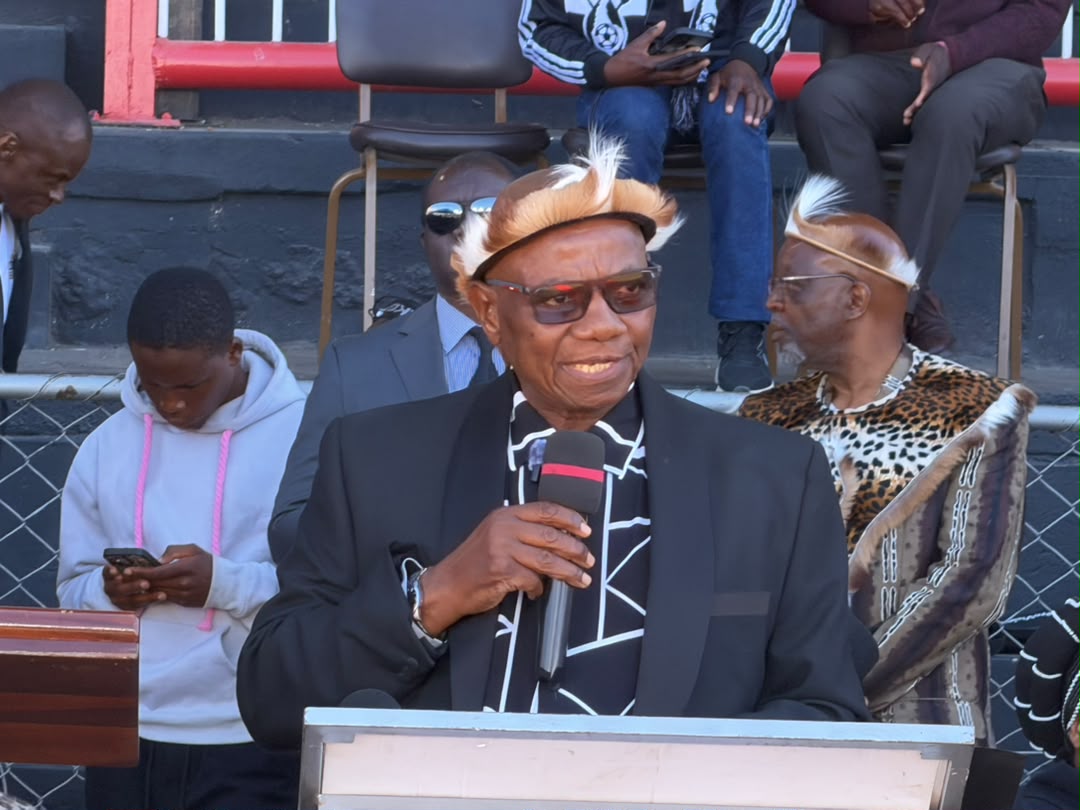
Chief Dingane-Nelukoba of Mabale said lions and elephants were causing havoc and implored wildlife authorities to address the problem.
“The situation is worse now as one villager recently lost five head of cattle to lions. They roam around villages and kill cattle, donkeys and goats in homesteads and pens.
“Our wish is for the animals to be driven away or eliminated. We have a pride that has a toothless adult lion and some cubs and most of the time injure livestock because the cubs are not yet hunters and you see cattle scratched. Nowadays the lions even attack cattle in the presence of herdboys,” said Chief Dingane-Nelukoba.
In Mabale, an elderly villager, Mr Hanganani Dube, was left disabled a few years ago after being attacked by an elephant while herding cattle.
In Change area, close to Hwange town, another village was left crippled after being attacked by an elephant. Several people have been attacked by crocodiles in Gwayi River in Mabale. Hwange Rural District Council proportional representation Councillor Sikhathele Moyo said a boundary fence could be a permanent solution to human-wildlife conflict.
“People are losing livestock on a daily basis as lions stray into communities and elephants invade fields. We need urgent measures to address the situation and I feel a fence would do as the only long-term solution because we have to save people and at the same time protect animals,” she said.
Sometimes animals disturb lessons as children fail to go to school. The Government is working tirelessly to mobilise finances to bankroll the Human-Wildlife Conflict Relief Fund to start compensating families and communities affected by wild animals.
Cabinet in 2022 approved the establishment of the fund for victims of human-wildlife conflict following proposals by the Ministry of Environment.
This followed countrywide consultation with communities affected by human-wildlife conflict where villagers implored Government to establish a compensation fund for families of victims of attack by animals and those that lose property or are permanently injured.
The fund, to be used to support affected families and communities, as well as come up with programmes that help reduce deaths caused by animals, will cover funeral assistance, hospitalisation and treatment for those maimed and injured. Some organisations have been encouraging villagers to adopt alternatives such as tsotso stoves where people are taught to use homemade cooking stoves that consume minimal wood, solar energy and boreholes in addressing human-wildlife conflict.
The ongoing Presidential borehole drilling scheme, which targets a borehole at each of the 35 000 villages countrywide will also go a long way in ensuring sustainable sources of water for consumption, creation of nutritional gardens and fish projects thereby reducing visits to rivers where villagers get attacked.
Such projects empower communities to be able to supply the market with horticulture and fish products thereby improving livelihoods and contributing to the livelihoods.
At the recent COP28 summit in Dubai, United Arab Emirates, the need for sustainable conservation was topical as a way of addressing climate change and reducing human-wildlife conflict.


 Online Reporter