Online Reporter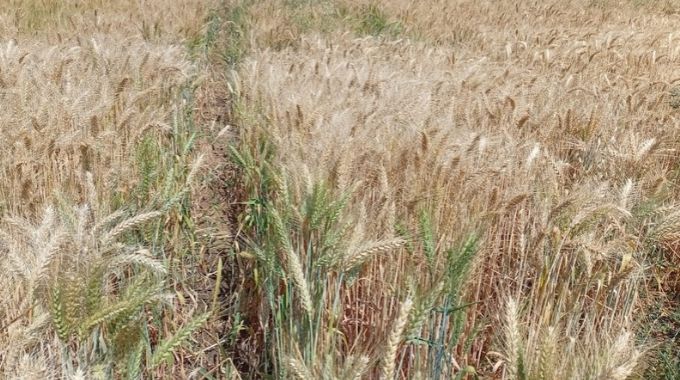
Nyasha Simbisai, Agriculture Correspondent
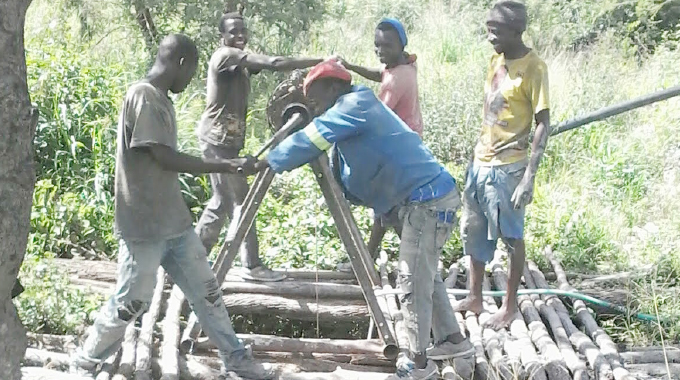
Farmer Field Schools established by the Ministry of Agriculture, Mechanisation and Water Resources Development across the country are expected to serve as the last-mile platform for the demonstration and adaptation of climate-smart practices to enhance agricultural production.
The development comes as the Ministry is simultaneously moving to safeguard the national livestock herd under Pillar Four – Livestock Drought Mitigation, with wheat straw now incorporated into the feed-security programme.
Under the programme, Farmer Field Schools are targeted for systematic establishment in each of the country’s 35 000 villages, providing a direct interface between Government agricultural policy, extension services and farmers.
Permanent Secretary for Agriculture, Mechanisation and Water Resources Development, Professor Obert Jiri, said each school is convened by the village head, with Agricultural Business Advisory Officers serving as technical resource persons.
He urged the schools to meet regularly and function as channels through which agricultural information, programmes, technologies and timely agronomic advice reach farmers throughout the production season.
According to the latest ADAS report, the programme has a substantial footprint, with 22 376 Farmer Field Schools recorded nationally. During the latest reporting week, 10 089 field visits were conducted, together with 187 farmer-led experiments, 1 333 demonstrations and 1 891 group discussions.
A total of 35 214 farmers – 21 618 women and 13 596 men – attended Farmer Field School sessions during the week, alongside 923 traditional leaders.
The schools assume greater significance under Pillar Two – Accelerated Climate-Smart Production, which prioritises the expansion of Pfumvudza/Intwasa to one million hectares, agro-ecological tailoring, soil health, moisture conservation, irrigation development and Village Business Units.
Professor Jiri said Statutory Instrument 159 of 2024, gazetted under the Fertiliser, Farm Feeds and
Remedies Act, designated wheat straw as livestock feed.
“We know that we are producing about a million of these bales from across the wheat-growing regions. We would want all these to be converted to livestock feed. Don’t burn the wheat straw, bale it for livestock feed,” said Professor Jiri.
While wheat straw has relatively low nutritional value when untreated, farmers could improve it through techniques such as urea treatment and the use of molasses, which could also be demonstrated through farmer training.
The report states that some farmers are already implementing urea treatment of stover to improve the nutritional value of crop residues, while hay balers are being strategically rotated across districts to accelerate fodder conservation.
The latest assessment indicates that 2,2 million cattle are at risk nationally, requiring an estimated 402 516 tonnes of feed. Pillar Four therefore places feed and fodder availability alongside livestock water security, disease prevention, small-stock promotion and the establishment of drought mitigation centres at the centre of the livestock response.