Online Reporter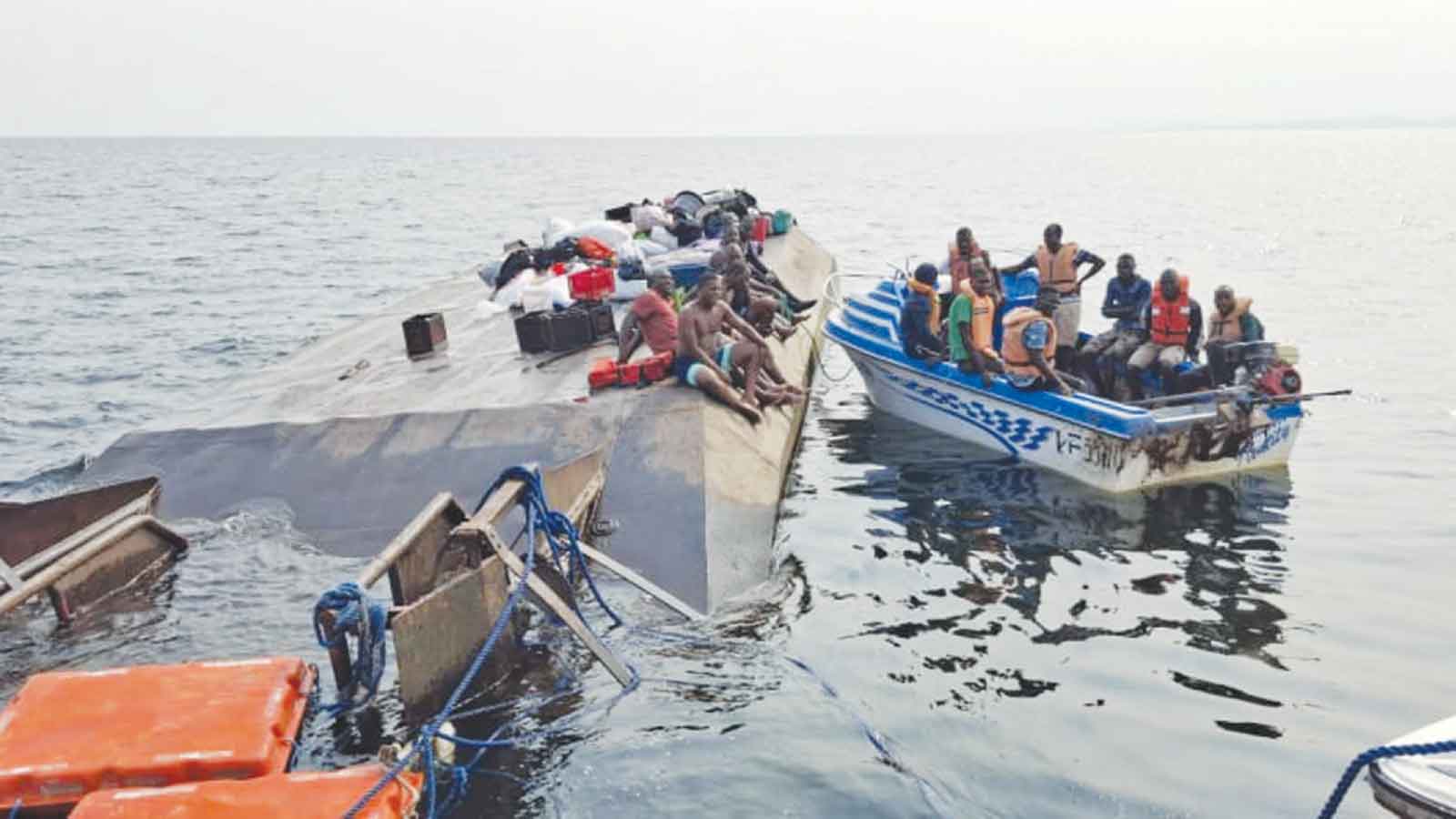
Walter Nyamukondiwa in KARIBA
THE Government is considering opening the Kariba-Chalala route to private ferry operators as it moves to restore the movement of people and goods following the loss of the Mbuya Nehanda, a disaster that has left lake communities facing serious transport challenges.
The move comes as the death toll from the ferry tragedy rose to 94 after another body was recovered on Monday night.
National police spokesperson Commissioner Paul Nyathi confirmed the latest development.
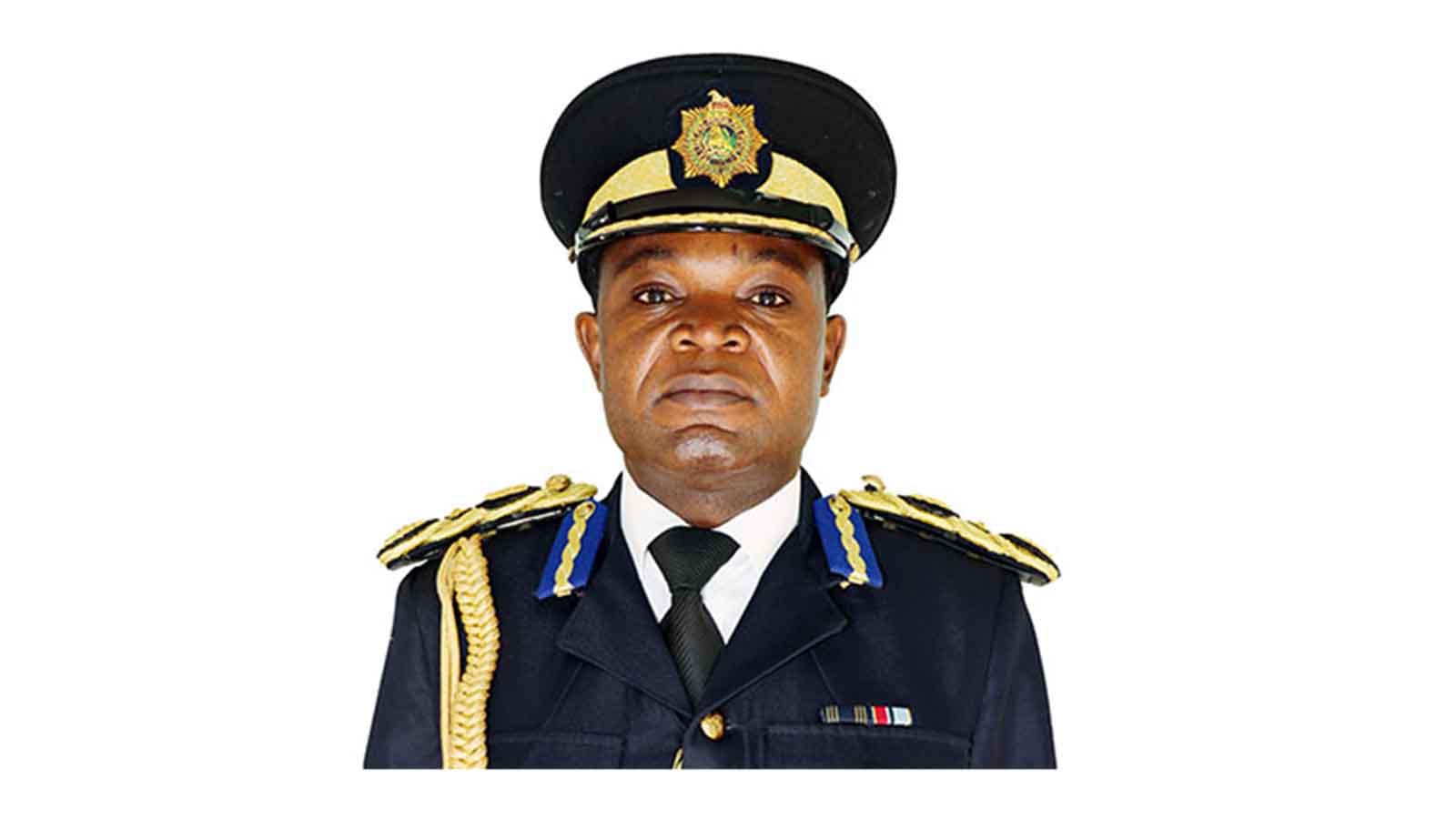
“The death toll is now 94. The ZRP’s deployment of search teams will continue as efforts to locate any missing persons or bodies continue,” he said.
With the Mbuya Nehanda no longer in service, Government is exploring alternative transport arrangements to ensure communities that depend on lake transport remain connected to essential services and economic activities.
Transport and Infrastructural Development Minister Felix Mhona said private operators could be permitted to operate on the route, subject to strict safety inspections and regulatory approval.
“We do not want to create another problem in trying to solve the current challenge. We have to make sure that the alternative transport is suitable and safe for passengers,” he said.
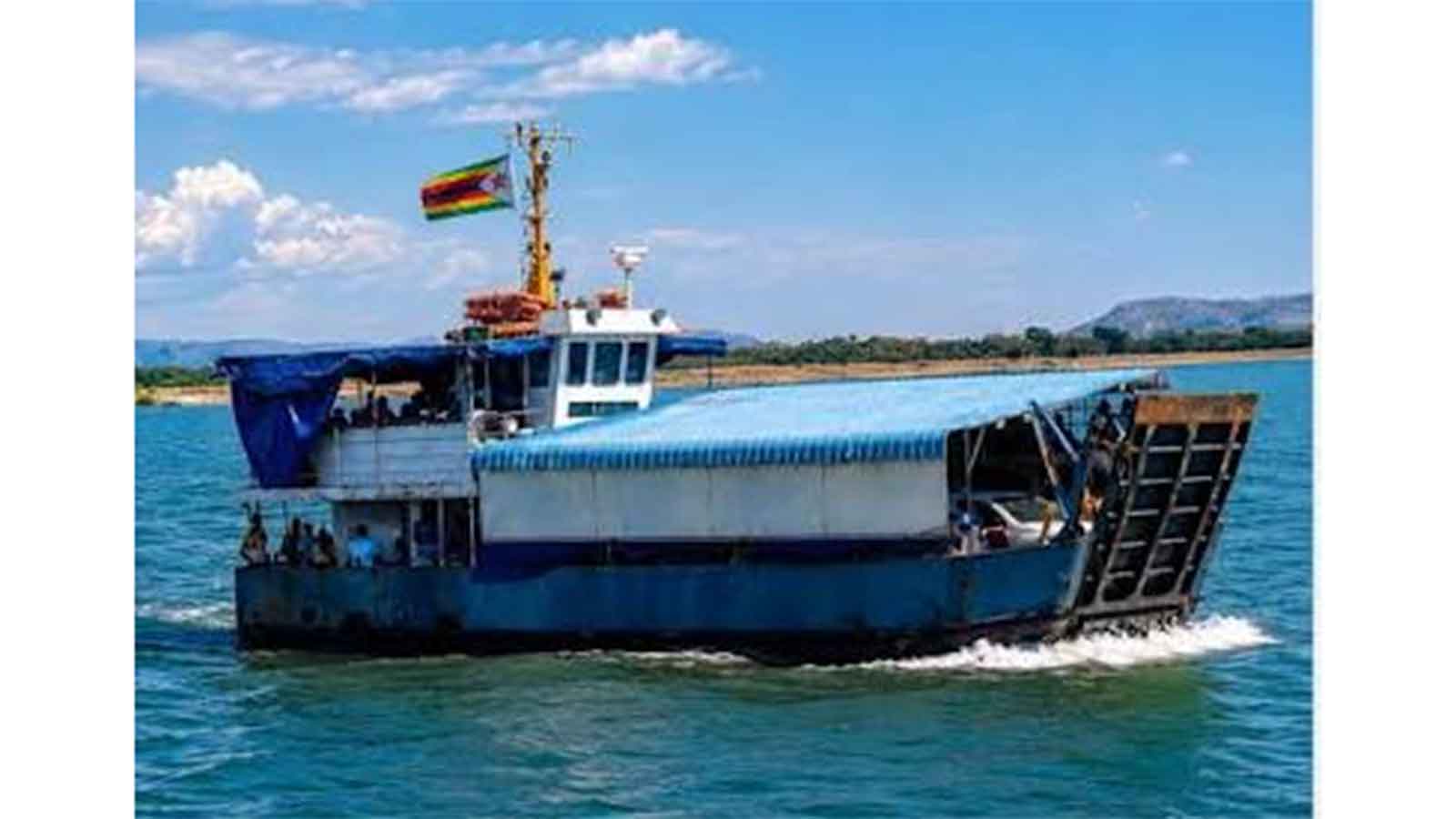
Private operators have already offered vessels to help fill the transport gap, with the Silverstone ferry among those being considered.
The vessels will undergo inspections by the Department of Inland Waters to determine their suitability and ensure that their design, equipment and safety systems comply with required standards.
Opening the route to private operators is expected to provide an immediate transport solution for residents of Mola, Chalala and remote fishing camps such as King’s Camp and Gache Gache, where ferries and boats are critical for moving people, food supplies, fish and other goods.
Communities along both the eastern and western shores of Lake Kariba also rely heavily on water transport to access schools, health facilities, shops and administrative services.
The disruption has already begun affecting livelihoods, with shortages of basic supplies reported in some areas while fish destined for urban markets risks spoiling due to interruptions in the cold chain, which depends on ice blocks transported by ferry from Kariba.
The restoration of passenger services is therefore being viewed as an urgent socio-economic necessity rather than merely a transport issue.
Calls are also growing for a more sustainable transport model on the increasingly busy Kariba-Chalala route, including the introduction of separate passenger and cargo services.
Such an arrangement could ease pressure on existing transport systems while supporting fishing operations and other economic activities around the lake.
The Government’s move comes as investigations continue into the circumstances surrounding the sinking of the Mbuya Nehanda.
The vessel was reportedly insured until 2027 and held a valid operating licence renewed in June, although investigators are expected to determine the relevance of these factors to the tragedy.
Experienced lake captains have also described the vessel as being structurally robust.
Captain Takemore Matambo said the materials used in the vessel’s construction were suitable for demanding marine conditions and suggested that the apparent survival of the hull after capsizing could be significant to investigators.
“In terms of the material used on the boat and the vessel structure, I would say it’s one of the strongest in Lake Kariba,” he said.
“If the material was not strong, the boat should have sunk to the bottom of the lake upon capsizing. It means the hull was not damaged. We wait for the findings of the investigations.”
Captain Crispen Mjokeri, who has navigated Lake Kariba for 26 years, also said the vessel’s structure appeared capable of withstanding considerable stress.
The observations are expected to form part of wider investigations into the cause of the capsizing and the circumstances that led to the loss of lives.
Meanwhile, the number of relatives gathered at the mortuary to identify deceased family members had noticeably declined yesterday, with some families collecting bodies for burial in their home districts.
One family was preparing to transport a relative’s body to Binga for burial.
As search and recovery efforts continue, authorities are expected to balance the urgent need to restore transport services on the lake with comprehensive safety assessments before alternative vessels are cleared to operate.
For communities such as Mola, Chalala, King’s Camp and Gache Gache, the introduction of private ferry operators could provide a critical lifeline while longer-term transport solutions are developed.
The disaster has also highlighted the need for a safe, reliable and sustainable lake transport system capable of ensuring the uninterrupted movement of people and goods while supporting the economic activities that depend on Lake Kariba.