Sikhumbuzo Moyo, [email protected]
GOVERNMENT has approved the establishment of the Veterans Microfinance Bank, a dedicated financial institution designed to improve access to affordable funding for liberation war veterans and transform their economic empowerment from a largely welfare-based model into a sustainable, investment-driven programme.
The new institution is expected to provide financing for agricultural projects, mining ventures, entrepreneurship and other income-generating activities, addressing a longstanding funding gap that has limited veterans’ ability to fully utilise land, mining claims and other productive assets allocated to them.
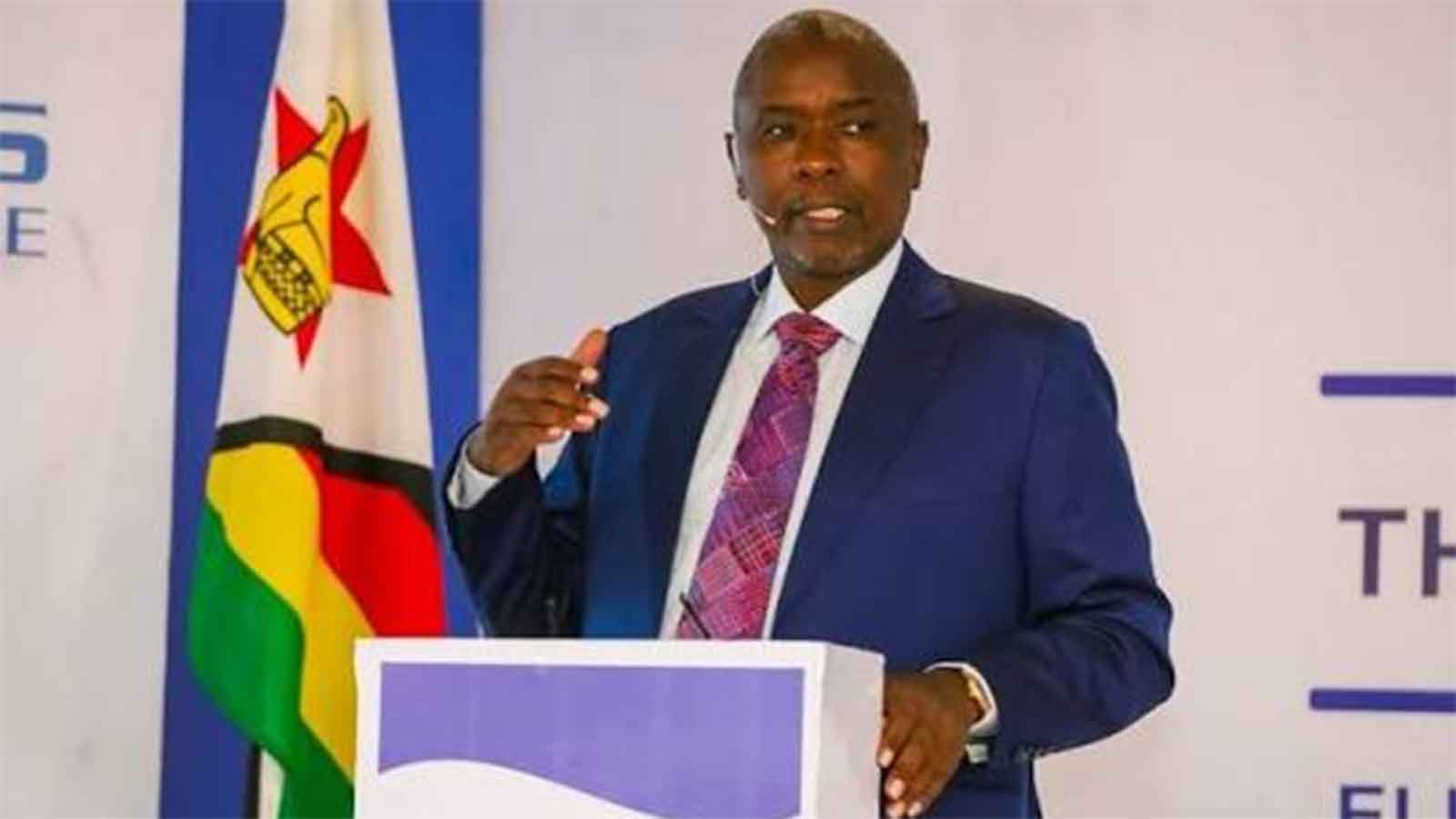
In his post-Cabinet briefing yesterday, Minister of Information, Publicity and Broadcasting Services, Dr Zhemu Soda, said Cabinet had approved the proposal presented by the Minister of Economic Development and Investment Promotion, Dr Kudakwashe Tagwirei, who is also the acting chairman of the Cabinet Committee on National Development Planning.
Dr Soda said Government recognised the sacrifices made by veterans of the liberation struggle in securing Zimbabwe’s independence and remained committed to safeguarding their welfare and promoting their socio-economic empowerment.
“The establishment of the Veterans Microfinance Bank as a dedicated microfinance institution is aimed at enhancing access to affordable and sustainable financing for Veterans of the Liberation Struggle. The initiative builds upon Government’s ongoing empowerment programmes in land allocation, mining, agricultural support and enterprise development,” he said.
Dr Soda said although existing empowerment programmes had created opportunities for veterans to participate in productive economic activities, limited access to affordable financing had continued to constrain the full utilisation of their assets and the sustainability of their enterprises.
The bank is therefore expected to bridge the financing gap, strengthen credit discipline, promote veteran-led entrepreneurship and facilitate the productive utilisation of allocated assets.
“Furthermore, the initiative will contribute to the sustainability of the Veterans of the Liberation Struggle Fund thereby transforming the empowerment of Veterans from a predominantly welfare-based approach into a self-sustaining, investment-driven model,” said Dr Soda.
The institution will initially operate as a licensed microfinance bank under the regulatory framework of the Reserve Bank of Zimbabwe (RBZ), with a phased transition over three to four years towards becoming a fully-fledged, deposit-taking and digitally enabled financial institution.
Its establishment will follow a structured process involving licensing, setting up governance structures, pilot operations, digital expansion and eventual national rollout.
Government will provide funding for the institution, which will operate as a special-purpose financial inclusion vehicle under the Veterans Investments Holding Company (VIHC).
It will receive technical and institutional support through a mothering arrangement with the People’s Own Savings Bank (POSB).
“It will be a wholly-owned subsidiary of VIHC and will leverage Veterans-owned commercial assets to support its operations and lending,” said Dr Soda.
The bank’s proposed financial products will include agribusiness loans, order financing, personal loans, group lending and emergency loans.
These will be complemented by financial literacy programmes and digital financial services aimed at improving financial inclusion and promoting responsible borrowing.
The primary beneficiaries will be veterans of the liberation struggle, including women and youth, although services may also be extended to members of the general public where appropriate.
Cabinet noted that the proposed institution was consistent with Section 23 of the Constitution of Zimbabwe and drew lessons from international models, including the Philippine Veterans Bank, Zigama Credit and Savings Bank of Rwanda and Uganda’s Wazalendo Savings and Credit Cooperative Society.
The bank is expected to build on existing productive assets, including land, mining claims and entrepreneurial ventures, through financing arrangements specifically designed to unlock their economic potential.