

 Online Reporter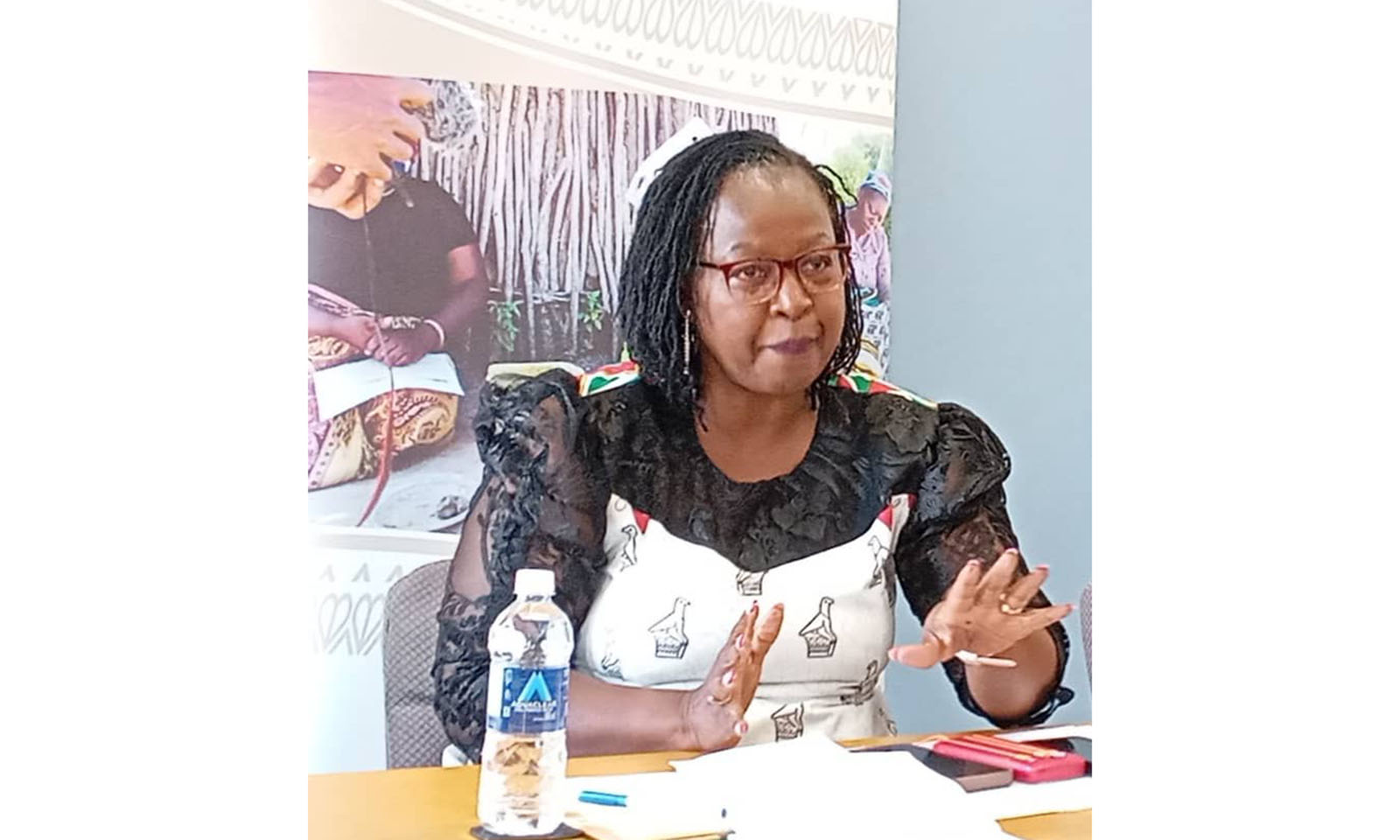
Ivan Zhakata
Herald Correspondent
SENIOR Government officials and arts sector representatives met last Friday to address long-standing regulatory hurdles and operational challenges that have stifled artistic growth for years.
The high-level dialogue, convened by the Performance Arts Network of Empowerment Leaders Zimbabwe (PANELZ) with support from the Culture Fund and the European Union, was held at the Unesco Zimbabwe offices in Harare.
Held under the theme “Ease of Doing Business in the Creative Cultural Industries,” the engagement brought together representatives from key government ministries — including Sport, Arts and Recreation; Primary and Secondary Education; Social Services; Higher and Tertiary Education; Home Affairs and Cultural Heritage; and Finance and Economic Development — alongside regulatory bodies such as the National Arts Council of Zimbabwe (NACZ), Zimbabwe Revenue Authority (ZIMRA) and the Censorship Board.
At the heart of discussions was the urgent call to streamline the complex and often duplicative licensing and vetting processes faced by artists.
Participants decried the burden of undergoing multiple approvals from different institutions for a single project, which often leads to costly delays.
“The engagement was a step towards finding new ways to work together so that the sector thrives,” said PANELZ executive director Tafadzwa Muzondo.
“We are happy that officials turned up in their numbers and were willing to listen and work with artists from various sectors.”
Muzondo said the meeting’s goal was to find common ground and develop ways to relieve artists from the heavy burden they face when trying to host events and conduct business.
Another key concern was the high cost of multiple licensing fees, which participants said remains a major barrier for emerging artists. This comes at a time when the government has rationalised fees in other sectors to promote ease of doing business.
National Gallery of Zimbabwe executive director Raphael Chikukwa also raised the issue of excluding practicing artists from teaching in academic institutions due to lack of formal qualifications.
He cited veteran artist Tapfuma Gutsa, who was reportedly barred from teaching at Harare Polytechnic despite his vast experience.
“It is sad that we have academics teaching art instead of giving that job to artists,” said Chikukwa.
He contrasted Zimbabwe’s approach with international institutions that employ practicing artists as lecturers based on talent and experience.
He also cited the example of Stimela, a backing vocalist for Jah Prayzah, who recently lectured in Germany on traditional hosho instruments.
Stakeholders further called for a tailor-made social security scheme suited to the unpredictable income patterns of artists, to ensure their welfare and dignity in old age.
Dr Biggie Samwanda, the director of Arts, Culture Promotion and Development in the Ministry of Sport, Arts and Recreation, said the Government’s multi-ministry approach was deliberate and strategic.
“This is why we’ve involved our representatives through a whole-of-government approach. If certain matters affecting the sector fall under other ministries, we—as your parent ministry—take responsibility and ensure those ministries are brought into the conversation,” he said.
His colleague, Dr Eugenia Chidhakwa, Chief Director in the same ministry said there was a need for a “one-stop shop” system to make processes more efficient.
“The current process is inefficient, forcing performers to spend most of their time securing numerous permits and documents from different entities, which compromises the quality of their final product,” she said.
Dr Chidhakwa said the meeting marked the start of a structured, ongoing dialogue between the Government and the creative sector.
“The immediate way forward is for the arts sector to consolidate all its challenges into a single document,” she said.
“Once received, the various government ministries and parastatals will review these issues internally and jointly craft practical solutions.”
The meeting has been hailed as a milestone in the quest to reform the creative cultural industries and foster a more enabling environment for Zimbabwean artists to thrive.



