Vusumuzi Dube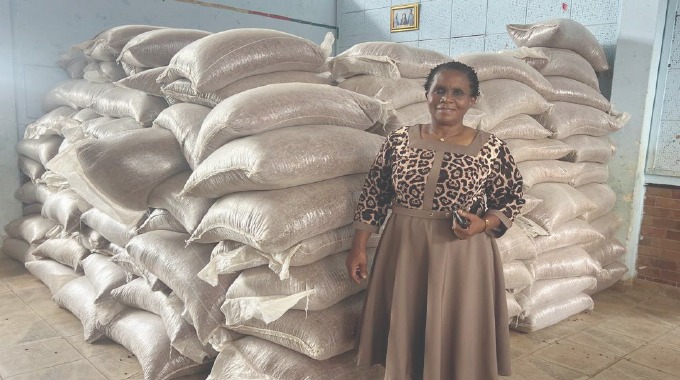
Sukulwenkosi Dube-Matutu, [email protected]
THE Government has allocated 40 tonnes of sugar beans for distribution to primary schools across Matabeleland South Province under the national school feeding programme, a move expected to further strengthen learner attendance, nutrition and classroom performance.
Introduced in 2024 in response to food insecurity caused by the El Niño-induced drought, the programme has become a critical intervention in rural communities where many learners travel long distances to school, often without food.
Education authorities say the provision of one hot meal a day has significantly reduced absenteeism while improving learner concentration and participation in class.
Matabeleland South provincial education services chief director Beatrice Manjere said all seven districts in the province have already started collecting their allocations.
“We have received 40 tonnes of sugar beans for relish under the school feeding programme.
“All seven districts will benefit and they have collected. This allocation is for primary schools, but secondary schools are also being fed through intervention from partners like CAMFED, which is supporting schools to establish home-grown nutrition gardens for feeding,” she said.
Mrs Manjere said that while the Government is providing sugar beans, schools are expected to source mealie meal and complement the programme through local livelihood projects to ensure sustainability.
“With the provision of sugar beans as relish, schools will need to source mealie meal and cook a balanced meal for the children. This school feeding programme helps to attract and motivate learners to come to school because when they know they will eat at school, they become eager to attend lessons,” she said.
At Sengezane Primary School, the School Development Committee (SDC) chairperson, Mrs Sikhathele Ndlovu, said the programme has already transformed attendance patterns.
“Some children leave home at 5 AM and arrive at school at around 7.30 AM. This distance on its own is taxing and it becomes worse if children haven’t eaten. It makes learning a burden. With the food they get from school, they can get through the day,” she said.
Mrs Ndlovu added that sugar beans will help sustain feeding efforts and ease pressure on vulnerable households.
A parent from Ntalale Primary School, Ms Beauty Moyo, said school meals are helping parents send children to school with confidence.
“We want our children to attend school, but sometimes sending them on an empty stomach feels like burdening them. If children can get food at school, we are encouraged to send them and believe they will perform better,” she said.
Ms Moyo said food support also helps protect vulnerable children, especially girls, from social risks linked to poverty.
According to the Ministry of Primary and Secondary Education, ongoing monitoring shows a strong link between regular school meals and improved attendance, particularly in rural areas.
The intervention was informed by findings from the Zimbabwe Livelihoods Assessment Committee (ZimLAC) 2024 report, which highlighted urgent food and nutrition needs in drought-affected communities.
Under the programme, the Government provides grain while parents mobilise resources for relish, creating a shared model that is helping schools retain learners and improve educational outcomes.



 Online Reporter