Judith Phiri [email protected]
URBAN farmers in Bulawayo have been urged to adopt climate-smart agricultural practices and strengthen their preparedness for the anticipated El Niño phenomenon, which is expected to bring below-normal rainfall and heighten the risk of prolonged dry spells during the 2026/27 agricultural season.
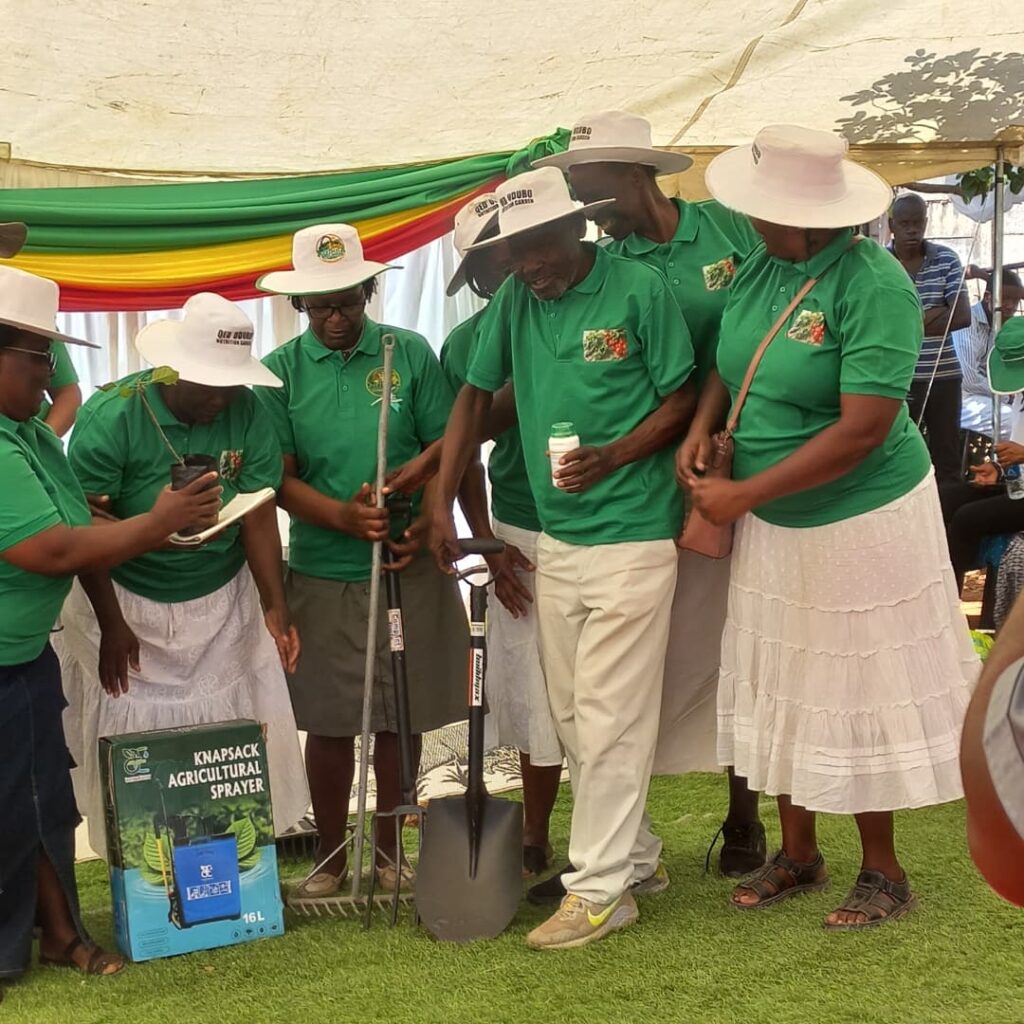
Farmers have been encouraged to prioritise drought-tolerant crops, water harvesting, efficient irrigation methods and proper soil moisture conservation to minimise potential crop losses and sustain food production amid changing weather patterns.
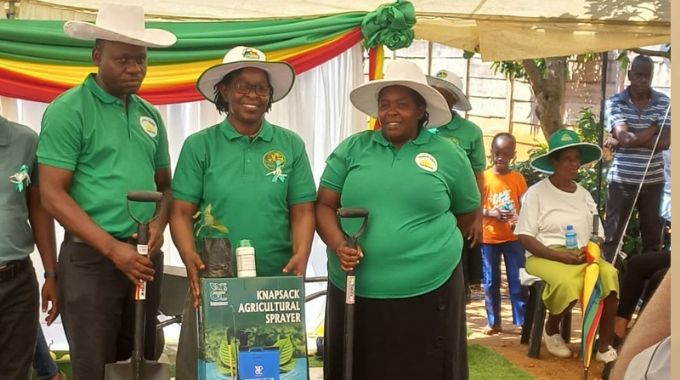
In a speech read on behalf of the Minister of State for Provincial Affairs and Devolution for Bulawayo, Judith Ncube by Deputy Director for Coordination Ms Beaulah Gwaze at the Sizinda Green Garden Field Day on Friday, she said the El Niño conditions call for them not to panic.
“We gather under a very important theme: “Climate change resilient gardening: unlocking small spaces for sustainable livelihoods and community growth” and this proves to be a relevant driving theme as we head into an impending El Nino phenomena.
“It is characterised by hotter temperatures, reduced and erratic rainfall, water shortages and a greater risk of fires. These conditions call for us not to panic but to timely prepare and set up resilience measures as farmers to curb against harsh effects of the dry season,” she said.
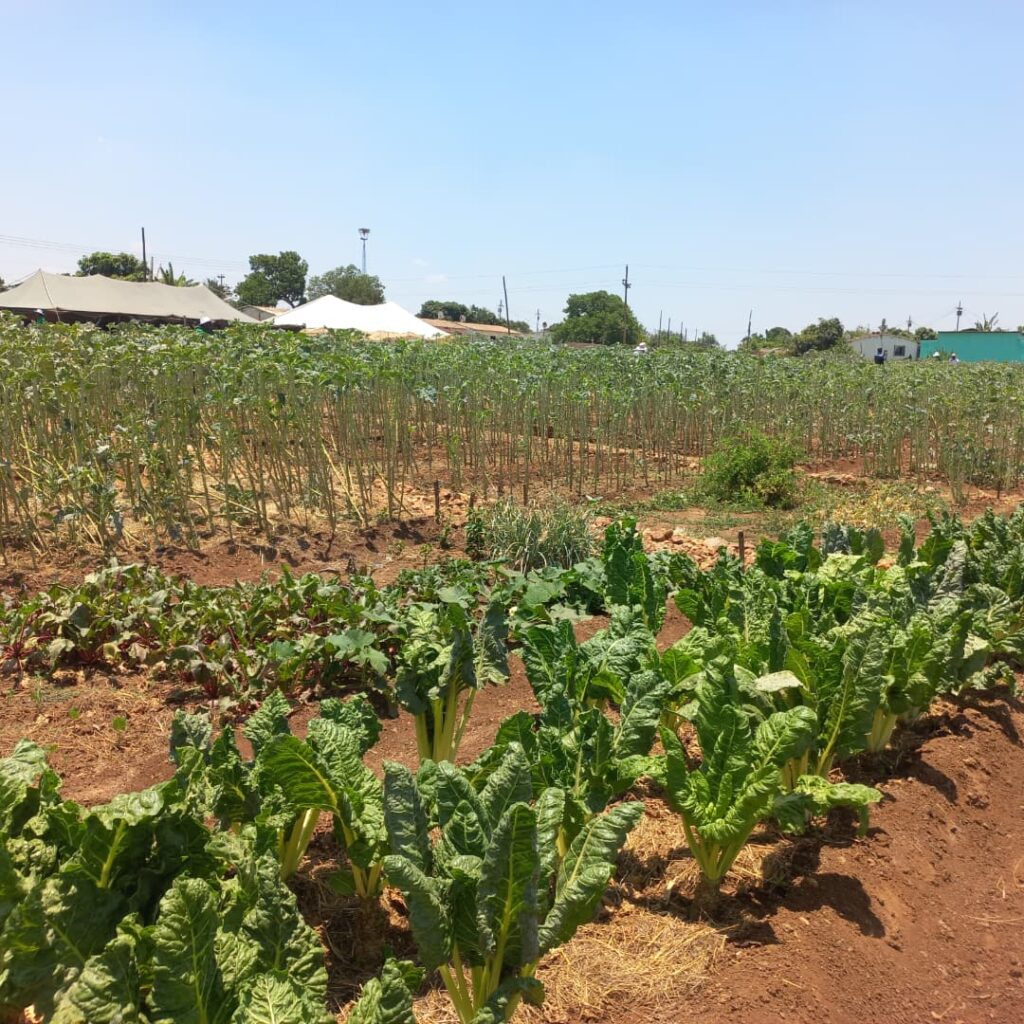
She said the Sizinda Green Garden was far more than a patch of vegetables and small stock production site but it was a source of nutritious food for families, a source of income for many households and a platform where farmers in the neighbourhood learn from one another.
The Minister said urban and peri-urban gardens like this one play a vital part in improving livelihoods and strengthening food and nutrition security for the people of Bulawayo.
“I commend the commitment and dedication of this garden beneficiaries for effortlessly improving this garden each day to what it is today, this is plausible. Our Government will continue supporting such initiatives to ensure we are able to feed ourselves as urban dwellers.
“Let me therefore speak directly to the gardeners and farmers present. Water is life and every drop does count. Let’s use water wisely by harvesting and storing rainwater whenever it falls,” she added.
“Healthy soil holds moisture for longer so I urge you to mulch your beds, make and use compost and keep the soil covered. These simple practices reduce water loss and give better yields at little cost. It is critical at this moment to follow religiously the daily weather so as to make informed agricultural decisions.”
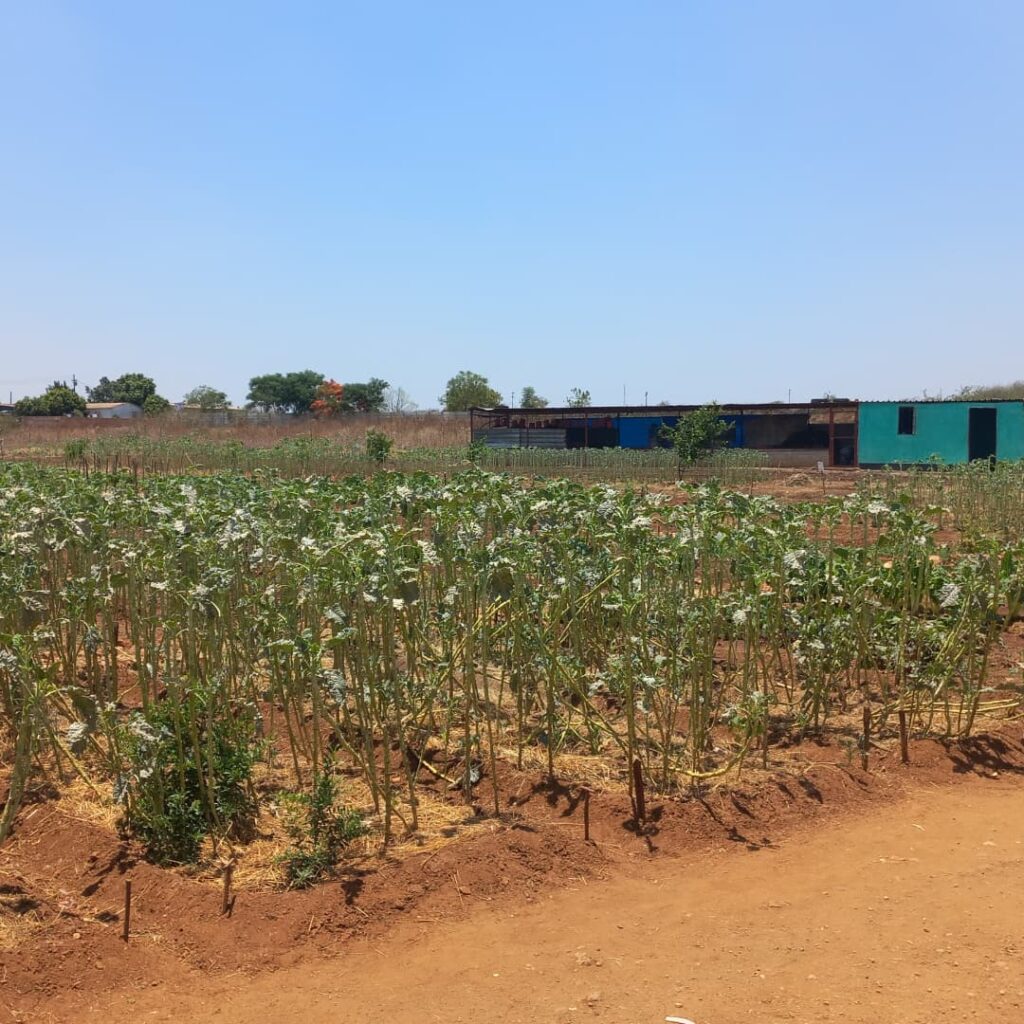
She also encouraged dryland farmers to embrace climate-smart agriculture in their small plots as this is a technologically proven method to ensure maximum yields in dry conditions.
Minister Ncube said the field day is where farmers and gardeners put ideas and agricultural advisories into practice, while looking closely at what their fellow gardeners did and take a leaf from that.
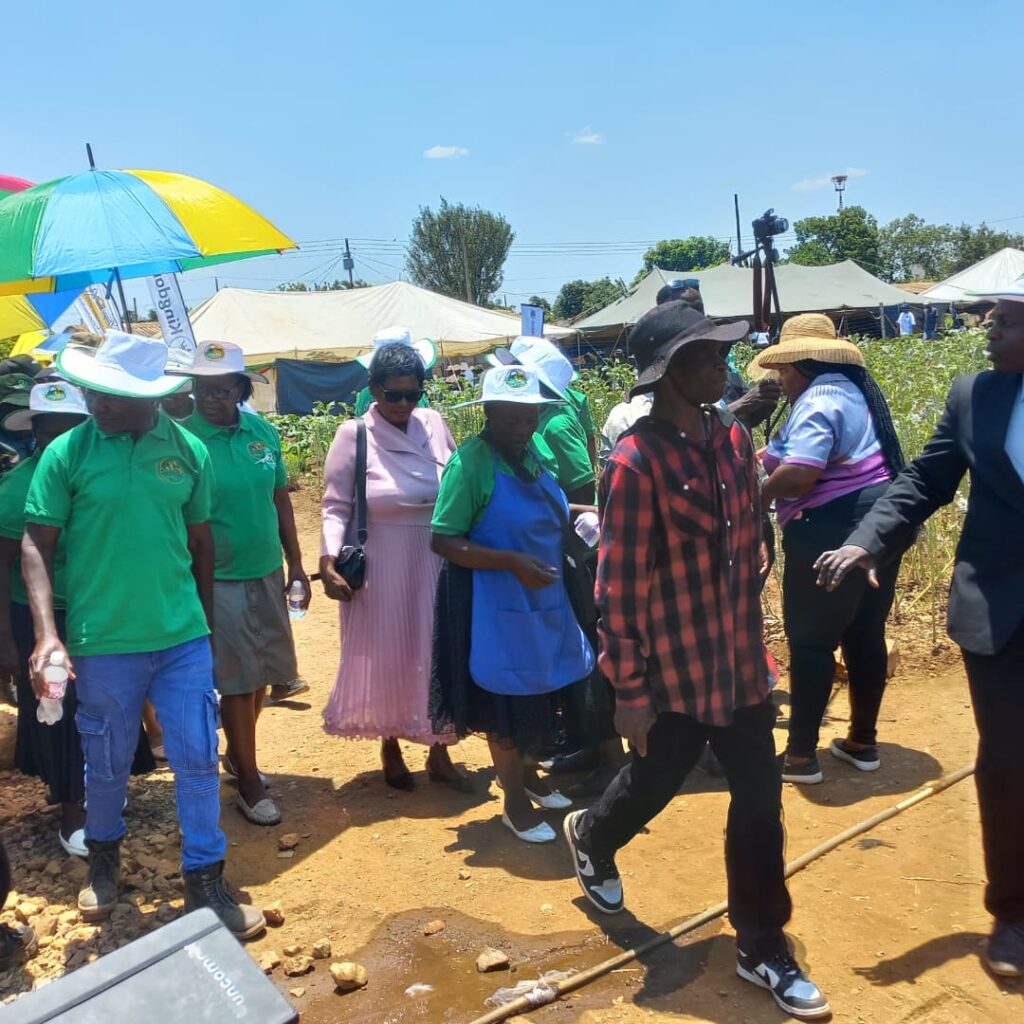
“From the field tour you might have realised how the increased temperatures coupled with limited underground water had an effect on what looked like a healthy crop initially. These failures make us grow as farmers so that we do better next time in the face of climate variability.”
She said farmers may not control the weather but they can prepare for its possible effects, while they may face resource constraints but they can use available resources more strategically and economical.
The Minister said they may encounter emerging risks but they can reduce their impact through timely information, sound decisions and coordinated action.
“Our success must ultimately be measured by the crops harvested, the food available to households, the livestock and other productive assets protected and the resilience we build in our communities. Let us therefore approach this season with a shared sense of purpose,” she added.