Elita Chikwati
Agriculture News Editor
THE Government has called for water and infrastructure projects that stimulate agricultural production, employment creation, industry and economic development.
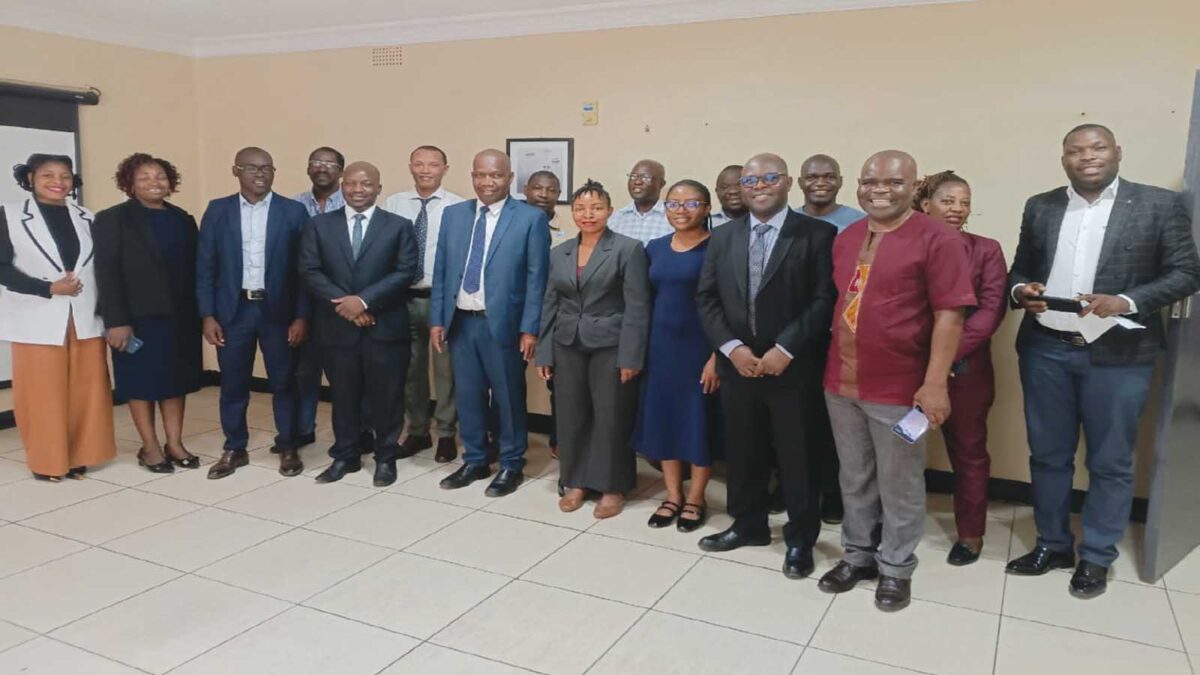
This came out at the ongoing National Training on Developing a Climate-Resilient Water Investment Programme (CRWIP) for Zimbabwe, being conducted by the African Union Commission.
The training programme started yesterday and ends on Friday.
The workshop brings together ministries, water institutions and development partners to strengthen capacity to identify priority investments and build a pipeline of bankable climate-resilient water projects.
Officially opening the workshop on Monday, Water Resources, Irrigation Development and WASH (Water, Sanitation and Hygiene) coordination chief director, Engineer Tinayeshe Mutazu, said water was an economic enabler central to food and energy security, industrialisation and national development.
He said water investments must be planned with climate change in mind.
“Zimbabwe has invested significantly in dams, irrigation infrastructure, boreholes and water supply systems. But we must ask ourselves some difficult questions.
“Are we getting full value from these investments? Are our dams translating into productive irrigation? Are our water supply systems resilient enough to withstand droughts? Are we investing in infrastructure that can be maintained and sustained?
He said major dam investments should be resilient, sustainable, translate into productive enterprises and improve community livelihoods in line with Vision 2030, NDS2 and the national agricultural transformation agenda, which demand greater water security, expanded irrigation and reliable WASH services.
“We must move beyond measuring success by infrastructure completion… We must measure success by the economic activity and livelihoods that infrastructure supports,” he said.
“The National Water Roadmap Dialogue held just last week has further reinforced the need for coordinated planning and implementation. What we require now is to translate these priorities into investments that can attract financing and deliver results,” he said.
He called for stronger partnerships with development finance institutions, the private sector and cooperating partners to ensure sustainable and successful investments.
African union Commission Climate Change and Meteorology policy officer, Ms Pamela Levira, said the workshop followed the endorsement of the Africa Water Vision 2063 and Policy by Heads of State in February.
She said the AU’s 2026 theme of the year on Water and Sanitation required authorities to translate continental commitments into practical action.
“Water is central to Zimbabwe’s development. It supports agriculture, food security, energy generation, public health, mining, industry and livelihoods. Climate variability, floods and droughts place additional pressure on water resources and infrastructure, reinforcing the need for investments that strengthen resilience and deliver lasting benefits.
“Meeting these needs requires more than identifying projects. It requires a coherent investment plan, clear priorities, strong institutional coordination and well-prepared proposals capable of attracting public, private, development and climate finance,” she said.
Ms Levira said the AU Commission will work closely with the Government, the Global Water Partnership and other partners to support follow-up on the roadmap, investment prioritisation and progressive preparation of projects for financing.