Nqobile Bhebhe
Zimpapers Business Hub
THE Government is targeting an additional 297 megawatts into the national grid by December this year, through expanded generation aimed at providing a lasting solution to load shedding.
A further 3 396 MW are in the pipeline for commissioning between 2027 and 2030.
These additions form part of a broader US$9 billion energy investment programme targeting generation and transmission infrastructure.
The investment drive, anchored on increased private-sector participation, rehabilitation of ageing infrastructure and expanded electricity imports, is expected to progressively strengthen supply reliability and reduce the risk of power supply interruptions.
Energy and Power Development Minister July Moyo told Parliament last week that the country had recorded 325 consecutive days without load-shedding attributable to power supply unavailability as at November 10.
He said this reflected the positive impact of interventions to improve domestic generation and supplement supply through the Southern African Power Pool (SAPP).
“The country has witnessed no load shedding attributable to power supply unavailability for a continuous 325 days as at November 10, 2026.
“This has been underpinned by fruitful interventions extended to support local generation as well as deliberate utility strategies to exploit the Southern African Power Pool for additional imports to complement local generation,” he said.
Minister Moyo was responding to an oral question with notice in Parliament regarding the measures and timelines the Government has adopted to improve electricity supply reliability and progressively reduce load-shedding.
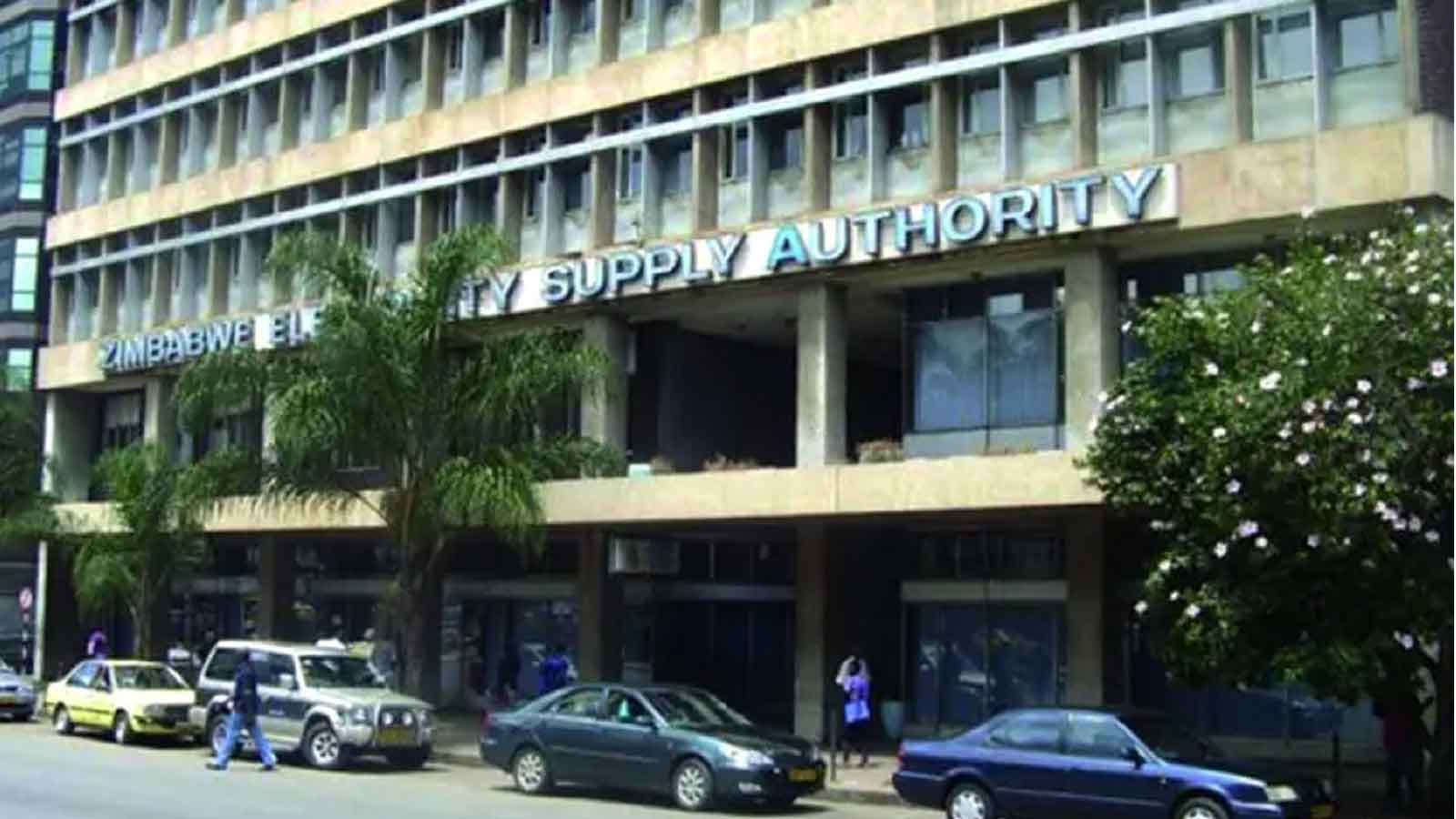
He said the Government and ZESA were committed to sustaining the gains achieved in the power sector.
“The Government and ZESA are committed to rendering load shedding a phenomenon of the past that will not be allowed to resurface.”
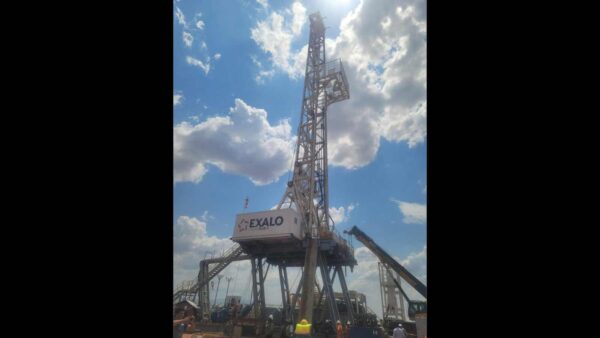
A major pillar of the strategy is expanding generation capacity through independent power producers (IPPs) and commercial and industrial (C&I) investments, which have become increasingly important in supplementing electricity supplied by the national utility.
Minister Moyo said private-sector generation investments had resulted in installed capacity of 584MW over the past five years, representing 17 percent of the country’s total generation capacity of 3 275MW.
This marks a significant increase from previous years when IPPs and C&I projects contributed less than five percent of installed capacity.
The contribution is expected to rise further following the commissioning of new projects.
“Q4 of 2026 will witness a total of 297MW newly commissioned generation into the system, all from private sector generation investment initiatives to push contribution by IPPs and C&I generation capacity to 27 percent of total installed capacity,” he said.
Beyond the immediate additions, the country has a substantial project pipeline expected to strengthen electricity security over the medium term.
“The sector has a project pipeline of more than 3,396MW expected online between 2027 and 2030.”
The Government is seeking to sustain investor interest through policy and regulatory measures that improve the viability of electricity projects.
These include the National Energy Compact, which has a US$9 billion resource envelope to be mobilised equally by the public and private sectors for investments in generation and transmission infrastructure.
Minister Moyo said the adoption of a bankable end-use electricity tariff of US$0,1607 per kilowatt-hour had also improved the attractiveness of investments by providing returns that were previously constrained by non-cost-reflective tariffs.
Government Project Support Agreements are also being used to reduce currency and debt repatriation risks, while sector reforms have opened opportunities for private participation, third-party grid access and offtake arrangements for IPPs, captive power producers and C&I investors.
Another critical intervention is the refurbishment of Hwange Power Station’s Units 1 to 6, with Hwange Unit 5, which has a generation capacity of 160MW, expected back in service by mid-2027.
The Government also acknowledges that improving electricity availability must be matched by investments in transmission and distribution infrastructure to ensure generated power reaches consumers reliably.
“The Government is pursuing measures to increase investment in transmission and distribution to ensure safe and reliable delivery of generated power to end users,” Minister Moyo said.
Among the measures is opening the electricity distribution market to independent distribution and retail licensees, allowing private-sector operators to supply underserved urban and rural communities.
The initiative is supported by Statutory Instrument 128 of 2026, which allows private developers to provide electricity backbone infrastructure, with third-party access to the national grid.