


 malvernmugadzikwa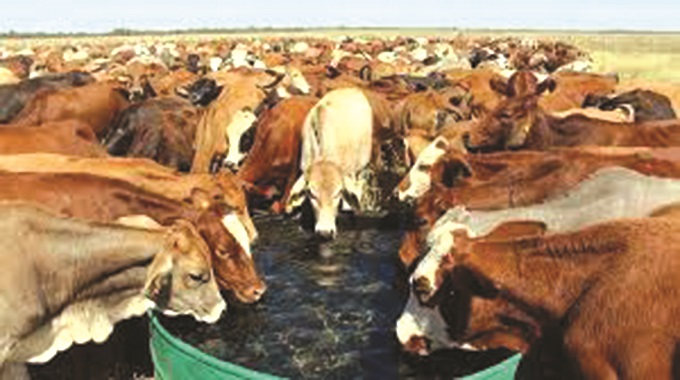
Emmanuel Kafe
CLOSE to 600 cattle have been distributed to provincial integrated youths skills development centres across the country, under the Presidential Heifer Pass-On Scheme.
The initiative, launched by President Mnangagwa in 2022, is aimed at restoring the livelihoods of rural households that were devastated by the January disease (theileriosis) outbreak in recent years.
According to the latest Agricultural and Rural Development Advisory Services (Arda) report on the initiative’s progress, 590 beef cattle have been distributed to nine provinces.
Distribution of the livestock is yet to commence in Mashonaland Central province. The distributed cattle comprise cows, heifers, bulls, steers and calves.
The scheme is designed to ensure food security and nutrition for vulnerable communities, with beneficiaries expected to pass on calves from the cattle they would have received to others, to sustain the initiative.
“Launched by President Mnangagwa in February 2022, a total of 590 beef animals were distributed against a target of 710 to nine provinces (Mashonaland Central has not yet received),” reads the report.
“Current herd stands at 693 animals comprising 203 cows, 204 bulling heifers,12 bulls, 36 steers, 45 weaner males, 92 weaner heifers and 101 calves.”
Youths in Mashonaland East and Harare provinces have collectively received 177 cattle, which are currently being kept at the Grasslands Research Station. Their counterparts in Matabeleland South have received 103 cattle, which are being kept at Shangani Ranges Farm; while in Matabeleland North, 98 cattle have been delivered to Sedgwick Farm. In Mashonaland West, 75 cattle have been allocated to youth hubs and are currently at Oldham Farm in Chegutu.
Youths in Midlands province have taken delivery of 71 cattle being kept at the Midlands State University; while in Manicaland province, youths have received 64 cattle, which are at Arda’s Transau Farm in Odzi.
Masvingo has the smallest herd, 28 cattle, currently being kept in Triangle.
The initiative is expected to provide a lifeline for rural communities grappling with the aftermath of the January disease outbreak, which claimed an estimated 500 000 cattle since 2016.
The Government has since rolled out the Livestock Recovery and Growth Plan to address challenges relating to animal health, nutrition and genetic makeup.
The authorities have also increased
production of the Bolvac vaccine for the January disease to 900 000 doses this year, up from 300 000 in 2023, underscoring the Government’s commitment to combating the
disease.



 Bongani Ndlovu
 Online Reporter