Online Reporter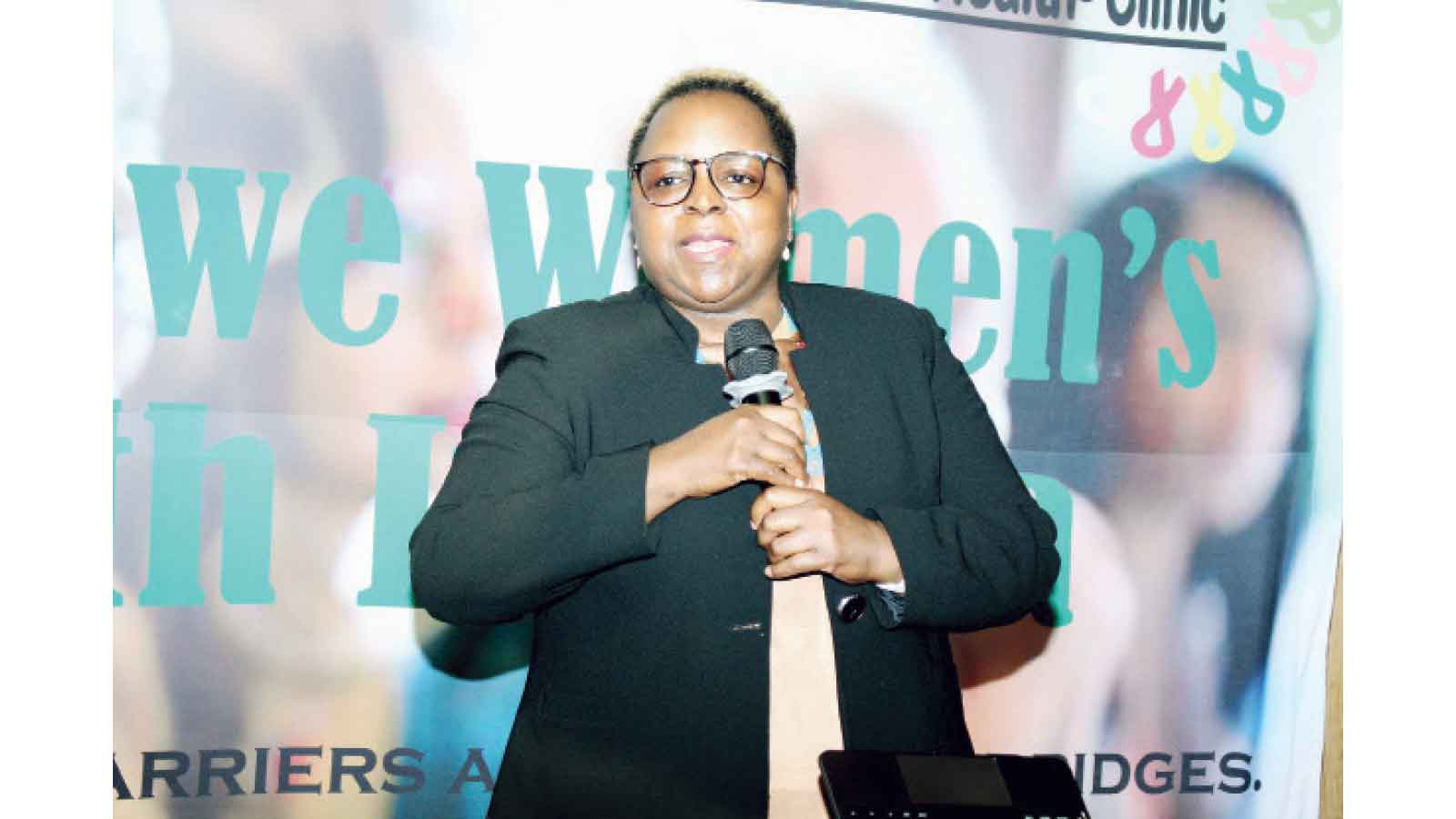
Alicia Kadzviti
Herald Correspondent
GOVERNMENT is accelerating the decentralisation of cancer screening, diagnosis and treatment services across the country in a bid to eliminate geographic and financial barriers hindering women’s access to healthcare, a senior official has said.
Speaking on behalf of the Minister of Health and Child Care, Dr Douglas Mombeshora, at the second Zimbabwe Women’s Health Indaba in Harare on Saturday, Parirenyatwa Group of Hospitals chief medical officer Dr Tsitsi Magure said rural women continued to suffer disproportionately from delayed diagnoses.
“A woman in a rural district hears an alarm, but the clinic is far away. She hears rumours instead of facts and, by the time she reaches for help, the disease has advanced. That is a barrier we must break,” said Dr Magure.
“Through our National Cancer Control Plan and the National Health Strategy, we seek to decentralise cancer services. The goal is simple: screening, diagnosis and treatment should not require a trip to Harare alone.”
Dr Mombeshora also revealed that revenue collected under the national sugar tax is being channelled towards strengthening local cancer infrastructure and procuring critical equipment, including radiotherapy machines, CT scanners and chemotherapy drugs.
“Through the sugar tax, we are deliberately saying that if we consume sugar, part of that should go towards fighting diseases such as cancer. Those few cents are now buying radiotherapy machines, CT scanners and chemotherapy drugs.”
The ministry is simultaneously investing in training specialist personnel, such as oncologists, radiologists, pathologists and medical physicists, to ensure sustainable local clinical capacity. The intervention comes as medical experts warn of a rising national cancer burden.
Presenting data at the indaba, oncologist Dr Arthur Nyakabau reported that Zimbabwe records more than 16 000 new cancer cases and approximately 10 000 cancer-related deaths annually, with cervical cancer remaining the leading killer among women despite being preventable.
Dr Nyakabau stressed that while the country possesses the necessary medical tools, including HPV vaccines, screening tests and treatment regimens, expanded coverage, stronger financing and public participation are critical to reducing mortality.
Held under the theme, “Breaking Barriers and Building Bridges”, the multi-sectoral symposium brought together policymakers, financial experts, psychologists and faith leaders to push for a holistic approach to women’s well-being.
Zimbabwe Assemblies of God Africa Archbishop Dr Eunor Guti said women’s health should also embrace spiritual well-being, with churches complementing medical services through counselling and emotional support .
“The body is God’s gift, and it needs to be healthy in order to fulfil its purpose. The church and health professionals are partners working together for the well-being of women.”