Wendy Nyakurerwa-Matinde
GOVERNMENT has a comprehensive framework aimed at transforming Zimbabwe’s media sector into a gender-responsive, ethical and financially sustainable industry, a senior official has said.
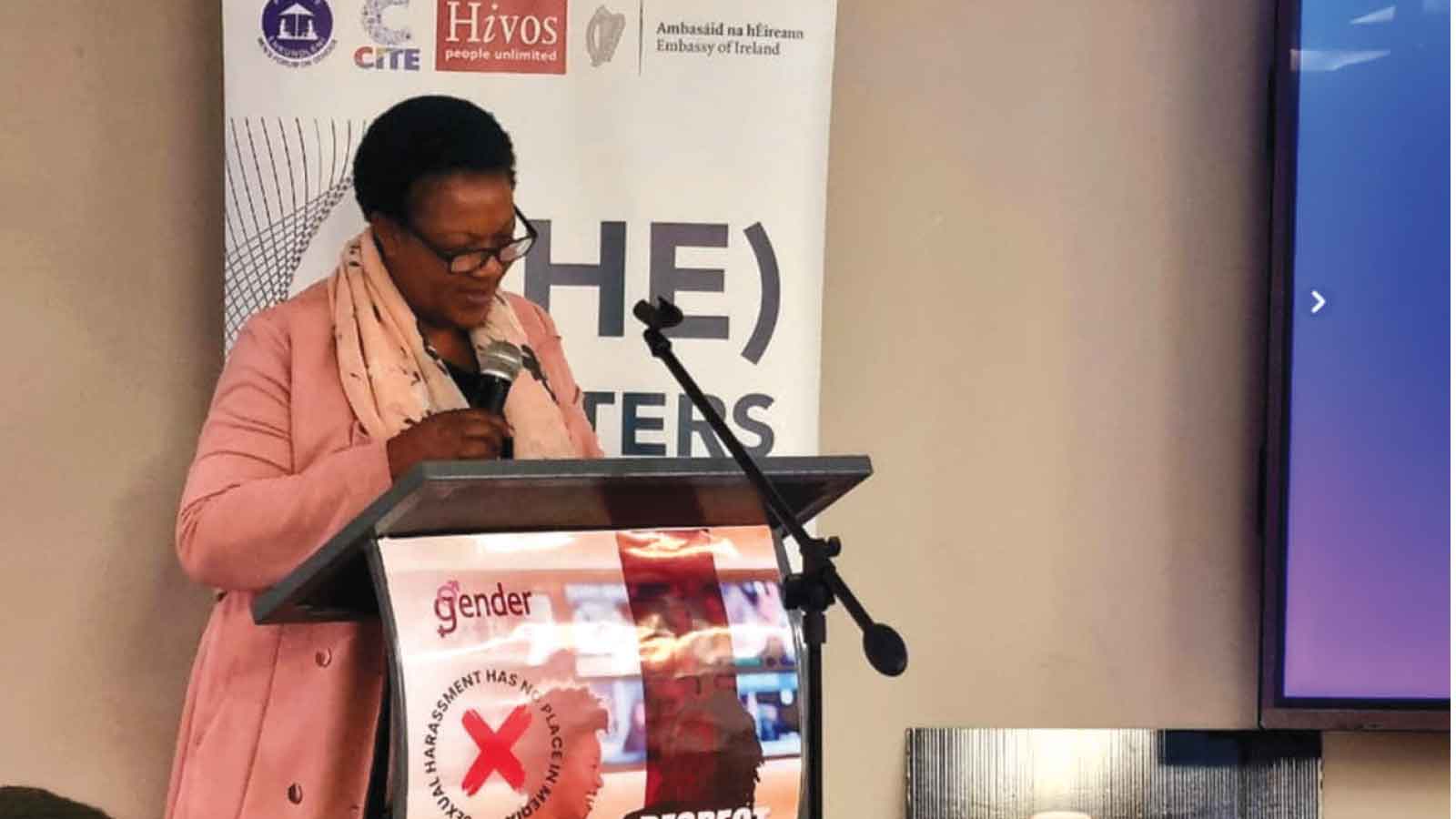
Addressing female journalists at the Re-energising the Women’s Media Network of Zimbabwe event organised by Gender and Media Connect and Women in News in Harare yesterday, Dr Nanette Silukhuni, Director for Strategic Planning, Performance Monitoring and Evaluation in the Ministry of Information, Publicity and Broadcasting Services, highlighted Zimbabwe’s policies and frameworks for advancing gender equality in the media sector.
Dr Silukhuni said the Constitution enshrines gender balance, equality and freedom of expression.
“The Ministry of Information believes that a transformed, ethical, financially sustainable and gender-responsive media sector is the cornerstone towards the attainment of the National Development Strategy 2 (NDS2) and Vision 2030.
“The media is a strategic sector. It safeguards democracy, promotes national cohesion, informs and educates citizens, and drives the creative economy. It is, therefore, the duty of Government to provide a clear, enabling and accountable policy and legal framework that allows the media sector to thrive,” she said.
Dr Silukhuni said the push for reform is anchored in Zimbabwe’s supreme law, the Constitution of Zimbabwe.
She went on to highlight the Zimbabwe Media Policy, which was officially launched by President Mnangagwa last year.
Among other key issues, the policy seeks to create opportunities for women to participate in and lead the media industry, and to support equal representation, empowerment and protection from discrimination.
“As a result of the policy implementation, we have witnessed an influx of radio and freelance content creators, with women dominating the space,” said Dr Silukhuni.
She said the Government’s commitments also align with regional obligations, including the SADC Protocol on Gender and Development, particularly Article 18, which requires parties to take measures to achieve 50 percent representation of women in media and to discourage gender discrimination and stereotyping.
She also commended President Mnangagwa for the progress made in the appointment of women to leadership and decision-making positions across various sectors. Senior roles occupied by women include the Chief Justice, President of the Senate, Attorney-General, several Cabinet Ministers and many others, which is evidence of a commitment to equal opportunity.
“Clearly, Government has established the policy and legislative framework. Government has enacted the laws and created opportunities.
“I now call upon women in the media to become the custodians of implementation. Lead with integrity, excellence, innovation and dignity. Let us continue to tell the Zimbabwean story with professionalism, courage and patriotism,” she said.