Chronicle Editor
From Paidamoyo Chipunza in Bengaluru, India—
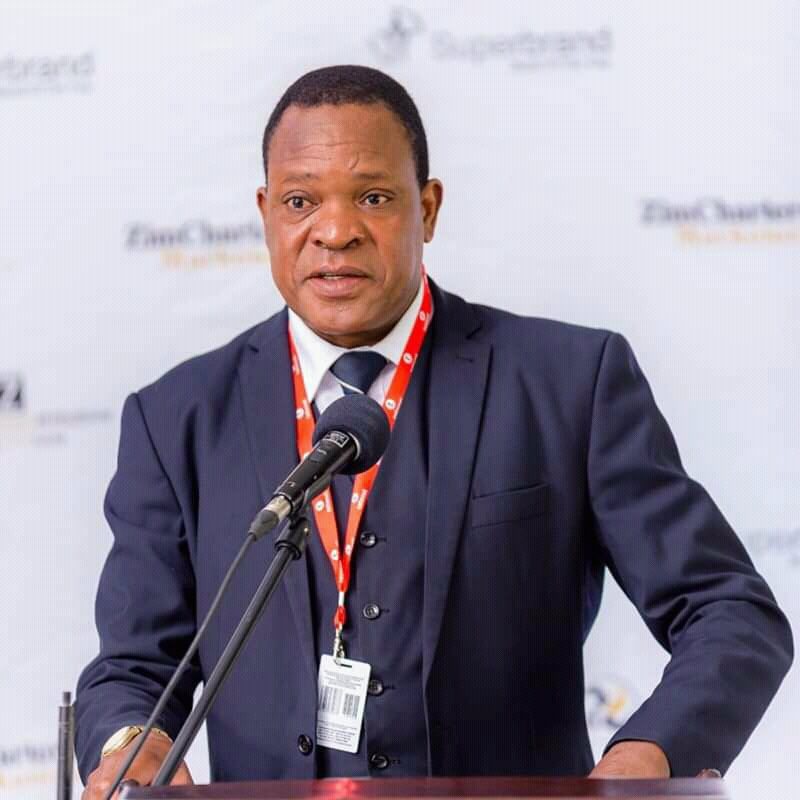
THERE is need to set up a central authority that regulates medical travel from Zimbabwe to India for easier patient follow-up and redress, amid revelations that the number of patients seeking treatment in India continues to rise, a senior Government official has said. In an interview with The Herald during the third International Summit on Medical Value Travel underway here in Bengaluru, India, principal director for curative services in the Ministry of Health and Child Care Mr Sydney Makarawo said at the moment, Government did not know the exact number of people seeking treatment in India.
Mr Makarawo said Government only got to know of patients when they returned home seeking follow-up care from local practitioners, sometimes with complications or when they encountered challenges in India requiring redress.
“We have tried to establish how many of our people seek treatment here and for what conditions, but it seems this information is not easy to get because people come through different arrangements,” he said.
“Some are referred by their health insurers, others by medical facilitators, while others link directly with the service providers here in India.” Mr Makarawo said the ideal partnership with India’s medical sector would be in areas where services sought were either expensive in Zimbabwe or unavailable.
Zimbabwe had the expertise in some areas, he said, but required resources to be able to offer the same services as those offered in India. In a separate interview on the sidelines of the summit, Healthcare Travel Council of India chairperson Dr Alekh Sharma said the number of patients coming from Africa to India, particularly Southern Africa, continued to increase.
Dr Sharma said some of the common conditions for which patients sought treatment in India included orthopedic treatments, cardiovascular, neurology, wellness and oncology services.
He said India was working on introducing tele-medicine, particularly for patients with conditions that did not necessarily require them to travel to the country, to cut back on non-medical, but associated costs such as flights, accommodation and food expenses. “This technology would enable us to converse with patients from their localities without them travelling here for simple ailments,” said Dr Sharma.
According to India’s ministry of commerce and industry, the medical tourism market in the Asian country is projected to hit US$3,9 billion this year. Speaking at the official opening of the three-day summit earlier, joint secretary in the ministry Mr Sudhanshu Pandey said the influx of medical tourists exceeded 320 million in 2016, compared to 85 million in 2012.
“A key competitive advantage India has in medical tourism is the cost effectiveness it has to offer to its patients,” said Mr Pandey. About 3 000 delegates from over 70 countries are attending this year’s summit.
Headed by the Ministry of Health and Child Care, the Zimbabwe delegation comprises health funders, service providers in both public and private health institutions and medical facilitators.


 Online Reporter