admin
admin
Michael Tome
Business Reporter
GOVERNMENT is working on establishing a standards and hotel grading council to raise the quality of services offered in Zimbabwe’s hospitality industry.
Improving the quality of services by operators in Zimbabwe’s hospitality sector is one of the focus areas of the Tourism Amendment Bill which the Government seeks to strengthen local tourism business.
The initiative is part of the Government’s collective efforts to buoy tourism performance in the country.
It is expected the standards and grading council will play a central role in enhancing guest experience and improving standards in the hospitality industry.
It provides a standardised way to assess the quality of a hotel, ensuring that guests can have confidence in the level of service and amenities they can expect.
Hotel grading allows vacationers to easily compare different hotels and make informed decisions about where to stay based on their preferences and budget.
This comes as several hospitality players have been using higher hotel grades as a marketing tool to attract guests whilst they offer mediocre services. Some of the operators misrepresent the amenities, services, or facilities their hotels offer to inflate their grading category. The hoteliers neglect the maintenance and upkeep of their property and services, leading to a deterioration in quality that does not align with the grading standards.
As such, the establishment of the standards and grading council would make hotels accountable for maintaining a certain level of quality and can serve as a benchmark for continuous improvement.
Tourism and Hospitality Minister Barbara Rwodzi recently said it was high time sector players operated without adhering to the grading standards.
She said the Tourism Amendment Bill was pushing to strengthen the quality and standards management in the tourism and hospitality industry.
“The Bill seeks to strengthen the standards department within the Zimbabwe Tourism Authority which is responsible for setting and enforcing quality standards for tourism products and services in Zimbabwe, such as accommodation, restaurants, attractions, and tour operators.
“This would enhance the reputation and attractiveness of Zimbabwe as a tourism destination and encourage more domestic and international visitors to explore its diverse and rich offerings. Currently, the department is small and less robust,” said Minister Rwodzi. This comes as the Government is intensifying its crackdown on unregistered lodges and errant operators, pushing them to legalise their operations.
The bill proposes that non-compliant players be fined heftly.
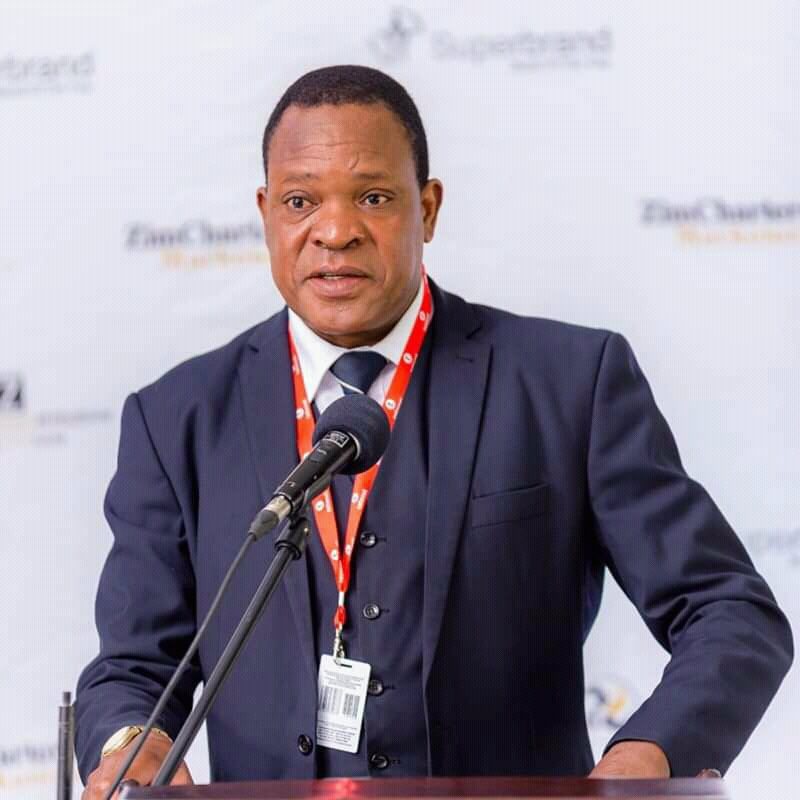
Hospitality Association of Zimbabwe (HAZ) president Mr Brian Nyakutombwa said the move was a critical step in realising a competitive hospitality industry.
He said this will force players to self-introspect as they offer their services to customers.
“Establishment of a standards and grading council is a very necessary intervention, it helps with ensuring that players, and operators in industry are guided in terms of what they offer and how they structure their facilities.
“This is a very essential function that is required to regulate what the industry offers to the public, making sure that customers are not short-changed by the operators.
“This will remind hoteliers to operate within their star rating category in terms of offerings ,” said Mr Nyakutombwa.
Tourism sector is the third biggest contributor to Zimbabwe’s gross domestic product after mining and agriculture.
The sector is expected to grow to US$5 billion economy by 2025 in line with the country’s goal to attain middle-income society by 2030.
While presenting 2024 midterm budget review in Parliament on Thursday, Finance, Economic Development, and Investment Promotion Minister Mthuli Ncube said the tourism sector performance will be enhanced in 2025 through promotional programmes, to supplement destination competitiveness and national branding.
“Focus will be on developing new products that enhance the performance of various tourism clusters, as well as extend the average length of stay. This will entail measures that enhance the domestic tourism brand and image,” said Minister Ncube.
Tourism is considered a low-hanging fruit for the country in terms of foreign currency generation and employment and is part of key locomotive sectors that will be critical in achieving sustainable economic growth as enunciated in the National Development Strategy 1 (NDS 1).
As such, the Second Republic has been pushing for the elevation of the tourism and hospitality sector through the development of a national tourism policy to cement and enhance the sector’s recovery maximising economic returns at the same time.


 Online Reporter