Joseph Madzimure
Zimpapers Politics Hub
The Government is committed to addressing challenges affecting veterans of the liberation struggle and identifying practical ways to improve their welfare and economic circumstances, a senior Government official has said.
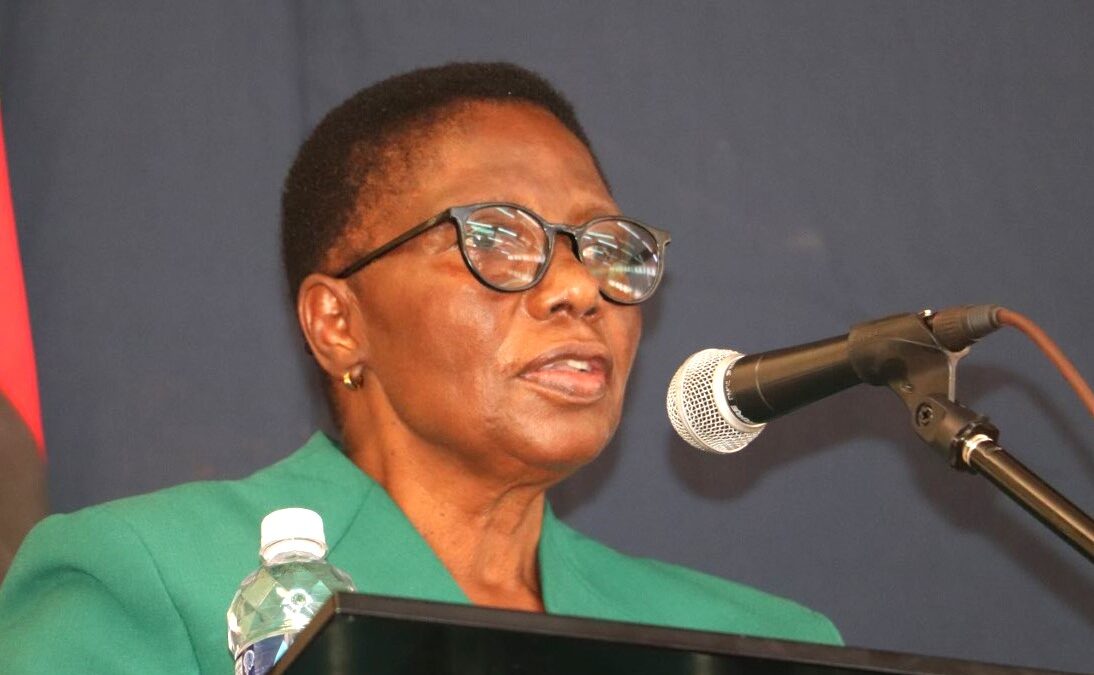
Speaking during an interface meeting with war veterans in Harare on Wednesday, Veterans of the Liberation Struggle Affairs Minister Monica Mavunga said her ministry remained guided by the principle that those who fought for Zimbabwe’s liberation must continue to be honoured, recognised, protected and empowered.
“We have deliberately taken our programmes closer to veterans and their communities because meaningful implementation cannot be achieved from our offices without engagements,” she said.
“Our engagements are not simply occasions for Government to speak to veterans. They are important platforms for listening, receiving feedback, assessing programme implementation and identifying areas requiring intervention.”
She highlighted that the interface was designed to acknowledge the progress the Government has made, address the challenges that remain, and collectively identify practical ways to improve veterans’ welfare and economic circumstances.
She stated that the Ministry continues to discharge its mandate under the Veterans of the Liberation Struggle Act (Chapter 17:12), the National Heroes Act (Chapter 10:16) and the War Victims Compensation Act (Chapter 11:16), among other relevant legislation.
The Government, Minister Mavunga said, is taking steps towards the development of a comprehensive Veterans of the Liberation Struggle Policy.
Over the years, interventions for veterans have evolved through different programmes and institutional arrangements.
She stated that the proposed policy seeks to bring these interventions together within a coherent national framework that will mainstream the concerns and welfare of the Veterans Community across Government towards attainment of Vision 2030.
“The policy development process is currently underway. Veterans of the Liberation Struggle and other relevant stakeholders will be consulted to ensure that their experiences, needs, aspirations and priorities inform its content,” she stated.
These consultations, she stated, will help the Government identify practical and sustainable interventions that respond to the realities of the Veterans Community.
In addition, Minister Mavunga noted that Government is pursuing amendments to the Veterans of the Liberation Struggle Act, the National Heroes Act and the War Victims Compensation Act.
She clarified that these legislative reviews are intended to ensure that the legal and institutional framework remains responsive to contemporary needs and emerging challenges affecting the Veterans Community.
Turning to welfare, healthcare and social protection, Minister Mavunga said the Government is strengthening social protection interventions while improving the accessibility and sustainability of the support provided.
“Comrades, welfare remains one of the Ministry’s most important responsibilities. “Our veterans are ageing and face increasing chronic and age-related medical conditions,” she said.
Harare provincial chairman for Zimbabwe National War Veterans League, Cde John Guta, said issues affecting the war veterans are their welfare, especially their health and late payment of school fees for their children
“Healthcare remains one of the most urgent concerns affecting the Veterans Community. We need special facilities earmarked for us at various health institutions.
“Another issue raised is that farms owned by war veterans are repossessed after their owners die, leaving their families vulnerable,” said Cde Guta.
However, Minister Mavunga clarified that the Ministry has made significant progress in addressing outstanding medical obligations and improving access to medical assistance for veterans and their eligible dependents.
“We have also increased the medical assistance thresholds administered through provincial structures,” she said.
The Government, she said, is committed to strengthening devolution and decentralisation in the delivery of services to the Veterans Community by empowering provincial and district structures to play a more active role in receiving, processing and facilitating applications for assistance.
This, she said, will bring services closer to veterans and war victims, reduce unnecessary referrals to Head Office, improve responsiveness and ensure that assistance is accessed without undue administrative burdens.