Online Reporter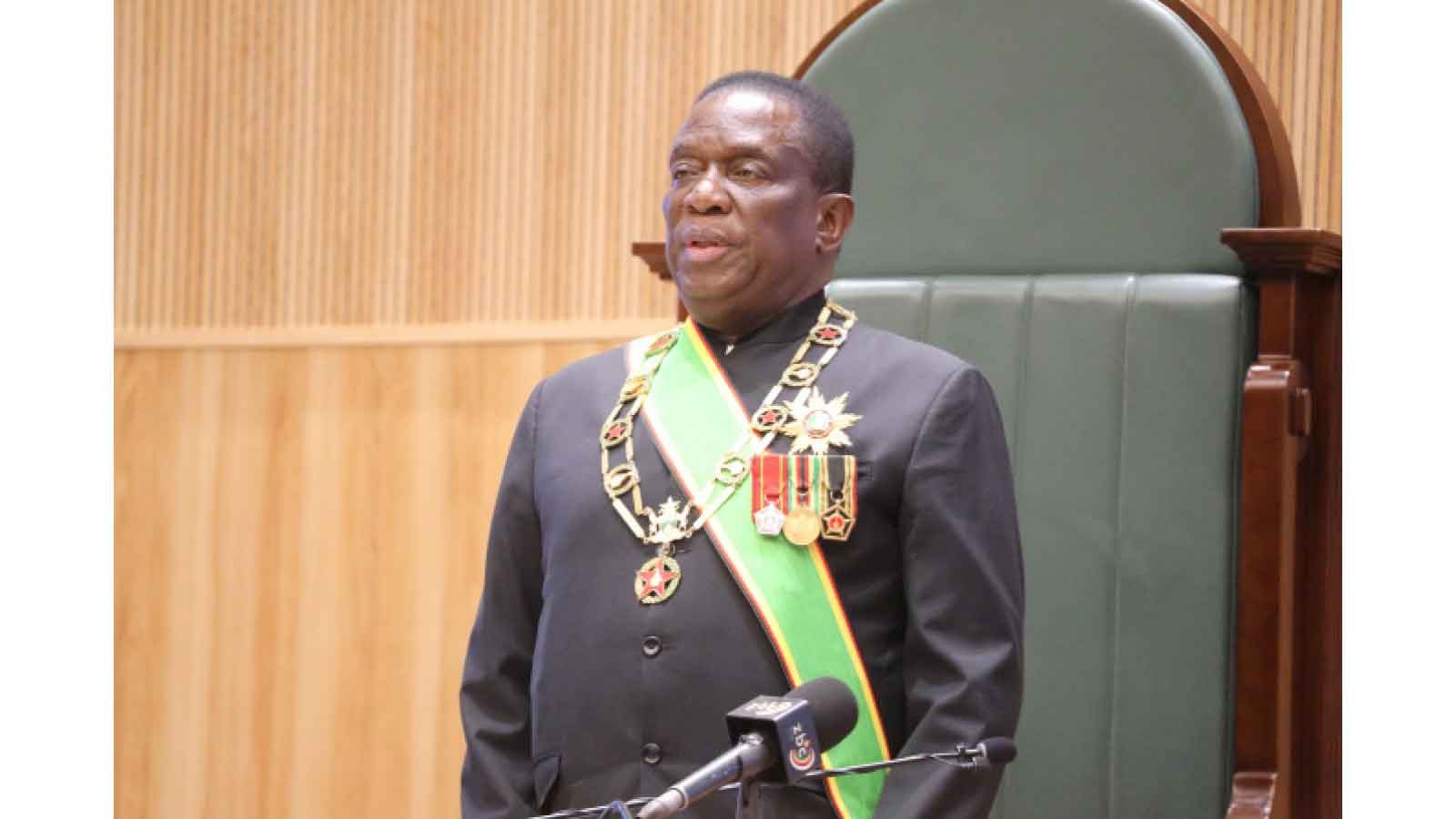
Zvamaida Murwira
Senior Reporter
POLICIES adopted by the Government and enacted by Parliament are unlocking value through investment across different sectors of the economy, in line with National Development Strategy 2, President Mnangagwa has said.
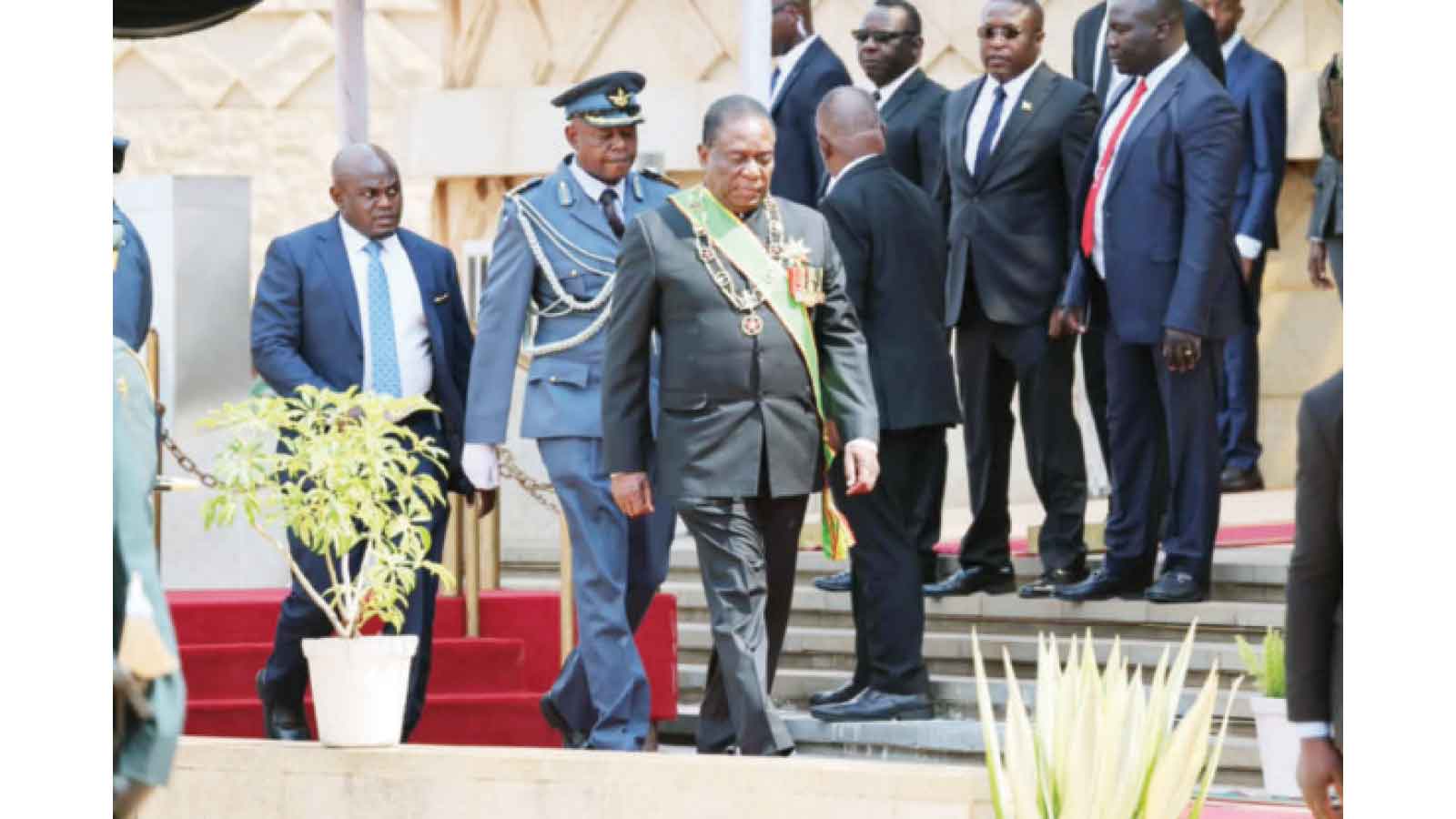
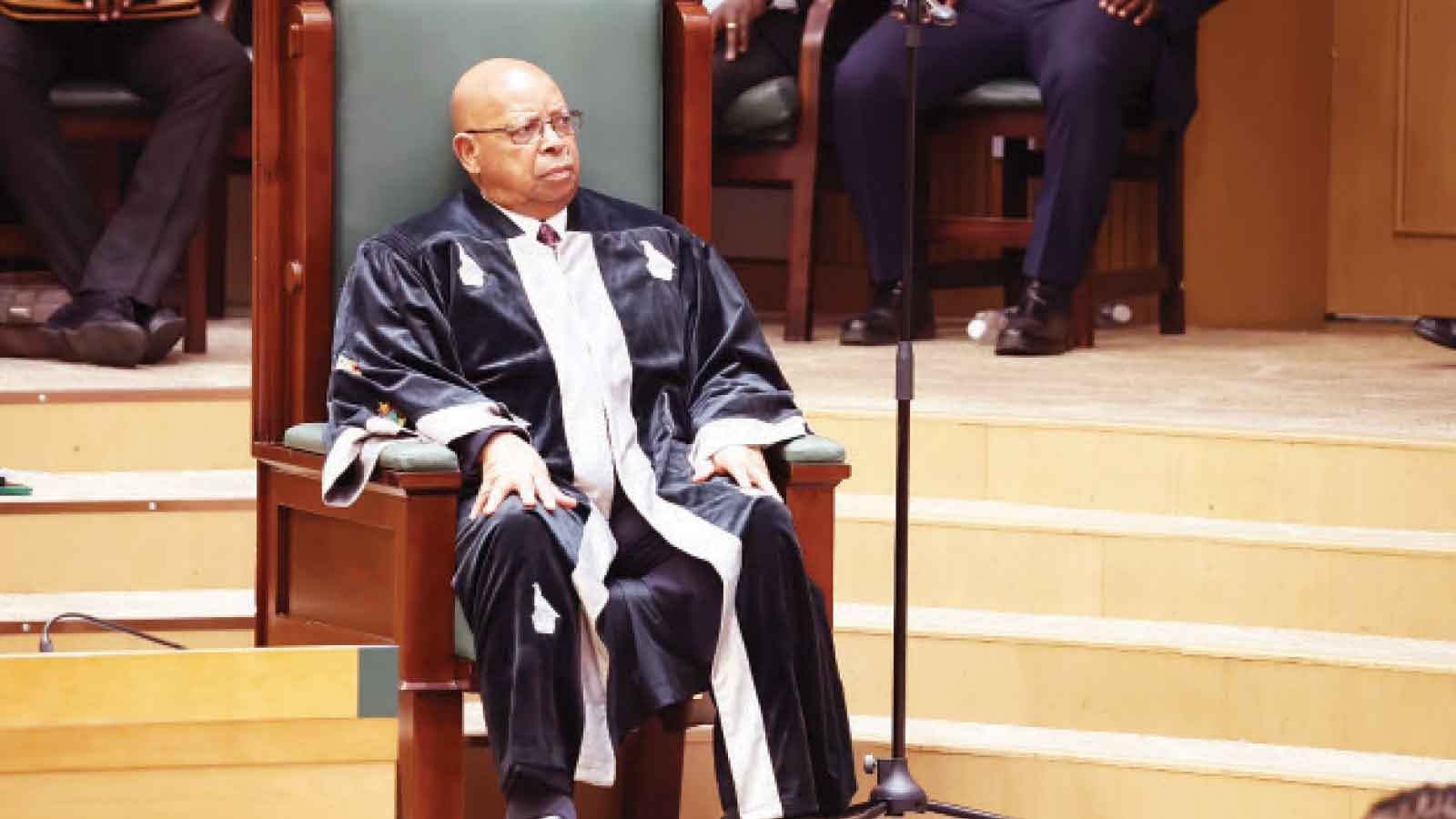
He made the remarks in his State of the Nation Address (SONA) during which he officially opened the Fourth Session of the 10th Parliament at New Parliament Building at Mount Hampden.
“The policies we have adopted, as enacted by this esteemed Parliament, are unlocking investments, accelerating economic growth and creating vital jobs. Empowerment opportunities, especially for women and young people, are being broadened. We have every reason to be proud,” said the President.
A lot of work, he said, still needed to be done, in particular by Parliament in the coming session.
“However, the journey continues; much work lies ahead. Let us leverage this Fourth Session of the 10th Parliament to reaffirm our commitment to scale up transformational results in all sectors of the economy and levels of society. The Legislature is assured that my administration shall continue to facilitate an environment that is responsive to current realities, yet predictable and transparent,” said President Mnangagwa.
He said the country had achieved sustained macro-economic stability over a considerable period of time.
“My Government has consolidated gains in price, currency and exchange rate stability. Inflation has been reduced to single-digit levels since January 2026. The positive outturn has been supported by strong foreign currency inflows, which amounted to US$10.7 billion for the first half of 2026 and are expected to reach about US$20 billion by year-end,” said President Mnangagwa.
“The macro-economic gains were achieved through deepening the financial sector institutional framework and, henceforth, ensure continued confidence in the country’s macro-economic environment.”
He said the agriculture sector recorded a phenomenal 27.9 percent growth and contributed 2.2 percentage points to the country’s 8.3 percent Gross Domestic Product growth.
“The 2026/2027 outlook for our SADC sub-region is regrettably projected to be characterised by unfavourable weather patterns with below-normal rainfall. So far, my Government has put in place a Six Pillar Plan for resilience. This incorporates an enhanced Strategic Grain Reserve; Accelerated Climate-Smart Production; Integrated Financing Architecture; Livestock Drought Mitigation; and Co-ordination, as well as an Early Warning and Capacity Building mechanism.”
“Through our Chiefs, Headmen and Village Heads, communities are being prepared to withstand future shocks.”
He noted that the mining sector remains a key anchor of Zimbabwe’s economic development.
“To further develop the sector, my Government is capacitating the Mining Promotion Corporation and the Zimbabwe Geological Society to undertake systematic exploration, while also developing bankable projects for investment. In line with our thrust on mineral beneficiation and value addition, we take pride in that we recently recorded the first locally-produced lithium sulphate from Africa,” he said.
“Additional lithium sulphate plants are being established around the country. Investments in iron and steel are re-shaping our industrial base and opening downstream and supply chain opportunities in Zimbabwe and across the SADC region.”
He said a number of expansion works by sector players were being carried out in the gold and platinum group, while formalisation and equipping of small-scale gold mining and other minerals remained a priority for Government.
The manufacturing sector, said President Mnangagwa, continued to register growth, underpinned by value chain development increases, capacity utilisation and overall productivity.
“These encompass iron and steel, cement and clinker, as well as pharmaceuticals, among other sub-sectors,” he said.
President Mnangagwa said Government reviewed numerous licences, permits, levies and fees in 13 sectors as well as multiple regulatory requirements.
“This will further enhance the ease of doing business environment and improve the competitiveness of local industry. Coherent legislative and institutional parameters are set to catalyse provincial industrialisation, attract a wider range of investments and achieve inclusive development at every level of our economy,” he said.
On energy, President Mnangagwa said several intervention measures had seen an end to loadshedding.
“Supplies from Kariba Hydro and Hwange Thermal power stations are being augmented through Independent Power Producers and Captive Power plants as well as net-metering and rooftop solar,” he said.
The President noted that fuel supplies remained stable and adequate to support the country’s socio-economic activities despite global market disruptions and other shocks.
On transport infrastructure, President Mnangagwa said roadworks earmarked for completion included the Harare–Beitbridge Road, 30 kilometres of the Harare–Kanyemba highway, 30 kilometres of the Harare–Nyamapanda highway, 50 kilometres of the Bulawayo–Victoria Falls highway, 20 kilometres of the Harare–Chirundu highway and 40 kilometres of the Kwekwe–Nkayi–Lupane Road.
“Government aims to complete the Mabvuku Interchange project, along with other interchanges designed to facilitate efficient movement along strategic traffic nodes,” he said.
In the aviation sector, the President said two additional international airlines were expected to fly into Zimbabwe next year.
“Cargo facilities will be expanded at the Victoria Falls and J. M. Nkomo International Airports. I have also directed that all requisite ancillary services be modernised and availed for airlines servicing our routes,” he said.
The President said his administration would continue rolling out the Presidential Title Deeds Programme in urban and peri-urban areas to formalise land and property ownership.
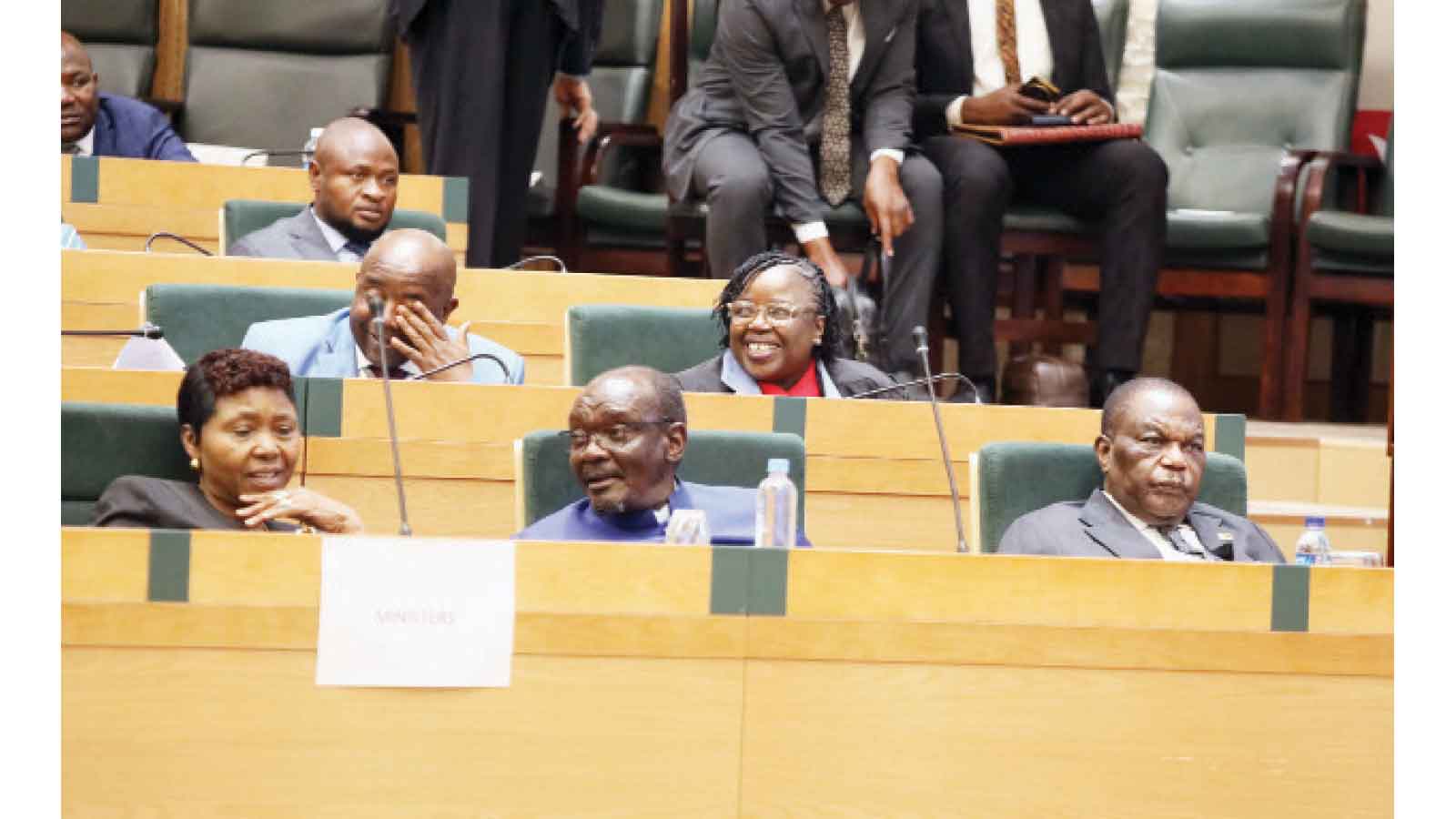
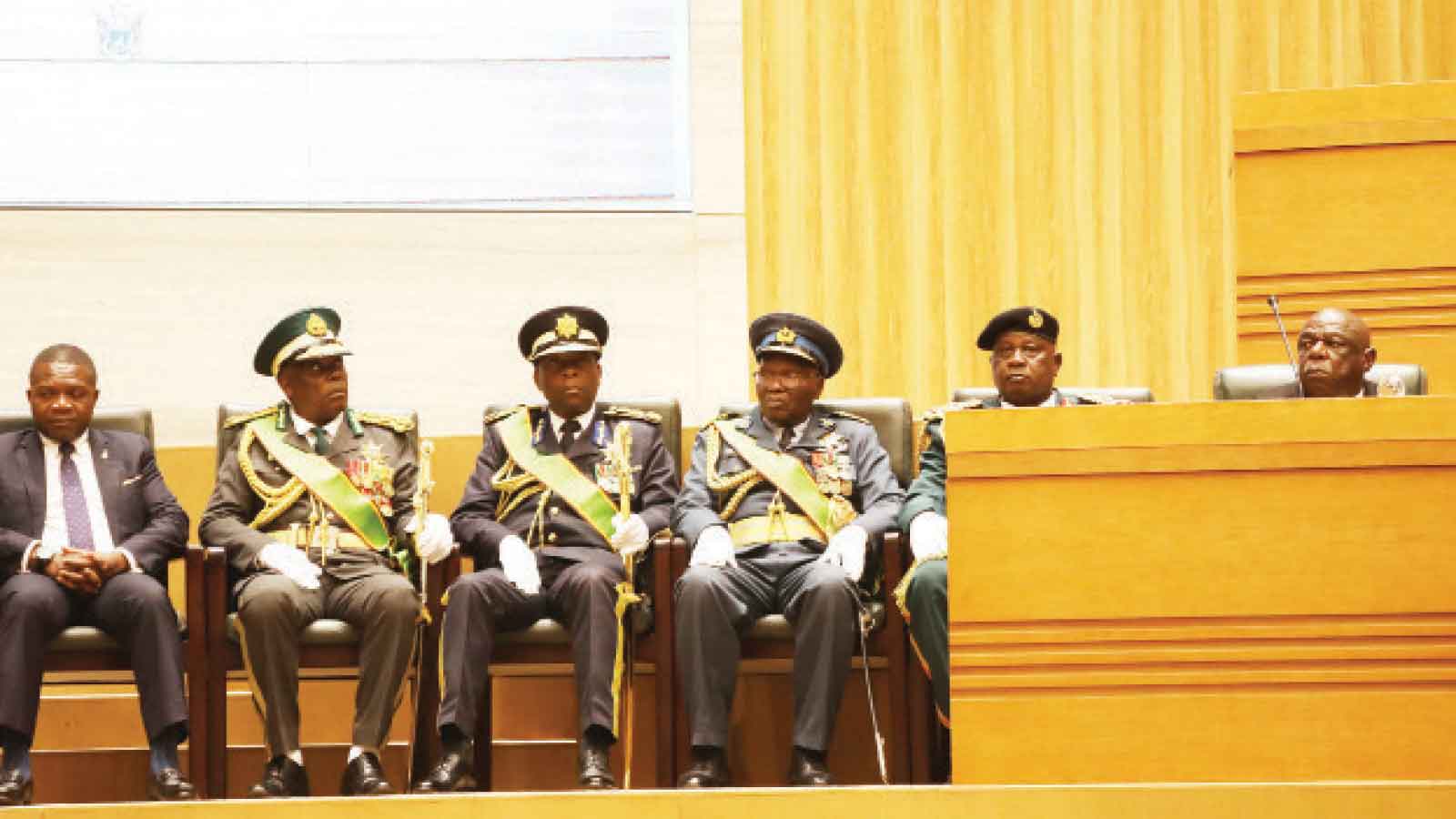
Yesterday’s event was attended by Vice Presidents, Dr Constantino Chiwenga and Dr Kembo Mohadi, Cabinet ministers, diplomats accredited to Zimbabwe and senior Government officials.