Online Reporter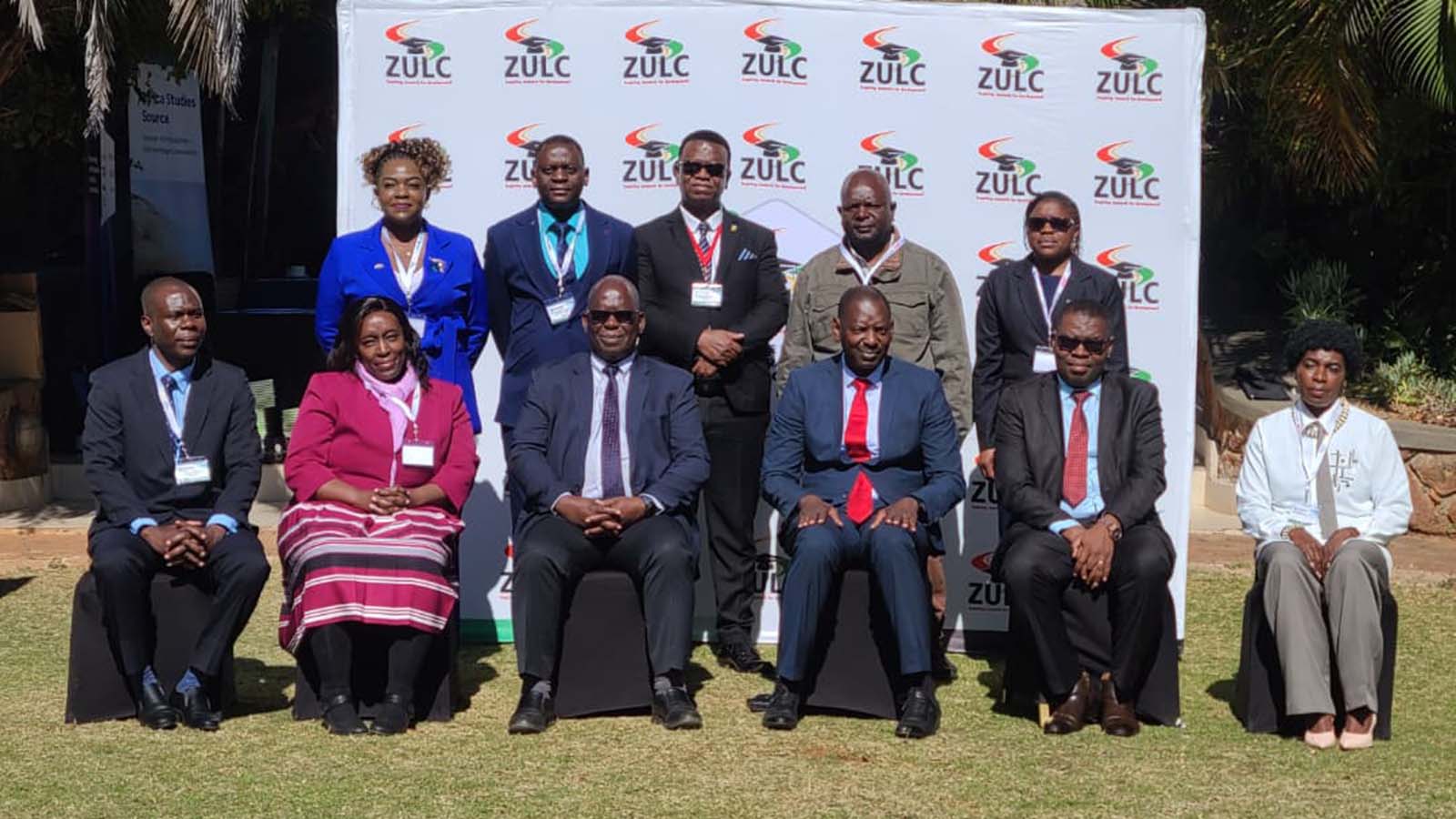
Obey Musiwa
Herald Reporter
THE Ministry of Higher and Tertiary Education, Innovation, Science and Technology Development has launched a nationwide programme to modernise university libraries, unveiling assistive technologies and specialised furniture under a US$220 000 grant aimed at making higher education more inclusive, accessible and digitally driven.
The initiative was unveiled during the 6th Biennial Conference of the Zimbabwe University Libraries Consortium (ZULC) in Harare, where stakeholders reaffirmed the critical role of modern libraries in advancing innovation, research and the country’s Vision 2030 agenda.
The programme aligns with the Government’s Heritage-Based Education 5.0 philosophy and the emerging Library 5.0 model, which seeks to transform university libraries into smart, technology-enabled knowledge hubs that support teaching, research, innovation and industrialisation.
Officially opening the three-day conference on behalf of the Minister of Higher and Tertiary Education, Innovation, Science and Technology Development, Professor Frederick Shava, Permanent Secretary Professor Fanuel Tagwira said university libraries must evolve beyond their traditional role as repositories of books.
He said libraries should become dynamic digital centres that promote innovation, expand access to knowledge and provide inclusive services for all users, including people with disabilities.
“Technology alone cannot transform education without human-centred leadership and collaboration. For Zimbabwe, digital transformation is not an option; it is an imperative,” he said.
The workshop brought together librarians, academics, government officials, and international partners to deliberate on the theme “Navigating the Digital Frontier: Transforming Library Services for Tomorrow”, highlighting the role of libraries in national development.
Minister Shava said libraries must occupy a strategic position in supporting education.
“As we look towards Library 5.0, we envision libraries that are not only technologically advanced but also deeply human-centred.
“Technology must enhance human potential, promote inclusivity and create opportunities for every citizen to participate meaningfully in the knowledge economy,” he said.
Delivering his remarks, ZULC chairperson Blessing Chiparausha highlighted the importance of inclusivity and global collaboration in shaping Zimbabwe’s library services.
He pointed to the official handover of assistive devices as a milestone in ensuring that no student or researcher is left behind in the digital frontier.
“This initiative is a testament to our commitment to inclusivity, ensuring that the digital frontier we are navigating is accessible to every single student and researcher, without exception,” said Dr Chiparausha.
Harare Institute of Technology librarian Mr MacDonald Nhakura said the impact of these technologies lies in their ability to harness neuroplasticity, the brain’s capacity to adapt and reorganise.
“Neuroplasticity, the brain’s remarkable ability to reorganise, change, and adapt its physical structure and functional connections throughout life,” he said.
“It is the biological process that allows us to learn new skills, form memories, and recover from injury. When equipped with assistive devices, this neuroplastic advantage is not just supported but amplified, turning innate cognitive strength into practical, effective learning outcomes.”