admin
admin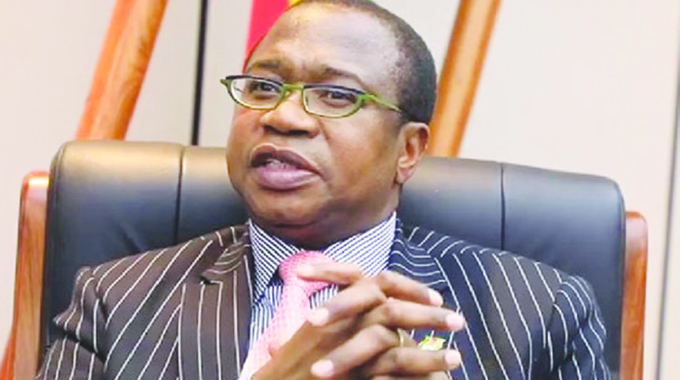
Tapiwanashe Mangwiro, Senior Business Reporter
THE GOVERNMENT has announced a raft of new measures to compel regulatory compliance within the retail and wholesale sectors, aiming to rein in the country’s increasingly informal economy.
The measures, which come amid concerns over tax evasion and market distortions, were unveiled following a high-level economic session chaired by President Mnangagwa at State House in Harare on Thursday.
Building on strategies outlined in previous fiscal policies, the new interventions aim to bolster formalisation and curb illicit trade, Finance, Economic Development and Investment Promotion Minister Professor Mthuli Ncube said.
With formal retailers and wholesalers struggling against a flood of unregistered competitors, Prof Ncube has made it clear that the Government is taking stronger action to address the situation.
Among the most significant policy interventions is the mandatory use of point-of-sale (POS) machines by all informal traders meant to ensure transactions are recorded and taxes are collected, in the process closing loopholes that have allowed businesses to operate outside the formal system.
“We are determined to level the playing field and bring everyone into the tax net,” said Prof Ncube.
“The Government is adopting international best practices on tax compliance, ensuring that every eligible taxpayer meets their obligations.”
To further curb tax evasion, authorities will enforce regulations discouraging manufacturers from supplying goods directly to end-users and informal markets.
The move seeks to channel products through formal retail and wholesale networks, reinforcing Government oversight.
Another critical intervention is the establishment of a ‘Domestic Interagency Enforcement Team’ tasked with monitoring and enforcing compliance across informal businesses.
“We are streamlining regulatory processes, reducing fees and charges, and eliminating duplication of work by Government agencies,” Prof Ncube said. “This will not only ease the cost of doing business but also create an environment where formalisation is the preferred path.”
The Reserve Bank of Zimbabwe (RBZ) will also unveil further monetary policy measures to promote the formalisation of economic activity.
Details of these interventions will be outlined in the forthcoming Monetary Policy Statement.
The surge in smuggled goods, especially within reserved sectors, has been another major concern.
To counter this, the Government will intensify enforcement of the Indigenisation and Economic Empowerment Act, ensuring that protected industries benefit from local participation.
Authorities are also stepping up efforts to procure more goods and services from local producers, a move expected to stimulate domestic industry and reduce reliance on imports. Additionally, the Industrialisation Fund will be expanded to offer further incentives for manufacturers.
“The Government remains committed to supporting local businesses,” Prof Ncube said. “Through enforcing existing laws and introducing targeted financial incentives, we aim to boost industrial growth and create sustainable jobs.”
These new interventions complement a series of measures already in place to curb informalisation and strengthen tax compliance.
Through the 2024 Mid-Term Budget and the 2025 National Budget, Government introduced a 5 percent withholding tax on all unregistered Micro and Small Enterprises (MSMEs) purchasing goods from wholesalers and manufacturers.
This ensures that informal traders contribute to the fiscus and do not gain an unfair advantage over compliant businesses.
Additionally, to encourage more businesses to register for tax purposes, the VAT registration threshold was reduced from US$40 000 to US$25 000, compelling more enterprises to enter the formal tax system.
To tackle the growing influx of illicit trade, the Government classified selected goods, including alcoholic and non-alcoholic beverages, dairy products, washing powder, detergents, and sugar, as ‘deemed smuggled’ unless sellers can provide documentary evidence that customs duties were paid.
This is designed to curb the rampant sale of untaxed imports that have flooded local markets.
Recognising the need for financial support in formalised business operations, the Targeted Finance Facility (TFF) was also established through the RBZ to provide working capital to businesses in the productive and retail sectors.
With these policies already in motion, the Government is now strengthening enforcement mechanisms and introducing additional reforms to accelerate economic formalisation.
“These measures are not just about tax compliance but about ensuring that Zimbabwe’s economy is robust, competitive, and prepared for the future,” Prof Ncube said.
With the informal sector accounting for a significant portion of Zimbabwe’s economic activity, the Government is determined to ensure that businesses operate within the formal framework. By tackling tax evasion, curbing smuggling, and incentivising local production, authorities believe these reforms will strengthen economic resilience.



 Bongani Ndlovu