Nyore Madzianike
Senior Reporter
GOVERNMENT is reviewing policy and legislative framework, especially the Small and Medium Enterprises Act and the Micro, Small and Medium Enterprises Policy, to create a more enabling environment for informal businesses to transition into the mainstream economy.
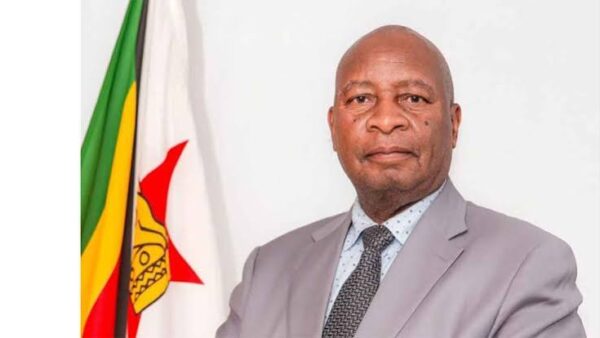
Women Affairs, Community, Small and Medium Enterprises Development Minister Monica Mutsvangwa said the measures sought to simplify formalisation and support the sustainable growth of enterprises.
The review comes as the Government seeks to address barriers that have kept many small businesses operating outside the formal economy, including limited access to information on registration, licensing and taxation requirements.
The ministry is also reviewing the MSME Policy Framework (2020-2024) to close identified gaps in the formalisation process.
“As one of the key implementing actors, the Ministry of Women Affairs, Community, Small and Medium Enterprises Development has put in place a number of measures to facilitate the transition of informal enterprises into the mainstream economy,” she said.
“The ministry is currently reviewing the SMEs (Small and Medium Enterprises) Act to ensure that it responds to the prevailing business environment and supports measures that make formalisation simpler, more accessible and beneficial to enterprises.
“We are also reviewing the MSME Policy Framework (2020-2024) to address identified formalisation gaps and put in place an appropriate policy framework to support the sustainable growth and graduation of enterprises from informality to formality.”
Minister Mutsvangwa said her ministry was also intensifying information dissemination campaigns to ensure informal businesses had access to practical information on formalisation pathways. She said lack of knowledge about registration requirements, licensing procedures, taxation obligations and the benefits of formalisation remained one of the factors keeping entrepreneurs in the informal sector.
“The ministry is rolling out information dissemination campaigns with a view to increasing access to information on formalisation pathways,” she said.
“Many informal businesses remain outside the formal economy because entrepreneurs lack clear information on registration requirements, licensing procedures, taxation obligations and the benefits associated with formalisation.
“The ministry is, therefore, strengthening outreach and awareness programmes to provide entrepreneurs with practical information on the processes and requirements for formalising their businesses.”
It is also facilitating technical support and coordination among Government agencies involved in the formalisation process.
The ministry is also engaging institutions like Zimbabwe Revenue Authority (ZIMRA), Standards Association of Zimbabwe, Registrar of Companies, Procurement Regulatory Authority of Zimbabwe (PRAZ) and local authorities to make the process more coordinated and accessible to micro, small and medium enterprises.
“The objective is to ensure that entrepreneurs can obtain the technical assistance they need to navigate the various formalisation requirements,” she said. Minister Mutsvangwa said Government was also expanding business development and support for business management and technical training, access to funding and markets, digitalisation and other interventions aimed at improving productivity and competitiveness.
She said services are part of efforts to ensure formalisation translates into viable and sustainable enterprises.
“The ministry, as part of its mandate, is implementing programmes that target expanding access to business development and support services,” she said.
“This is against the background that formalisation should be a means to business viability, sustainability and ultimately graduation to productive large-scale enterprises. A wide range of business support services are offered to MSMEs, which include business management and technical training, access to funding and markets, digitalisation and other services that enable the sector to improve productivity and competitiveness.
“Furthermore, the Ministry is facilitating the development of appropriate and formal workspaces across the country.”
The ministry is also working with local authorities, development partners and the private sector to develop and improve SME workspaces across the country.
She cited Chiredzi SME Centre as one of the Ministry’s flagship initiatives, which demonstrates the Government’s approach to creating an enabling physical environment in which small businesses can operate, formalise and grow.