admin
admin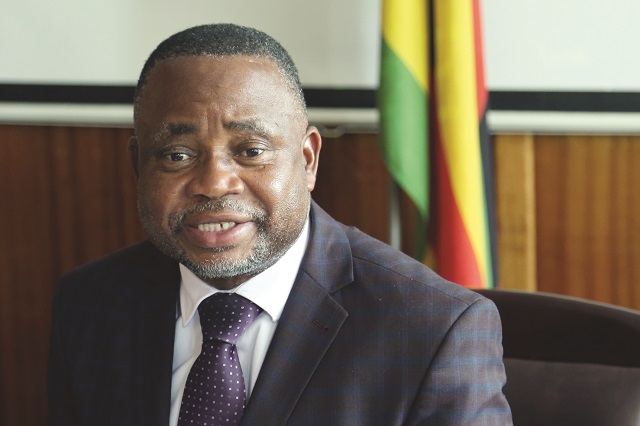
Auxilia Katongomara, Chronicle Reporter
GOVERMENT has scrapped continuous assessment introduced by the new curriculum, a move that will be received with great joy by learners and teachers who have long complained about the requirement.
The new curriculum introduced by the Ministry of Primary and Secondary Education in 2016 stipulated that 30 percent of marks in a pupil’s public examinations came from tasks given over a two-year period.
Primary and Secondary Education Minister Professor Paul Mavhima yesterday confirmed the new development.
“We’ve scrapped tasks. We have made that announcement today and we will continue with evaluation of the new curriculum and a more comprehensive report will be presented and will make adjustments to the new curriculum,” said Prof Mavhima
Continuous Assessment is the evaluation throughout a course of study rather than exclusively by public examination.
It formed part of the weighted contribution to learner performance outcomes at Grade Seven, Form Form and Form Six public examinations.
Recently, school heads, teachers and pupils in Bulawayo told a Parliamentary portfolio committee on Primary and Secondary Education which was assessing the new curriculum that the tasks were cumbersome and exposed children, particularly the girl child.
During the parliamentary hearing, teachers and pupils highlighted challenges ushered in by the new curriculum with secondary school pupils complaining mainly of many tasks that they said were time consuming.
The pupils said the tasks required them to go to industries and various places for research which could expose them to abuse as they are not protected.
The pupils also said the new curriculum requirements were financially straining their parents as they needed gadgets for some tasks as well as paying for printing and photocopying.
Since his appointment as Education Minister, Prof Mavima has gone on countrywide consultations on the new curriculum.
Stakeholders in the education sector had long urged the Government to review tasks and projects that have to be undertaken by pupils.
They complained that the tasks were too much for the students as they were undertaken in every subject.
The introduction of continuous assessment meant that candidates who intended to supplement Ordinary and Advanced level subjects would no longer follow the traditional registration process but had to be attached to an examination centre for assessment under the new curriculum.
The tasks cannot be submitted in one go, but are submitted periodically, making it impossible for a candidate to show up with all required tasks when it is examination time.
@AuxiliaK



 derick.khumalo