admin
admin
Andile Tshuma, Chronicle Reporter
GOVERNMENT has secured $7 million to assess irrigation schemes around the country before the programme to rehabilitate some of the schemes starts.
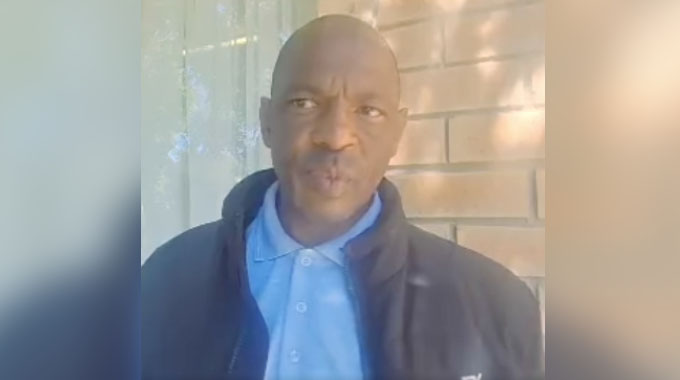
The chairperson of the Parliamentary Portfolio Committee on Agriculture, Mechanisation and Irrigation Development, Cde Christopher Chitindi told Parliament on Tuesday that work to asses the irrigation schemes will start soon after Government secured funding.
Cde Chitindi who is also Zanu PF MP for Muzarabani South, said his committee visited most irrigation schemes around the country last year and established that most of them were underutilised.
He said after reporting their findings, Government resolved to asses the irrigation schemes but could not immediately do so because of lack of funding.
“The Government has finally secured $7 million to undertake the work and after the exercise, rehabilitation of some of the schemes is expected to start,” said Cde Chitindi.
Zimbabwe has an irrigation potential of 2.2 million ha but only 200 000 ha are under irrigation. Cde Chitindi said of the 200 000 ha, only 120 000 ha have functional irrigation infrastructure.
He said many irrigation schemes therefore urgently need rehabilitation hence the Government’s decision to assess all the schemes.
Cde Chitindi said there is a need for a clear irrigation policy in order to not only attract investment in the irrigation sector but also lay down irrigation scheme management.
The committe chairperson singled out Tshongokwe Irrigation Scheme in Matabeleland North province which is run by women as one of the most well run schemes in the country.
Cde Chitindi said the proposed Irrigation policy should seek to gender mainstream more women into irrigation schemes following the success story of Tshongokwe Irrigation Scheme.
He said Irrigation development was the most progressive strategy to mitigate the impact of climate change.
The committee recommended that solar energy be used at irrigation schemes to cut costs. Periodic monitoring, evaluations and audit of the equipment should also be undertaken.
“The Agricultural Marketing Authority should be decentralised in all the farming districts of the country to assist farmers in the marketing of their produce as well as to disseminate information. Water and electricity tariffs should be minimised to enable both the farmer and the utility providers to break-even,” said Cde Chitindi.
@andile_tshuma



 Online Reporter