Business Reporter
FINANCE Minister Professor Mthuli Ncube has stepped up Zimbabwe’s global campaign to resolve its long-standing external debt and arrears, charting a firm path toward comprehensive debt clearance by 2027.
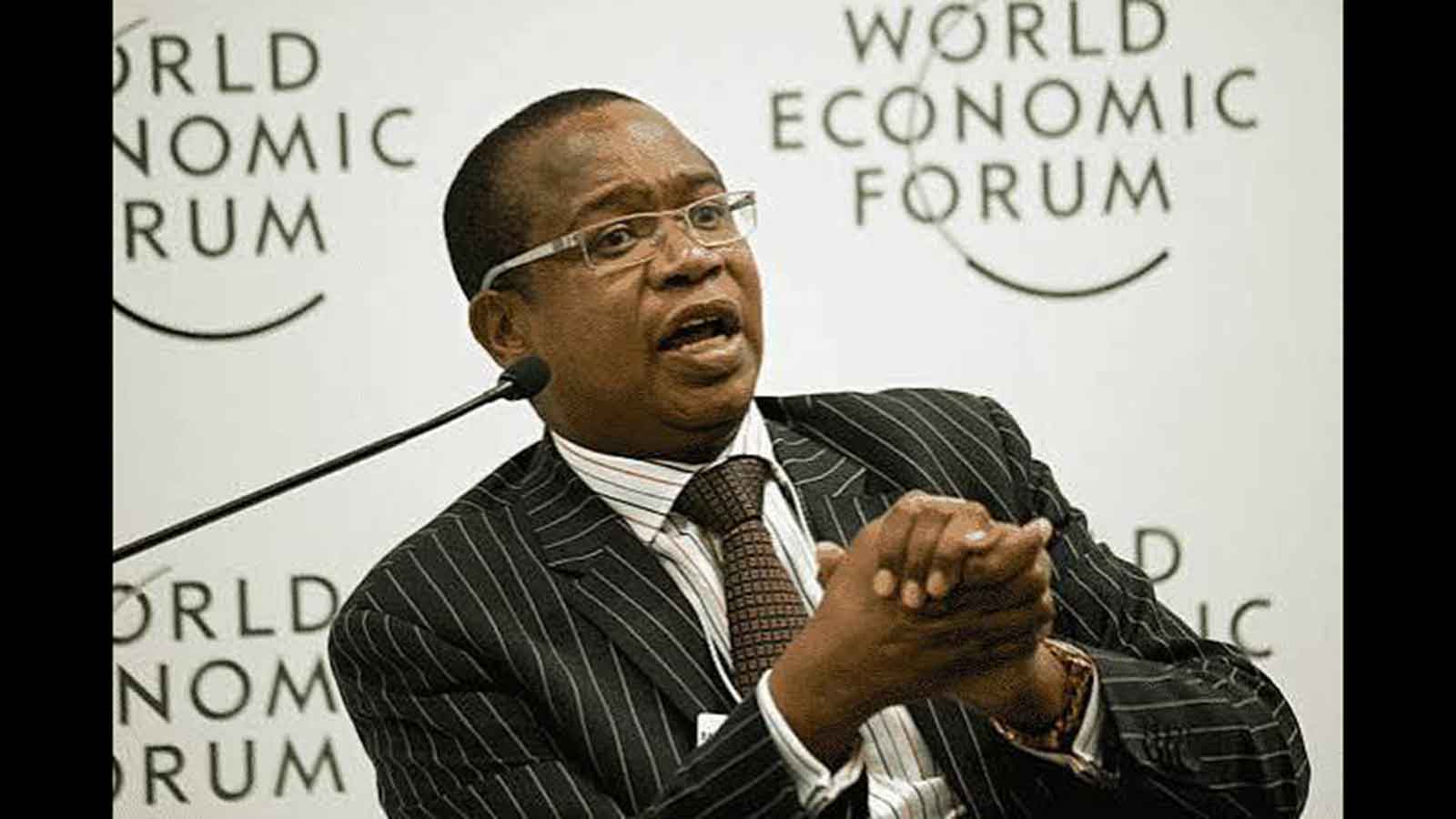
Speaking to the media on the sidelines of the International Monetary Fund/World Bank Group Annual Meetings in Bangkok, Thailand, Minister Ncube underscored that resolving the debt overhang remains vital to unlocking concessional development financing, funding public infrastructure and supporting sustainable private-sector growth.
Emphasising the resilience of the domestic economy alongside the urgency of international financial restructuring, Professor Ncube highlighted structural reforms during his media briefing on economic and monetary stability:
“When you look at the monetary front, we are able to report that monetary policy is prudent and running a regime of positive real interest rates.
“We introduce open market operations. The exchange rate is stable. The exchange rate premium between the parallel and official rate is now 15 percent.”
Addressing the issue of global debt burden and vulnerability, the minister said the debt crisis had crept up stealthily, but inexorably.
“The scale is enormous . . . By way of illustration, as of 2025, Zimbabwe’s external debt obligations equate to 29,7 percent of GDP. Total debt is equivalent to roughly 43 percent of GDP (Gross Domestic Product).
“This debt vulnerability is compounded by repayment arrears and limited access to much-needed tranches of fresh external financing, compromising the nation’s development programmes.”
According to official Treasury and public debt management disclosures, Zimbabwe’s total public and publicly guaranteed (PPG) debt stands at approximately US$21,8 billion to US$23,4 billion (encompassing both domestic obligations and external liabilities).
External obligations account for roughly US$13,6 billion of the overall stock, heavily weighted down by accumulated principal and interest arrears of about US$7,7 billion.
Bilateral creditors account for the larger share of external arrears (approximately 63,2 percent), which includes exposure to Paris Club and non-Paris Club official bilateral lenders.
Multilateral creditors constitute the balance (approximately 36,8 percent), including legacy arrears owed to core institutions like the World Bank, the African Development Bank (AfDB) and the International Fund for Agricultural Development (IFAD).
To meet the 2027 resolution targets, Harare has laid out a transparent, three-pronged options framework for creditors.
These include direct institutional mechanisms coordinated with the World Bank, IMF and AfDB.
Zimbabwe intends to leverage more expensive commercial credit instruments to bridge capital gaps where concessional windows remain restricted.
It will also pursue structured debt arrangements with official bilateral partners mirroring commercial-portion settlements.
According to Minister Ncube, global partners have responded with a positive, upbeat and congratulatory mood regarding Zimbabwe’s economic performance and policy direction.
Senior officials from the International Monetary Fund, the World Bank, and the International Finance Corporation expressed general recognition of Zimbabwe’s macroeconomic stability and ongoing reforms.