admin
admin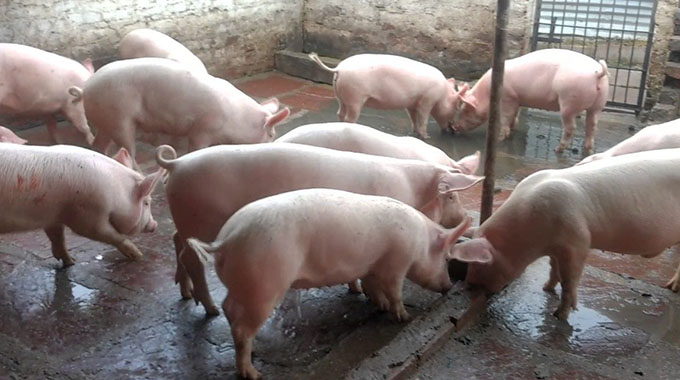
Ashton Mutyavaviri
GOVERNMENT’S strategic interventions to promote agricultural productivity are bearing fruit with the pig industry recording a 49 percent growth in the past three years.This has seen the national pig population rising from 228 000 in 2020 to 339 000 in 2023, thanks to various support forms that include easy access to loans, training programmes coupled with the provision of improved livestock breeds and veterinary services.
Lands, Agriculture, Fisheries, Water and Rural Development Ministry’s Livestock Production Department director, Dr Sitokozile Sibanda said the growth of the pig industry stimulated related sectors such as animal feed production, veterinary services and transport, creating a ripple effect on the economy.
She said the expansion of pig farming had created employment opportunities, particularly in rural areas, where agriculture is a primary source of income.
She observed: “Advancements in breeding techniques and the adoption of modern farming practices have enhanced productivity levels. Farmers have been increasingly implementing improved genetics, efficient feeding practices and proper disease control measures resulting in healthier and more productive pig populations.”
The positive growth in the pig industry has had substantial socio-economic impacts in Zimbabwe.
Dr Sibanda further stressed that it was crucial for Government and stakeholders in the pig industry to continue supporting farmers and addressing their challenges to sustain the current positive momentum.
She added: “Providing continued access to affordable financing, promoting research and development and investing in infrastructure will help maintain the industry’s growth trajectory.”
The increased revenue generated from the industry has contributed to the country’s economic development and reduced reliance on imports.
Dr Sibanda urged farmers to implement appropriate strategies to maintain the health and productivity of their pigs.
“Disease control and biosecurity measures remain crucial to prevent disease outbreaks and safeguard the industry. Continued investment in research and training programmes can help farmers stay updated on best practices and ensure the industry’s long-term viability,” she explained.
Zimbabwe can further consolidate its position in the pig farming sector and boost agricultural development, as a whole by sustaining this growth while addressing any obstacles, explained Dr Sibanda.
Meanwhile, the Ministry of Lands, Agriculture, Fisheries, Water and Rural Development has indicated that commercial pigs slaughtered at abattoirs had also increased by 11, 8 percent from 19 652 in 2021 to 21 307 in 2022.
The Government is making relentless efforts to enhance the performance of country’s agriculture industry to promote sustainable economic growth.
It has repeatedly urged livestock farmers to embrace value addition and establish comprehensive value chains. By doing so, farmers can transform their operations into more integrated and efficient systems, increasing the overall value and marketability of their products.
By embracing value addition and adopting modern farming practices, farmers can enhance productivity, profitability, and market access.



 Online Reporter