Nyasha Simbisai in Bulawayo
Zimbabwe is intensifying efforts to transition from food security to food sovereignty, with the Government positioning agricultural productivity, climate resilience, value addition and rural industrialisation at the centre of its ambition to become a regional agro-industrial hub by 2030.
This came out at the Ministry of Agriculture, Mechanisation and Water Resources Development’s five-day strategic planning retreat in Bulawayo yesterday.
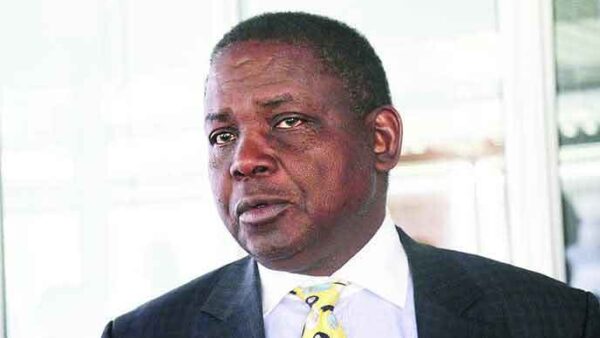
Addressing delegates, Agriculture, Mechanisation and Water Resources Development Minister Anxious Masuka said the country must strengthen its capacity to produce sufficient food, improve nutrition and build resilient agricultural value chains amid growing geopolitical tensions, macroeconomic disruptions and global uncertainties.
“We must move beyond food security to ensure food sovereignty. As we grow food, we must also ensure that we focus on more nutritious food, which is why we must look at traditional grains and biofortified foods,” he said.
Dr Masuka said the ministry’s mandate extended beyond food production to encompass nutrition, livelihood improvement and agriculture-led economic growth, describing agriculture as the anchor of the national economy.
“When agriculture does well, the economy does well. Agriculture is the multiplier effect on the rest of the economy, which is why it is the anchor sector and primary driver of the catalytic growth we want to see across other sectors,” he said.
He cited the sector’s 27,9 percent growth and contribution of 2,2 percentage points to the country’s overall 8,3 percent GDP growth recorded in the previous year.
He said the Government was working to transform Pfumvudza beneficiaries from subsistence producers into commercially active agricultural participants through increased production and productivity.
This will enable households to generate marketable surpluses, improve incomes and participate meaningfully in the mainstream economy.
“I look forward to a day when each of the 35 000 villages has a viable business entity registered under the Companies and Other Business Entities Act, with the potential to generate at least US$50 per household per month,” he said.
Dr Masuka said the transformation agenda was anchored on five principles under the Agriculture, Food Systems and Rural Transformation Strategy, namely agriculture as a business irrespective of scale, climate-smart agriculture, value-chain development, an integrated ecosystem approach and positioning Zimbabwe as an agro-industrial hub by 2030.
On climate resilience, he called for accelerated dam construction and irrigation development alongside conservation agriculture at household level.
“Climate change is real. Zimbabwe is predicted to become drier in the decades ahead. Increasingly, we must be climate-smart,” he said.
He said farmers must move beyond producing raw commodities and embrace value addition to retain more economic benefits from their agricultural efforts.
“Far too often, we produce raw materials for others to make profits from our efforts. Every farmer must increasingly adopt a value-chain approach so that we generate more and retain more of the value we create,” he said.
Dr Masuka said the establishment of viable village business units, completion of strategic infrastructure projects and efficient utilisation of public resources were critical to achieving rural transformation.
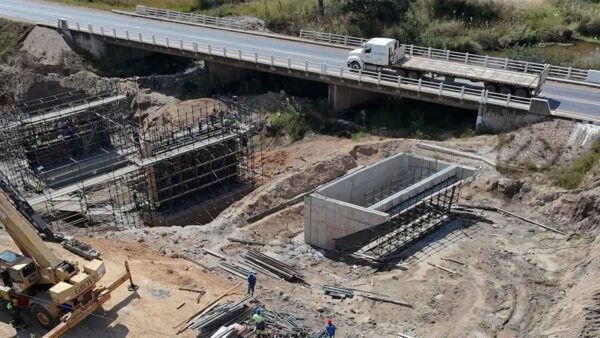
On water infrastructure, he said the Ministry was implementing 12 strategic dam projects.
“The dam is not the project. It is what the water is intended to do. There should be greater investment in irrigation and rural economic activities,” he said.
The retreat brings together the Ministry’s departmental heads, representatives of parastatals and State-owned enterprises, Members of Parliament from the Matabeleland provinces, development partners and private sector stakeholders.
The five-day meeting is reviewing the Ministry’s 2026 performance and shaping its strategic priorities, annual work plans and performance targets for 2027.