admin
admin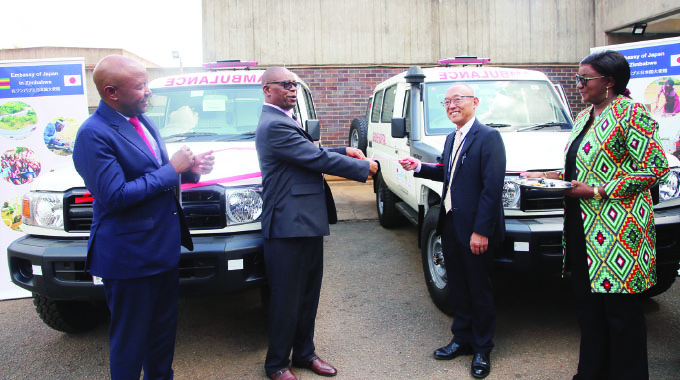
Rumbidzayi Zinyuke Senior Health Reporter
EVERY district in the country is being supplied with a fleet of at least three reliable ambulances by Government to strengthen the referral system and reduce health inequalities by ensuring that everyone can access emergency medical services in line with implementation of the spirit of leaving no place and no one behind.
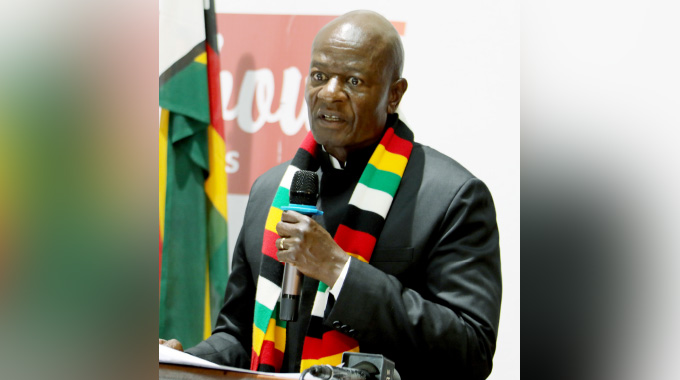
Health and Child Care Minister Dr Douglas Mombeshora yesterday said the Government had a concrete plan to ensure efficient and effective ambulance management services.
Zimbabwe has plans to acquire at least 200 surface ambulances which will be distributed according to the pressing needs and on an equity basis. This year, 40 ambulances have already been purchased and more are expected to be delivered.
Speaking after taking delivery of two ambulances from the Government of Japan, Minister Mombeshora said partnerships with development partners would help the country achieve its targets.
“These ambulances will go a long way in strengthening the Ministry’s emergency care. The majority of the road traffic accident and maternity deaths are largely due to late medical response. An increase in the national ambulance fleet will lead to a reduction of these cases. The Ministry targets that each district has at least three reliable ambulances. We are working hard to achieve this target through concerted efforts by the Government and its partners,” he said.
The two vehicles, which will be deployed to Mbire and Guruve districts, are part of the Prevention of Covid-19 infection among vulnerable women and girls project being implemented in drought-affected districts by United Nations Women. The project is funded by the Japanese Government.
Japan’s Ambassador to Zimbabwe, Mr Satoshi Tanaka, said the provision of ambulances was an additional component, over and above the original project scope.
He said the project successfully made the people, especially the women and girls of Guruve and Mbire, more resilient to future outbreaks of disease.
“And these ambulances we are handing over today will have an even greater impact. They will allow members of the community who are critically sick or injured to receive emergency medical attention quickly. They will also allow expectant mothers to rush to hospital and receive the necessary care. Often, the availability of an ambulance means the difference between life and death,” he said.
Ambassador Tanaka said the ambulances would ensure that people got medical attention within the one hour vital for critically injured people to receive emergency care and save lives.
“Because these vehicles are four-wheel-drive, they can go to remote areas. This is all the more important since many communities in Guruve and Mbire are in areas only reachable by poor roads,” he added.
UN Women country representative Ms Fatou Aminata Lo said the ambulances would help to save many lives, particularly women and girls.
“These ambulances mean a lot by way of preventing maternal mortality and supporting women at the community level. In rural communities, time is precious and having the ability to reach a clinic for the pregnant woman can be a matter of life and death. We therefore believe that this will contribute to reducing maternal mortality and even beyond that, in improving health outcomes in those areas,” she said.


 Online Reporter