Online Reporter
Nqobile Bhebhe
Zimpapers Business Hub
THE Government will continue to invest in sustainable infrastructure development to bridge financing gaps, enhance resilience, and promote inclusive growth, Transport and Infrastructural Development Minister Felix Mhona has said.
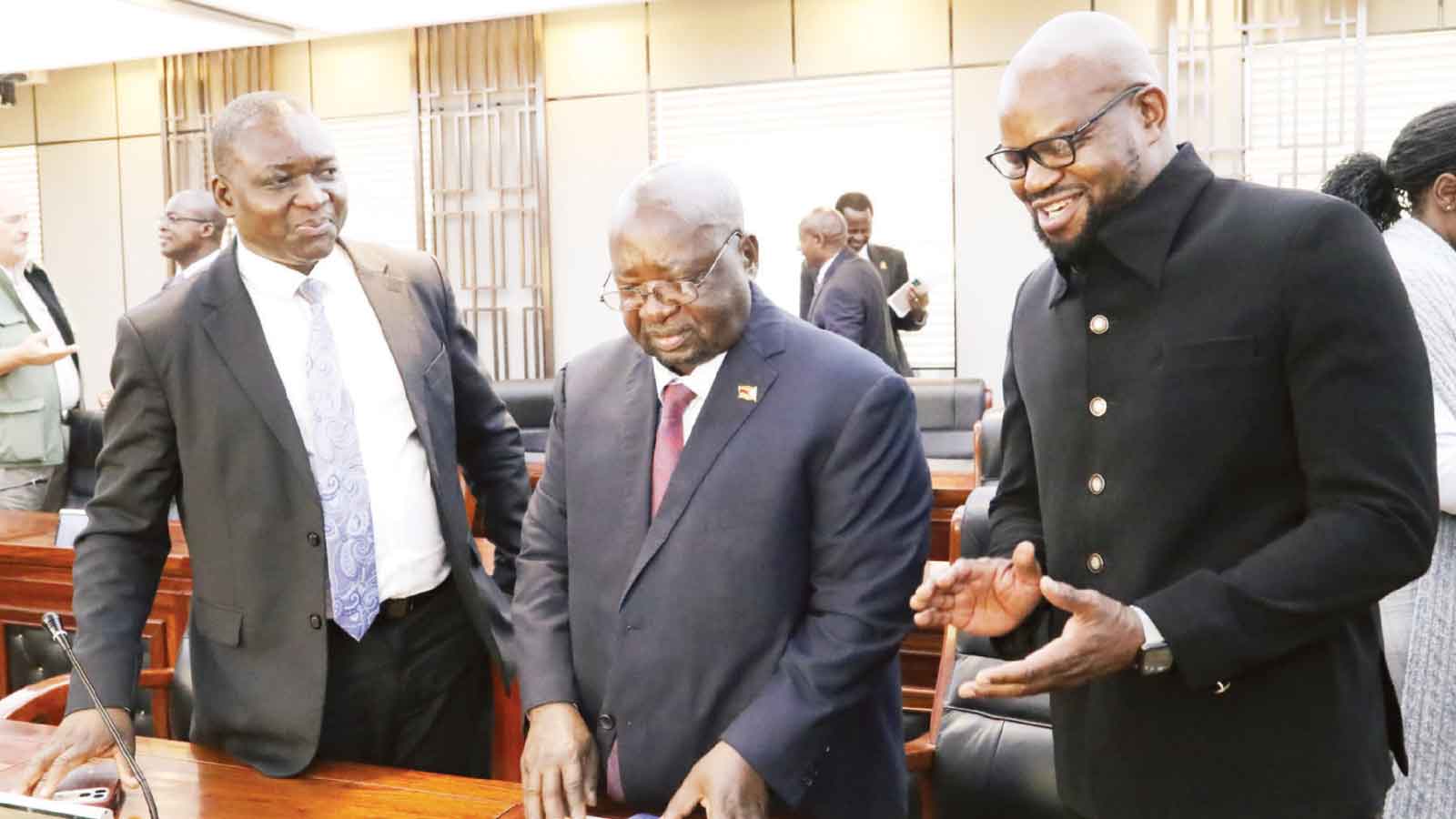
Minister Mhona made the remarks while addressing delegates at the third edition of the 2025 Africa Infrastructure and Built Environment Conference in Bulawayo yesterday, running under the theme “Smart Moves: Powering Zimbabwe’s Infrastructure Revolution.”
Billed as the country’s largest gathering for the construction and infrastructure value chain, the conference and exhibition (Confex) bring together policymakers, investors, engineers, architects and suppliers to explore opportunities for collaboration and growth.
The first two editions of AfriConfex successfully established the event as a premier platform for knowledge exchange, business expansion, networking and learning while offering practical engagement for participants eager to stay ahead of regional and global trends
Minister Mhona said infrastructure remained the backbone of sustainable development and a catalyst for economic growth.
“Infrastructure is a key ingredient for sustainable development. All countries need efficient transport, housing, sanitation, energy and communications systems to prosper and provide a decent standard of living for their populations,” he said.
“On the other hand, insufficient or poor infrastructure limits citizens’ access to markets, as well as livelihood opportunities and services such as clean water, education, health, transport and communication. Overall, poor infrastructure can slow economic growth and increase poverty and inequality.”
Minister Mhona underscored that infrastructure development was essential for poverty alleviation and job creation, particularly in developing countries like Zimbabwe.
“It is apparent that infrastructure development is a prerequisite for poverty alleviation and employment creation in developing countries such as Zimbabwe.
“Well-developed infrastructure ensures better living conditions for the general population, and improves the competitiveness of private businesses,” he said.
“In addition to the output and productivity effects, infrastructure investment directly and indirectly creates more jobs than other types of investments.”
The minister noted that Zimbabwe’s infrastructure sector had for years been affected by multiple challenges, including a lack of coordination, inadequate funding, and skills flight.
“For far too long, the performance of our infrastructural sector in Zimbabwe had declined due to many factors including lack of an integrated approach in infrastructure investment planning, inadequate funding for maintenance and rehabilitation, low investment in infrastructure from both public and private sector, inadequate funding for capital and operating expenditure, capacity constraints due to migration of skilled personnel, procurement delays and poor contract management,” he said.
However, Minister Mhona said the Government had taken decisive action to reverse the decline under the visionary leadership of President Mnangagwa.
“To turn the tide, corrective measures were instituted under the visionary leadership of His Excellency, the President of the Republic of Zimbabwe, Cde Dr ED Mnangagwa, when Zimbabwe launched a new development trajectory of achieving an Upper Middle-Income Society by 2030 to empower its citizens,” he said.
“Vision 2030, currently implemented within the framework of our seminal economic blueprint, National Development Strategy 1, which shall continue as NDS 2 in a few months to come, recognises that efficient infrastructure delivery will be key in the realisation of National Priorities and overall socio-economic development.”
“Thus, the country targets the restoration of basic infrastructure services such as roads, energy, transport, water and sanitation, technology and housing,” said the minister.
Minister Mhona said overcoming infrastructure deficits remained a “daunting but not insurmountable challenge,” which required collective and innovative approaches.
“It requires a comprehensive strategy that combines innovative financing, strategic partnerships, technology adoption and community engagement,” he said.
“By addressing these deficits, we unlock the immense potential of communities, fostering economic growth, improving quality, and ensuring a sustainable future.”
He called for collective participation from all sectors to achieve a robust and inclusive infrastructure transformation.