admin
admin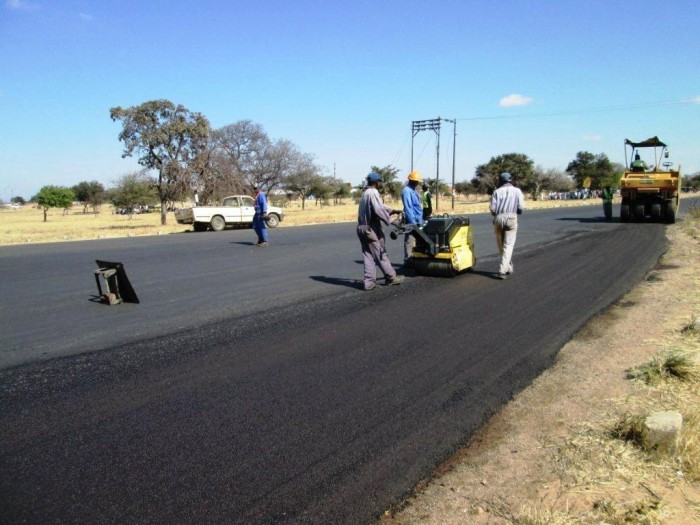
Walter Nyamukondiwa in GACHE GACHE—
Government is mobilising resources for the second phase of the Emergency State Roads Rehabilitation Programme expected to cost $60 million. Under this phase, roads will be resealed and bridges reconstructed. The first phase covered restoration of areas cut off by Cyclone Dineo-induced floods. Over 80 percent of emergency works were covered in the first phase, with national technical committees monitoring progress countrywide.
Related……..
- Zinara pays SA tycoon $300k monthly
- Parly raps Zinara partners on toll cards
- Manyenyeni raps Zinara
- Roads set for major facelift
- Motorists face new road fee
- Govt surpasses Zim-Asset road rehab target
- MPs told to pay toll fees
- Harare roads declared a state of disaster
- Bye-bye to potholes . . . city mulls concrete roads
- Editorial Comment: Govt’s pothole intervention laudable
- Govt vehicles must pay toll fees — Parly
- Concrete way out for Zim roads
- Zim road rehab to chew $2,2bn
- Poor funding stalls road rehab
- Toll fees inadequate for roads rehab: Govt
- DDF needs $4m for roads
- Zinara suffers $50 million prejudice
- Zinara avails $1,7m for Harare roads
- Council to partner Chinese firm in road deal
- Floods declared state of disaster
The first phase started in March and was expected to cover a 60-day period. Rains affected progress.
The second phase will cover outstanding repair works on infrastructure like bridges. In an interview during a tour of projects in Sanyati and Kariba districts, National Technical Committee member Engineer Goodwell Mapako said work was progressing well.
“We have carried out works in the first phase which includes emergency road works and restoration of accessibility to areas cut off by incessant rains. We are now preparing for the second phase which includes repair of collapsed structures, opening up of blocked mitre drains and culverts. This also includes preventive maintenance works and repair of outstanding structures,” said Eng Mapako.
President Mugabe declared the country’s roads a national disaster, paving way for the mobilisation of funds for emergency works. The two phases were estimated to cost around $100 million.
“We are happy that we have done quite a lot in terms of restoring trafficability, connecting those areas that were no longer accessible and improving the movement of traffic on our roads,” said Eng Mapako.
“A lot of areas have been covered and we are now in the finishing stages of phase one. We are looking at phase two of the programme.”
Eng Mapako said there was need for massive capitalisation of road authorities including DDF, the Department of Roads, rural and urban local authorities.
DDF Mashonaland West provincial coordinator Mr Erikana Chikande said: “A lot of areas that were affected by rains have been worked on to ensure movement of traffic but we need more money to ensure that structures such as Ume, Marembera and Musukwe bridges that were swept away a long time ago are repaired,” said Mr Chikande.
He said $6 million was required for regravelling damaged rural roads and bridge repairs.


 Online Reporter