Chronicle Editor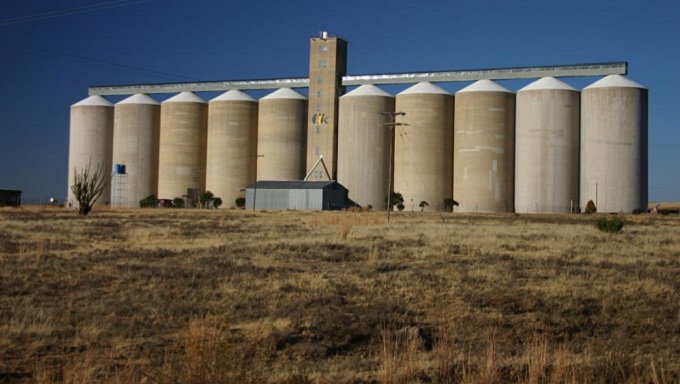
Auxilia Katongomara, Chronicle Reporter
LEGISLATORS have said money allocated for the importation of maize to boost the strategic grain reserve must be channelled towards other capital projects because the country has enough stocks to feed the nation in 2019.
In the 2019 National Budget, the Ministry of Lands, Agriculture, Water, Climate and Rural Resettlement got an allocation of $989 million from the Consolidated Fund and a further $31 million is expected from the Retention Fund, which brings the total available resources appropriated to the Ministry at over $1 billion.
In its budgetary allocation analysis the portfolio committee on lands, agriculture, and rural resettlement said the $235 million set aside for grain reserves could be used for other projects.
“The Committee notes that about $235 million has been set aside for the Strategic Grain Reserve of GMB to procure about 500 000 tonnes of maize in the 2019 season. However, currently there are more than adequate maize stocks to perform the Strategic Grain Reserve Function. These are some resources which can be moved to more deserving programmes, especially those that have not been adequately funded,” reads the report.
The committee said the amount allocated to the Ministry of Lands, Agriculture and Rural Resettlement is second after the Ministry of Primary and Secondary Education vote.
Last week, Secretary for Lands, Agriculture, Water, Climate and Rural Resettlement, Mr Ringson Chitsiko told the Parliamentary Portfolio Committee on Peace and Security that the country has enough grain reserves to feed the nation for nine months,
Mr Chitsiko said as at December 3, the country’s maize stocks stood at 1 179 756 tonnes and small grains amounted to 135 935 tonnes. The country also had 119 794 tonnes of wheat as of two weeks ago.
“For the past two seasons, Zimbabwe has not imported any major grains such as maize. We have 1 179 156 tonnes of maize, which is twice our mandatory Strategic Grain Reserve of 500 000 tonnes. The nation is comfortable since the surplus is enough to see us through nine months. This means the supply of the staple diet in the country is out of danger,” Mr Chitsiko told the parliamentary committee.
“It is important that if we do not work around the El Nino-induced drought, the glory can vanish. We are working on measures to adapt to the potential effects of El Nino.”
Mr Chitsiko said the El Nino phenomenon was usually associated with prolonged droughts or mid-season droughts and floods but in Zimbabwe past El Nino seasons have led to droughts that have resulted in crop failure, livestock and wildlife deaths.
— @AuxiliaK



 derick.khumalo