

 Online Reporter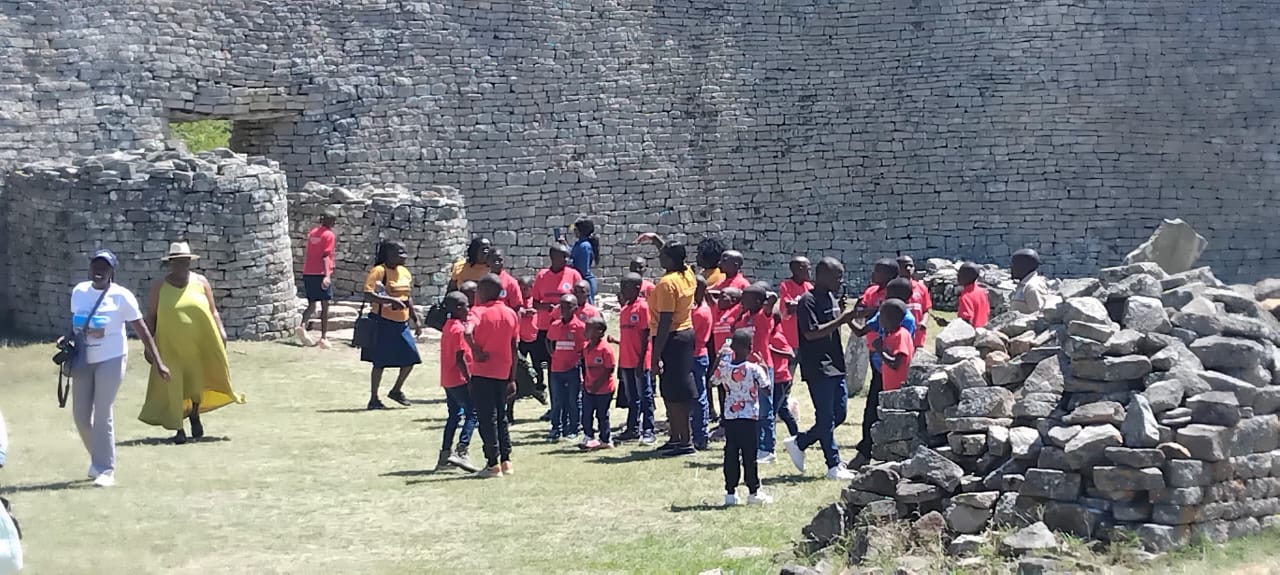
Nqobile Bhebhe in Masvingo
Hordes of local and foreign tourists on Saturday thronged the Great Zimbabwe National Monument in Masvingo, turning the ancient stone city into one of the major attractions during the ongoing Sanganai/Hlanganani/Dzimbahwe World Tourism Expo.
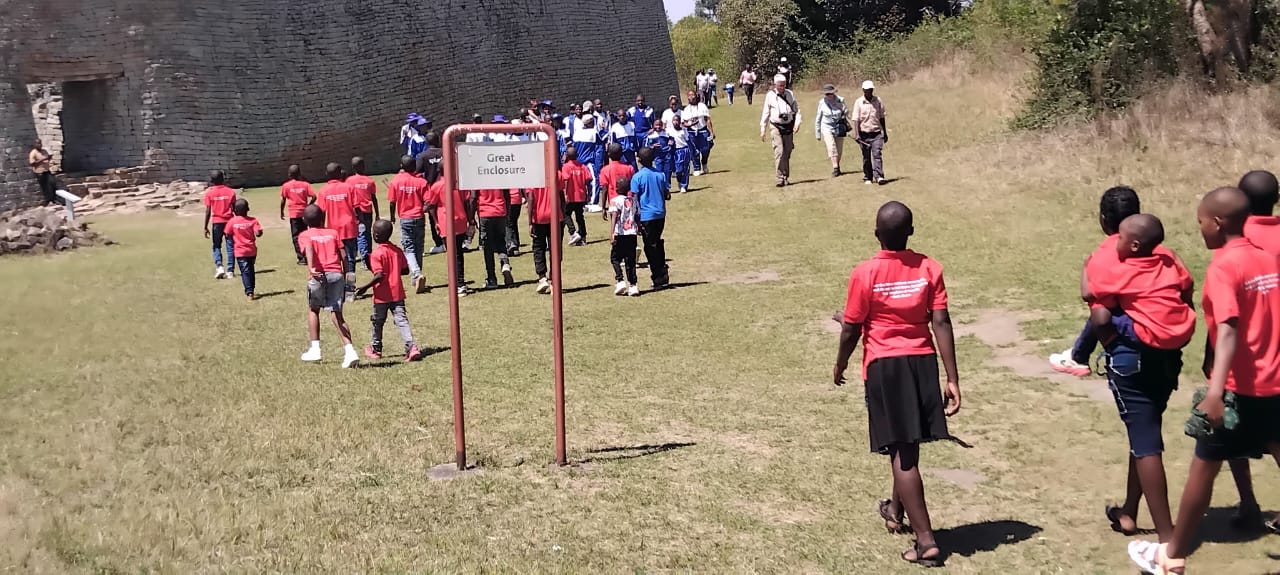
The monument has been particularly busy with Sanganai participants, including international buyers, exhibitors, media practitioners and tourism industry players who have taken time away from the expo to experience one of Zimbabwe’s most important heritage sites.
The influx has provided a vivid demonstration of the potential of domestic tourism to drive activity across the wider tourism value chain, with visitors spending on transport, accommodation, food, crafts and other services.
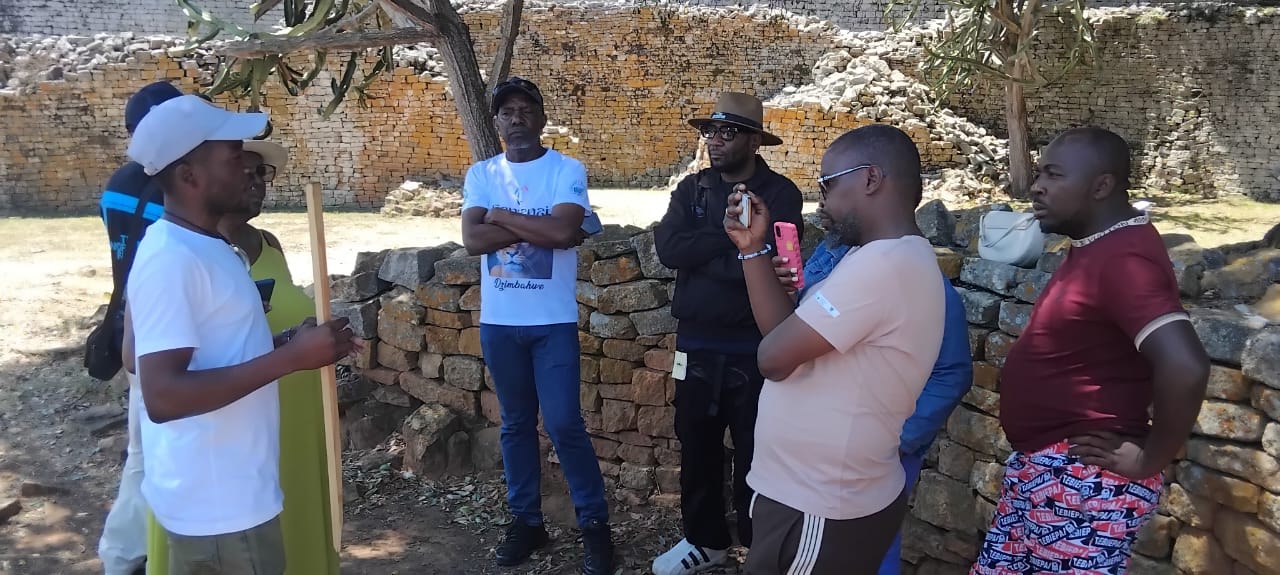
For many local visitors, the Sanganai programme has also created an opportunity to rediscover a destination that is often associated more with international tourists than Zimbabweans themselves.
Pupils from several schools are also touring the monument which is part of Study Tourism Cluster.
The Great Zimbabwe ruins, a UNESCO World Heritage Site, remain a powerful symbol of the country’s history and civilisation, with the massive stone walls and conical tower offering visitors a glimpse into the architectural and cultural achievements of ancient communities.
The increased footfall comes as Zimbabwe seeks to grow domestic tourism as a key pillar of the sector, reducing over-reliance on international arrivals while encouraging Zimbabweans to explore and spend within their own country.
Beyond the monument, visitors have also been exploring the province’s broader attractions, including Lake Mutirikwi and Gonarezhou National Park, reinforcing Masvingo’s potential as a multi-product tourism destination.
The Sanganai-induced traffic therefore offers a practical illustration of how domestic and international tourism can complement each other, generating income for communities while showcasing Zimbabwe’s heritage and natural attractions to the world.
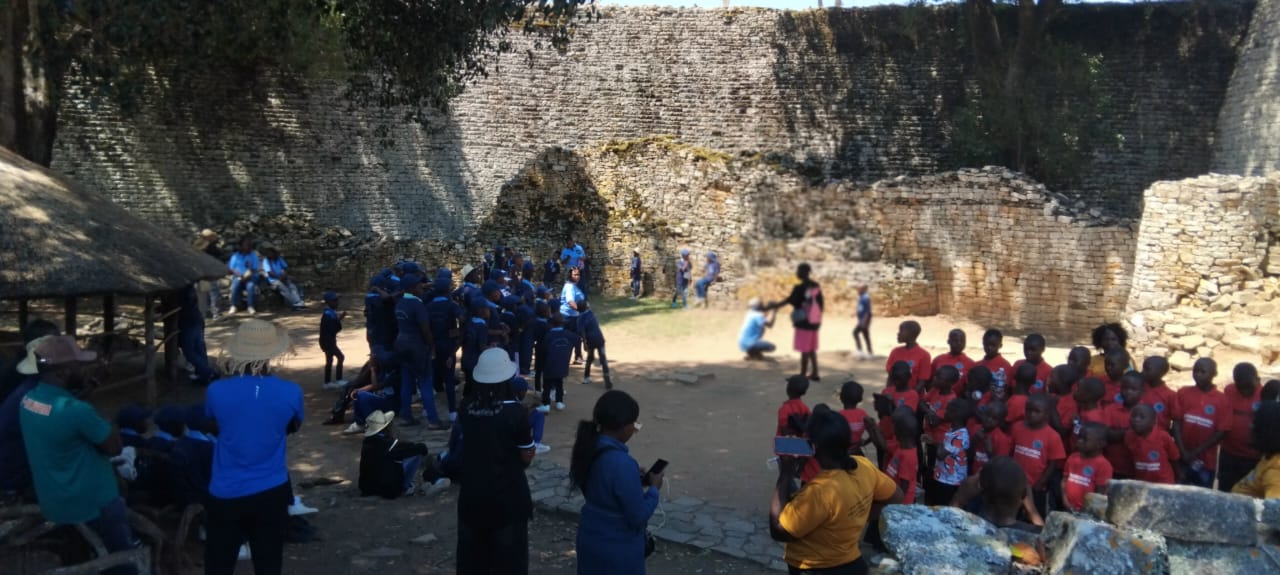
As Zimbabwe continues positioning tourism as a major contributor to economic growth, the scenes at Great Zimbabwe demonstrate that unlocking the domestic market could provide a significant and sustainable source of demand for the industry.


