Online Reporter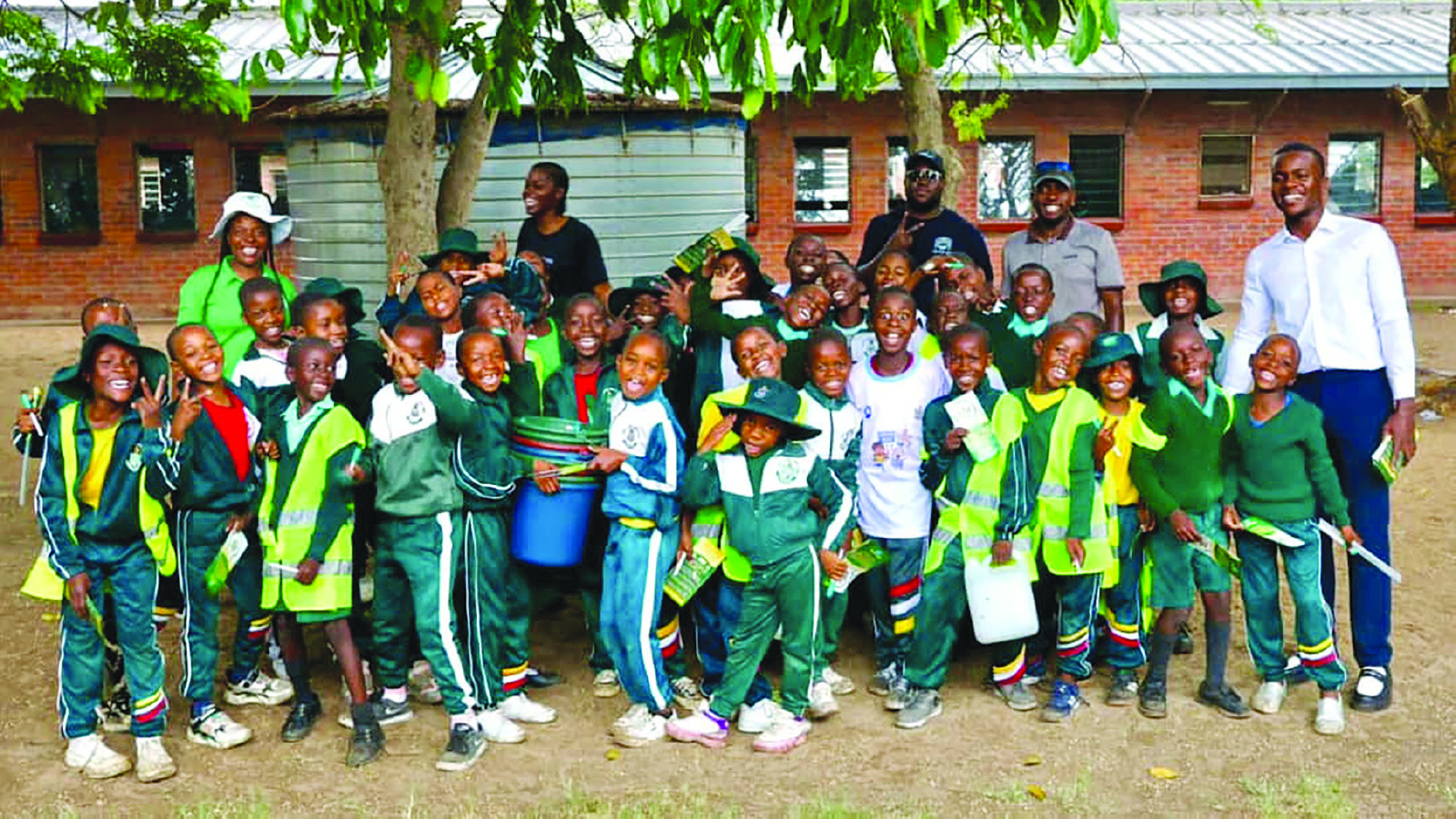
Obey Musiwa
Youth Interactive Writer
GREEN the Ghetto movement, sponsored by Zimworx, has launched its Mabvuku Chapter at Tafara 5 Council Primary School, marking the third high-density suburb to host a Green Hub.
Pupils planted fruit trees as part of the “Fruit in Schools” programme, linking climate action with nutrition and community empowerment.
The initiative, which began as the Greening Kuwadzana Project in 2020, has grown into a nationwide campaign to establish Green Hubs in every high-density suburb by 2028.
With Mabvuku now joining Kuwadzana and Hatcliffe, the grassroots movement is positioning itself as a continental force for climate action by 2030, while aligning with global awareness efforts during the Global Action Month.
Speaking to Zimpapers, Green the Ghetto founder Mr Tafadzwa Gwini said the movement is a grassroots effort to green urban spaces, fight malnutrition, and build climate awareness among children.
“Mabvuku’s launch is part of a broader plan to expand across Zimbabwe and Africa. Our “Fruit in Schools” programme not only increases tree coverage but also tackles malnutrition and hunger,”said Mr Gwini.
He emphasised that by 2028, the movement aims to have Green Hubs in every high-density suburb.
“And by 2030, Green the Ghetto should be a continental movement.”
Ministry of Environment, Climate and Wildlife Deputy Director of Communication and Advocacy Ms Joyce Chapungu emphasised the role of children and communities in planting trees to fight climate change saying it improve nutrition, and strengthen partnerships for sustainable development.
“If every person plants at least one tree each year, we will manage our environment better and enhance food security.”
“Trees act as carbon sinks, trapping greenhouse gases and giving us clean air — this is why we encourage fruit tree planting in schools and communities,”said Ms Chapungu
In his sentiment, Tafara 5 Council Primary School Headmaster Fananidzo Muchemwa said the initiative empowers children to see environmental stewardship as part of their daily lives.
“This extends lessons from school to their families as fruit trees also bring long-term health and economic benefits. Fruit trees like mangoes and oranges are low-hanging fruits that can quickly bring both nutrition and income to the school,”he said.