Online Reporter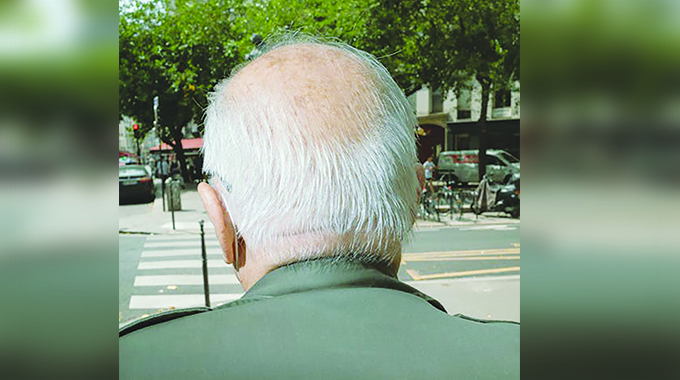
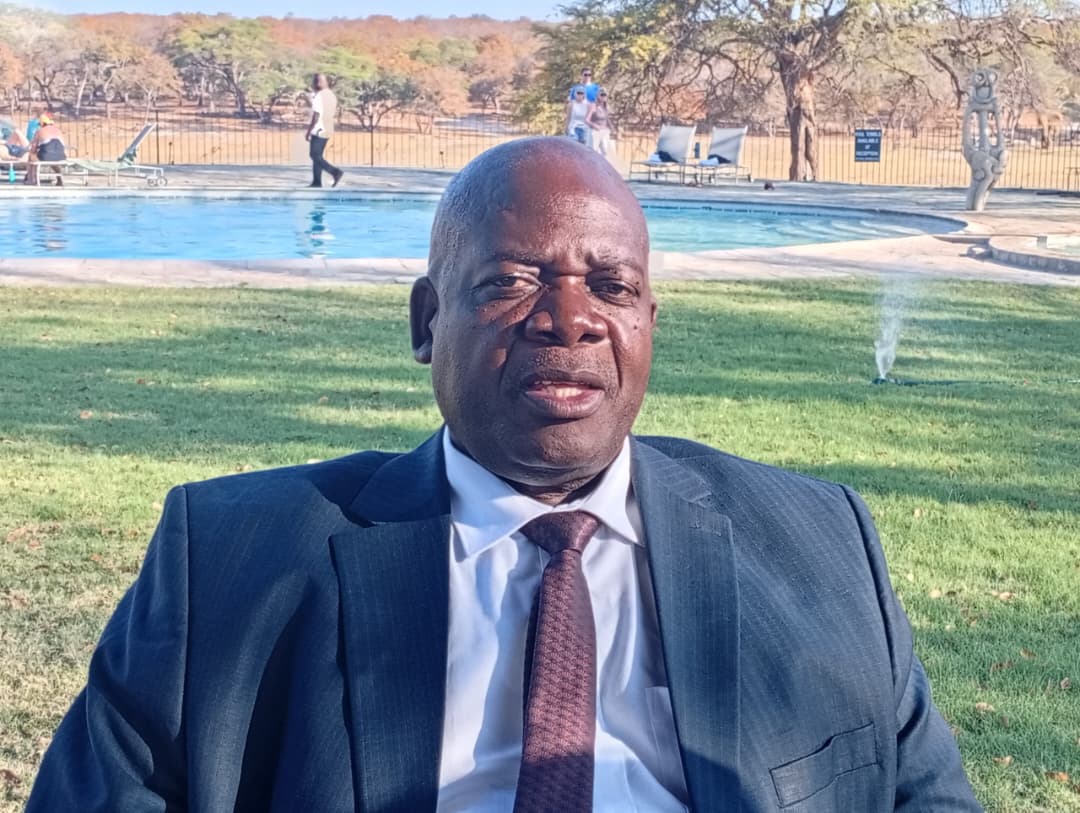
Cuthbert Mavheko, Features Correspondent
AS far as modern society is concerned, when people wear out, or get old, they have outlived their usefulness and should be relegated to the margins of society. What modern society seems completely oblivious of is that elderly people are not moribund humans as such; they still have a significant role to play in the development of a nation.
According to one psychiatrist, “Elderly people have a wealth of wisdom, knowledge and experience that they can pass on to the younger generation. But their valuable wisdom, knowledge and experience will not be conveyed to the younger generation if, for instance, at the age of 65 or 70 years, they are ejected from society and sent to old people’s homes to spend their last days there.
The marginalisation of elderly people has adverse ramifications on their well-being. Most of them feel left out, alienated and find themselves struggling against feelings of uselessness, anxiety, loneliness, depression and fear.”
It is essential to understand that when the Eternal God thundered the Ten Commandments from the top of Mount Sinai, one of the commandments that He gave ancient Israel says: “Honour your father and your mother . . . (Exodus 20 verse 12). The word “honour” denotes high respect, a feeling of high esteem and reverence for, not only one’s biological parents, but all elderly people. Respect is something that every human being needs, and elderly people are no exception. The Holy Bible admonishes young people how elderly people are to be respected. Leviticus 19 verse 32 says: “You shall rise before the grey-headed and honour the presence of an old man . . .” Proverbs 23 verse 22 says: “Listen to your father who begets you. And do not despise your mother when she is old.” These Scriptures state quite clearly that elderly people deserve to be honoured and respected. This honour and respect expresses itself in courtesy, thoughtfulness and kind deeds. In the golden past, life followed a fairly predictable pattern. As youths, we honoured and respected elderly people.
However, to the everlasting shame of our professing Christian society, nowadays most youths in the country do not have any respect for elderly people. They treat them as virtual nonentities. This is one of the greatest tragedies of our time.
This brings to mind an unsavoury incident that occurred at a bank in Bulawayo a couple of years ago. On June 13, 2023, hundreds of elderly Nssa pensioners queued at the bank for their monthly pension payments. Around 8AM, as the bank was about to be opened, a group of young civil servants arrived at the bank, blocked the entrance and demanded to be served first. Seeing the elderly pensioners, some of whom used crutches to support their frail bodies, being shoved violently away from the bank’s entrance by the rowdy individuals was, for me, a heart-rending and most upsetting experience. The bank manager tried to pacify the riotous individuals, but to no avail. The Military Police and the Zimbabwe Republic Police had to be called in to restore order at the bank.
It’s really saddening to note that despite their significant contributions to society, many elderly people, especially in developing countries, are facing discrimination and neglect.
Psychologists say the abuse or marginalisation of older people has adverse ramifications on their physical and mental well-being, social interactions and overall quality of life. Since modern society views elderly people in a patronising way, they (older people) are being cut off as a source of knowledge. Their self-image is maligned, even though some young people pay lip service to them.
At the very time in their lives when they are most experienced and knowledgeable, many older people feel as though these experiences do not count. They feel misunderstood, unwanted and unloved. It’s like getting old is a crime.
One doctor specialising in medical care for the elderly once said: “Elderly people also need to be listened to. They should share their ideas, thoughts and opinions with the younger generation. One has to be able to recognise that these are people who continue to have hopes, dreams, desires and who still want to be useful to people around them. However, due to physical, financial, emotional, sexual and social abuse, a melancholic mood has gripped most elderly people. Life has become monotonous to them. They have become depressed and most of them now isolate themselves from social contact. This depression and isolation escalates their physical ageing. All this reconfirms the age-old myth that “old age is hopeless”. In these hectic modern times, old age is often viewed as a downhill struggle, filled with memories of the past — a time when the future heralds little except the certainty of death.
The younger generation tends to look upon itself as elevated to a plane of rational thinking and with knowledge and intelligence higher than the older generation. However, psychological tests prove that older people are no less intelligent than younger people. An older person, however, processes information differently, tying it to experience rather than memorising facts as a younger person commonly does. The elderly generally learn at a slower rate because they sort out information differently, fitting it into the context of their own lives. As they possess such a degree of accumulated experience, older persons have a broad base of understanding and wisdom on which to place new information. The elderly are a great intellectual resource, but they are not being tapped to their full potential. Their wealth of knowledge is often wasted by a generation too busy to stop and listen to them. Aged people have more than just experience to share. They have ideas, talents and skills to offer. Our societies should put an end to the prejudice of ageism, stop believing myths about old people and, instead, start concentrating on their potential.”
One painful observation that I have personally made is that old age is often marked by years of frustration, disillusionment, disorientation and loneliness. Some psychologists call this the old-age crisis. Although old age may sometimes be a difficult time, it need not be a totally negative experience, especially if you understand that growing old is not a curse, but a natural process which affects every living thing. This calls for elderly people to age with grace. They should not allow any form of abuse — financial or otherwise — that they experience in this corrupt, sin-filled world to make them feel worthless. Instead, they should view growing old as a natural process that brings experience that leads to deeper maturity and wisdom. In youth, we learn; but in old age we understand. Years mellow and soften us. The trials and tribulations of life teach us patience, deepen our capacity to feel the hurts of others and broaden our ability to love and to care for others.
Hardships are part of the learning process and we should use them as anecdotes to help the younger generation learn life’s vital lessons. Old age is, in fact, the crowning culmination of life — it should not only be looked upon with honour and respect, but should be a time made pleasant by the warm attention and support of our friends, neighbours and family members, especially our children and grandchildren.
There’s unanimity of opinion among some psychologists that solving the problem of elderly abuse must begin with a change of attitude by the younger generation. This, in my own considered opinion, is wise counsel. Young people should re-evaluate their thoughts and theories about ageism and give respect and honour to those who have lived long lives and gained valuable experience. This change of attitude will help young people to begin to show genuine respect and honour to elderly people. In doing so, they will understand better how to prepare for the normal course of their own ageing.
It is important to remind our elderly compatriots that although ageing may bring hardships, our knowledge and experiences as elderly people are treasures that the world still needs. We have a moral and spiritual responsibility to let the valuable lessons of our lives positively influence those around us — our children and grandchildren, nephews and nieces, friends and neighbours. It is no hidden secret that most of us have gone through the “school of hard knocks”. By experience, we have learned valuable lessons about handling life’s difficult moments, as well as its rewarding moments. We should take time to share our wisdom with younger people and allow them to learn from our past experiences and knowledge. “Experience is the best teacher”, goes an old English adage. I rest my pen.
Cuthbert Mavheko is a freelance writer and theologian. He can be contacted on 0773963448 /0775522095. Email — [email protected]


 Blessing Chizhande